
Published on: 2026-01-31 | Written by: Dr. Ahmed Rashid, Cardiologist Vascular Specialist
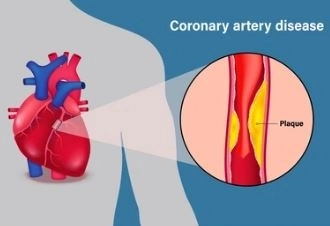
Arterial diseases are among the most serious health conditions affecting the heart and the body as a whole, due to their essential role in delivering oxygen-rich blood to all organs. If not diagnosed and treated early, arterial diseases can lead to life-threatening complications such as heart attacks and strokes.
Dr. Ahmed Rashid emphasizes that early detection and regular follow-up are the cornerstone of preventing complications related to arterial diseases.
Arterial diseases refer to a group of conditions that affect the arteries responsible for carrying blood from the heart to the rest of the body. They usually occur due to:
Accumulation of fats and cholesterol
Hardening of arterial walls
Reduced blood flow
Dr. Ahmed Rashid points out that the most common form is coronary artery disease, which directly affects the heart muscle.
Arterial diseases include several types, such as:
Coronary artery disease: Affects the arteries supplying the heart
Peripheral artery disease: Affects the legs and arms
Cerebral artery disease: May lead to strokes
Arterial aneurysms: Result from weakness in the arterial wall
Dr. Ahmed Rashid confirms that identifying the specific type of arterial disease helps determine the most appropriate treatment plan.
The causes of arterial diseases vary and include:
High cholesterol levels
High blood pressure
Diabetes
Smoking
Obesity and physical inactivity
Chronic stress
Genetic factors
Dr. Ahmed Rashid stresses that an unhealthy lifestyle is the main contributor to the development of arterial diseases in most patients.
Symptoms differ depending on the affected artery and may include:
Chest pain (angina)
Shortness of breath
Leg pain during walking
Numbness or coldness in the limbs
Dizziness or loss of balance
General fatigue
Dr. Ahmed Rashid warns that some cases may be asymptomatic in the early stages, making regular checkups essential.
Diagnosing arterial diseases relies on several methods, including:
Clinical examination
Blood tests
Electrocardiogram (ECG)
Echocardiography
CT scans
Diagnostic cardiac catheterization
Dr. Ahmed Rashid confirms that accurate diagnosis is the most important step in choosing the proper treatment and preventing disease progression.
Treatment depends on the severity of the condition and may include:
Cholesterol-lowering medications
Blood thinners
Blood pressure medications
Diabetes control drugs
Widening narrowed arteries
Stent placement
Improving blood flow
In advanced cases that do not respond to medication or catheter-based treatments.
Dr. Ahmed Rashid explains that selecting the appropriate treatment method depends on the patient’s overall condition and the degree of arterial blockage.
To prevent arterial diseases, it is recommended to:
Follow a healthy diet
Exercise regularly
Quit smoking
Control blood pressure and blood sugar levels
Reduce stress
Maintain regular follow-up with a cardiologist
Dr. Ahmed Rashid emphasizes that prevention is the first line of defense against arterial diseases and their complications.
Arterial diseases become particularly dangerous in the following situations:
Severe arterial blockage
Occurrence of a heart attack
Weakening of the heart muscle
Stroke
In such cases, Dr. Ahmed Rashid stresses the importance of immediate medical intervention to save the patient’s life.