
Published on: 2026-01-21 | Written by: Dr. Huda Basyouni, Consultant in Obstetrics
Before starting any steps for IVF or ICSI, Dr. Hoda Basyouni emphasizes the necessity of a precise diagnosis for both partners, including fertility assessment in women and men, to determine the most suitable treatment approach and increase the chances of a successful pregnancy.
There are several techniques in infertility treatment, such as ICSI and conventional IVF. Dr. Hoda Basyouni stresses that selecting the right technique depends on multiple factors, including the woman’s age, the quality of eggs and sperm, and previous pregnancy history, to ensure the best possible outcomes.
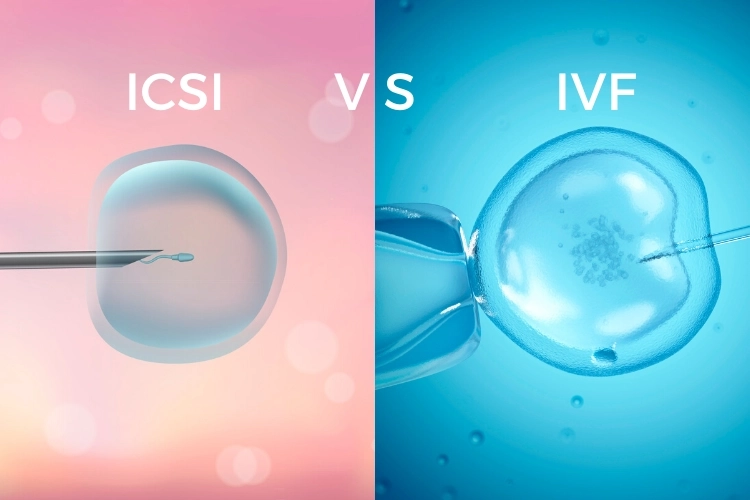
Dr. Hoda Basyouni explains that ICSI involves retrieving eggs from the woman and injecting them with sperm in the laboratory, then transferring the resulting embryos into the uterus. In conventional IVF, eggs are fertilized with sperm outside the body, and embryo growth is monitored before transfer. Each step is performed with high precision under specialized medical supervision.
Dr. Hoda Basyouni warns that ongoing monitoring is essential to track hormonal response and egg development, and that follow-up after embryo transfer is critical to ensure pregnancy success and minimize potential complications.
Dr. Hoda Basyouni reassures patients that IVF and ICSI have high success rates when modern protocols are applied, and adherence to medical instructions and a healthy lifestyle increases the likelihood of a successful pregnancy while reducing risks.
Dr. Hoda Basyouni also stresses that emotional and psychological support for couples during IVF and ICSI is an essential part of the treatment plan, helping to reduce stress and improve the chances of pregnancy success.