

Published on: 2026-01-21 | Written by: Dr Mohamed Ibrahim Siraj El-Din Kidney and Urinary
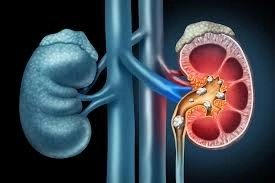
Kidney, ureter, and bladder stones are common medical conditions that may develop silently without clear symptoms in their early stages, making early diagnosis a key factor in successful treatment. Early detection helps accurately determine the size and location of the stone, allowing the selection of the most appropriate treatment method and preventing complications that may affect kidney and urinary tract function.
Symptoms of urinary tract stones may begin mildly, such as burning during urination, changes in urine color, or intermittent lower back pain. Ignoring these signs can lead to worsening of the condition. Seeking medical evaluation at the first appearance of symptoms significantly reduces pain and helps prevent ureteral obstruction or severe infections.
The treatment plan for kidney, ureter, and bladder stones depends on precise diagnostic tools such as imaging studies and laboratory tests. These examinations provide a comprehensive assessment of the condition, enabling the physician to choose the safest and most effective treatment option tailored to each patient.
Significant advances have been made in the treatment of urinary tract stones in recent years. The development of advanced endoscopic procedures and laser technologies has greatly reduced the need for open surgery. These modern techniques minimize pain, shorten recovery time, and allow patients to return to their normal activities more quickly.
Treatment of kidney, ureter, and bladder stones does not stop at stone removal alone; it also focuses on preventing recurrence. Maintaining adequate hydration, adopting a healthy lifestyle, and regular medical follow-up after treatment are essential steps to preserve urinary tract health and reduce the risk of stone recurrence.