
Published on: 2026-01-11 | Written by: DR Vet clinic Since 2012
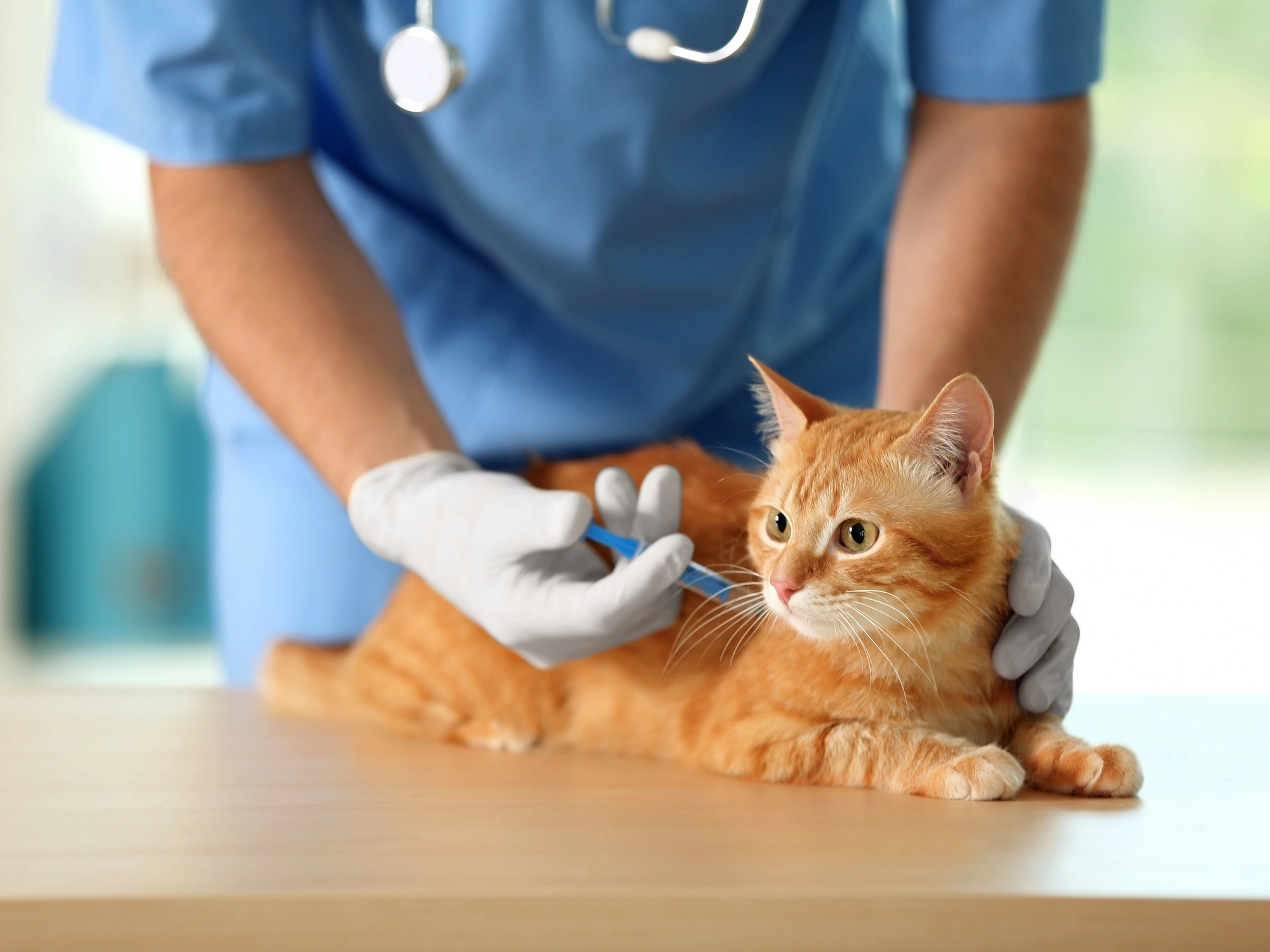
Animal vaccinations are one of the most important health measures to protect pets from serious and contagious diseases, whether dogs, cats, or other animals.
Dr. Mina Dimitry confirms that following a regular vaccination schedule protects animals from infections and significantly strengthens their immune system.
Vaccinations help to:
Prevent infectious and viral diseases such as rabies, distemper, and animal coronavirus.
Strengthen the animal’s immune system against various illnesses.
Protect family members from the transmission of zoonotic diseases.
Dr. Mina Dimitry emphasizes that regular vaccinations are the essential step to maintaining animal health and preventing the spread of diseases in the community.
Rabies
Canine Distemper
Canine Hepatitis
Feline Coronavirus
Leptospirosis in dogs
Dr. Mina Dimitry explains that the veterinarian determines which vaccines are core or non-core based on the animal’s age, lifestyle, and overall health condition.
Vaccinations usually start at 6–8 weeks of age for young animals.
Doses are repeated every 3–4 weeks until the animal reaches 16 weeks of age.
Annual booster doses are given to maintain long-term immunity.
Dr. Mina Dimitry stresses the importance of strictly following the recommended vaccination schedule to avoid weak immunity or disease exposure.
Visit the veterinarian regularly for vaccination follow-ups and routine checkups.
Provide a balanced and species-appropriate diet.
Monitor the animal for any unusual symptoms after vaccination and inform the veterinarian immediately.
Maintain a clean environment to reduce the spread of infections.
Keep a health record to accurately track all vaccinations.