

Published on: 2026-01-10 | Written by: Dr. Mohamed Riad Warda MD in General Surgery
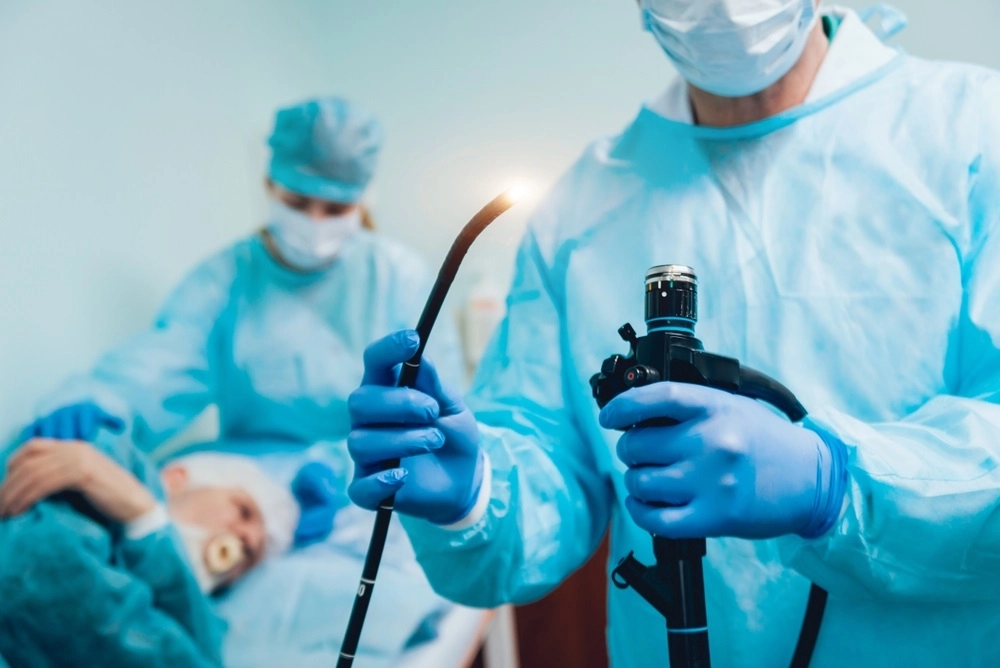
General surgery and laparoscopy have become among the most important medical specialties that help diagnose and treat many conditions safely and effectively.
Dr. Mohamed Riyad Warda emphasizes that advances in laparoscopic surgery have significantly reduced complications and improved surgical outcomes.
General surgery is a medical specialty concerned with diagnosing and treating cases that require surgical intervention, such as problems of the digestive system, blood vessels, thyroid gland, and hernias.
Dr. Mohamed Riyad Warda stresses that general surgery is not limited to traditional operations only but also includes modern techniques that speed up recovery and reduce post-operative pain.
Laparoscopic surgery is a modern surgical method that involves performing operations through small incisions using cameras and precise instruments.
Dr. Mohamed Riyad Warda confirms that this technique provides faster recovery and reduces the risk of infection and blood loss compared to conventional open surgeries.
Faster healing and quicker return to daily activities.
Significant reduction in post-operative pain.
Lower risk of infection and bleeding.
Small and minimally visible surgical scars.
Dr. Mohamed Riyad Warda emphasizes that selecting the right patient and performing proper pre-operative assessments are essential for the success of laparoscopic surgery.
Laparoscopic general surgery is used for many conditions, including:
Gallbladder and bile duct removal.
Hernia repair of various types.
Appendectomy (removal of the appendix).
Certain stomach and intestinal surgeries.
Thyroid surgeries and minor tumor removals.
Dr. Mohamed Riyad Warda confirms that continuous advancements in surgical and laparoscopic tools have made it possible to treat many complex cases without large incisions.
Follow all pre-operative medical tests and assessments carefully.
Adhere strictly to post-operative instructions to ensure fast recovery.
Take prescribed medications regularly to reduce pain and prevent infection.
Maintain a balanced diet and follow exercise guidance after recovery.
Attend regular medical follow-ups to ensure no complications occur.