
Published on: 2026-01-05 | Written by: Dr. Maher Al-Qamhawi, PhD in Orthopedic Surgery
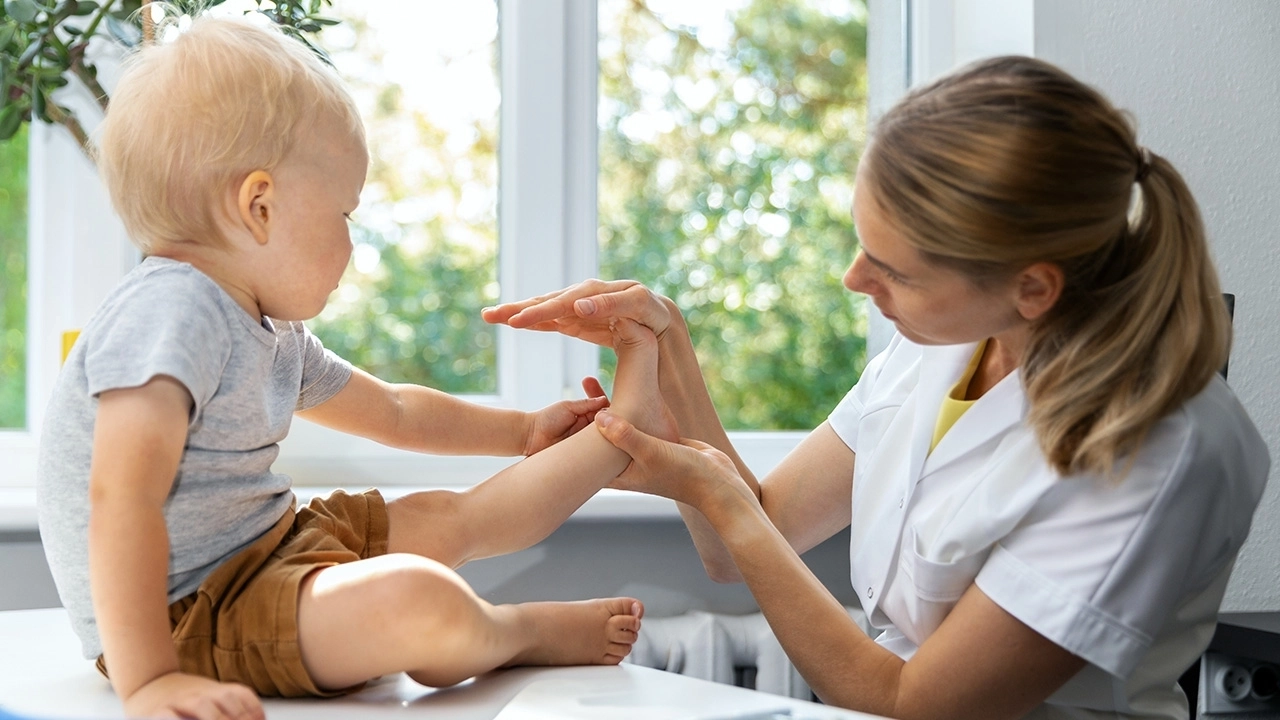
Dr. Maher El-Qamhawi emphasizes that diagnosing and treating bone deformities in children requires precise evaluation to determine the type and severity of the deformity, confirming that early intervention helps successfully correct defects and reduces future complications.
Dr. Maher El-Qamhawi confirms that using the latest surgical and non-surgical techniques to treat bone deformities in children ensures effective and fast results, while taking into account the natural growth of the child.
Dr. Maher El-Qamhawi explains that every case requires a personalized treatment plan based on the type of deformity, the child’s age, and overall health, with continuous follow-up to ensure optimal treatment response.
Dr. Maher El-Qamhawi warns parents that delaying treatment for bone deformities can lead to long-term problems in movement and joint function, emphasizing the importance of early detection.
Dr. Maher El-Qamhawi stresses that regular follow-up after treatment, whether surgical or conservative, is essential to monitor bone development and ensure the child grows naturally and healthily.
Correcting congenital deformities: such as bowed legs or uneven limbs.
Treating deformities resulting from injuries: to restore normal function.
Supporting natural growth: preventing any negative impact on joints and bones as the child grows.
Reducing pain and movement restrictions: improving the child’s quality of life at home and at school.
Surgical correction of bone deformities in children: to fix complex deviations.
Non-surgical conservative treatment: using modern devices and techniques for bone alignment.
Careful follow-up after treatment: to assess bone growth and ensure effective response.
Parent consultations: to explain treatment plans and emphasize the importance of the child following physiotherapy programs.
Dr. Maher El-Qamhawi always confirms that the success of treating children's bone deformities depends on extensive experience, precise diagnosis, and a comprehensive follow-up plan to ensure the child’s healthy growth.
Dr. Maher El-Qamhawi stresses that every step in treatment must be carefully monitored to ensure the best health outcomes for children.