
Published on: 2026-01-05 | Written by: Dr. Nema Antar Obstetrician and Gynecologist
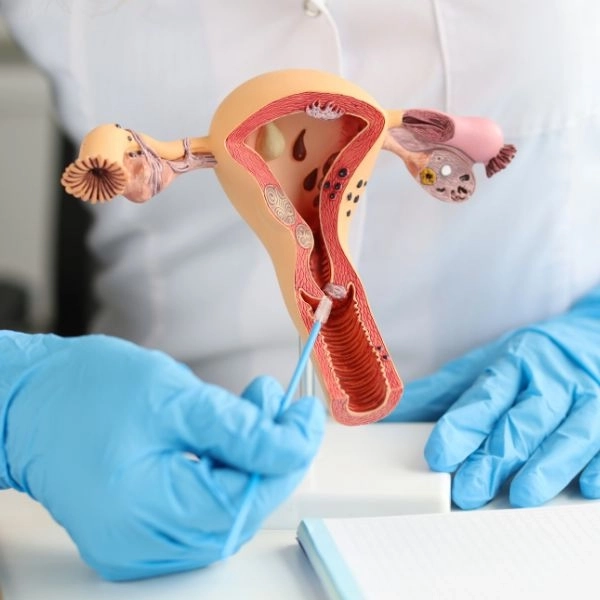
Gynecological endoscopy and women’s tumors are among the most important modern medical tools that help in accurate diagnosis and effective treatment of a wide range of female health conditions, including benign and malignant tumors.
Dr. Neama Antar emphasizes that using endoscopy reduces complications and significantly increases diagnostic accuracy, improving recovery chances and patient safety.
Dr. Neama Antar explains that gynecological endoscopies are precise medical instruments used to examine the uterus, fallopian tubes, and ovaries without the need for open surgery.
These endoscopies help to:
Diagnose uterine and ovarian tumors at early stages.
Evaluate causes of abnormal bleeding or chronic pelvic pain.
Perform minor procedures such as removing small tumors or taking tissue samples for biopsy.
Dr. Neama Antar stresses that the choice of endoscopy type depends on the patient’s condition and symptoms. The main types include:
Hysteroscopy: Used to examine the uterine cavity and detect tumors or fibroids.
Laparoscopy: Used to examine the ovaries, fallopian tubes, and pelvic organs, with the ability to remove tumors.
Diagnostic and Therapeutic Endoscopy: Combines diagnosis and treatment in the same procedure, reducing the need for open surgery.
Dr. Neama Antar explains that women’s tumors include:
Ovarian tumors.
Uterine tumors.
Cervical tumors.
Sometimes, endometrial tumors.
Early diagnosis is crucial because:
Early detection increases recovery chances and reduces complications.
Some tumors can be treated using endoscopy without open surgery.
Regular follow-up ensures tumors do not progress and improves the patient’s quality of life.
Dr. Neama Antar emphasizes the importance of following precise steps to achieve the best results:
Perform preliminary tests, such as ultrasound and blood tests.
Choose the appropriate type of endoscopy for the patient’s condition.
Take tissue samples for biopsy if necessary.
Follow up post-endoscopy treatment, whether medical or surgical, depending on the tumor type.
Dr. Neama Antar stresses the importance of regular check-ups, especially for women over 30 or with a family history of gynecological tumors. Important tips include:
Visiting a specialized gynecologist at least once a year.
Conducting regular tumor screenings and pelvic ultrasounds.
Monitoring any abnormal symptoms, such as irregular bleeding or persistent pelvic pain.
Maintaining a healthy lifestyle with balanced nutrition and regular physical activity.
Ultimately, every woman should prioritize her reproductive health and consult specialized doctors to ensure early detection of tumors and benefit from the latest endoscopic techniques.