
Published on: 2026-01-05 | Written by: Dr. Nema Antar Obstetrician and Gynecologist
Infertility has become one of the most common health issues affecting couples today, directly impacting their psychological and social life. It is crucial, as Dr. Neama Antar emphasizes, that early diagnosis and thorough examination are the first steps in treating this issue and achieving pregnancy safely and effectively.
Dr. Neama Antar stresses that the causes of infertility are varied, affecting the woman, the man, or both, and the most common include:
Ovulation problems in women: such as polycystic ovary syndrome (PCOS) or endocrine disorders.
Blocked fallopian tubes or uterine problems: preventing the fertilized egg from reaching the uterus.
Low sperm quality in men: a major factor in many infertility cases.
Age and genetic factors: as natural pregnancy chances decrease after a certain age for both men and women.
Lifestyle and environmental factors: such as smoking, obesity, and stress, which negatively affect fertility.
Dr. Neama Antar emphasizes the importance of comprehensive testing for both partners, including:
Hormonal tests to assess ovulation in women.
Sperm analysis to evaluate quantity and quality in men.
Uterine and fallopian tube imaging using ultrasound or endoscopy.
Assessment of genetic and environmental factors affecting fertility.
Dr. Neama Antar explains that infertility treatment depends on the underlying cause and may include:
Medication: to stimulate ovulation in women or improve sperm quality in men.
Surgery: to repair blocked fallopian tubes or remove uterine abnormalities.
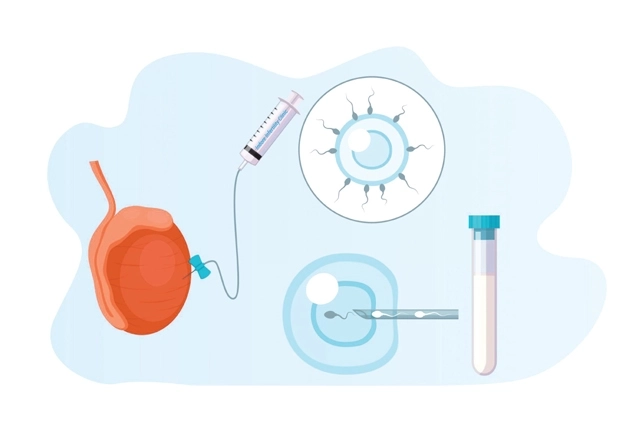
Assisted reproductive technologies: such as in vitro fertilization (IVF), intracytoplasmic sperm injection (ICSI), and frozen embryo transfer, which are effective solutions for complex cases.
Psychological support: as experts note that stress directly affects pregnancy rates.
Dr. Neama Antar emphasizes that a healthy lifestyle is a crucial part of treatment, including:
Maintaining a balanced and healthy weight.
Regular physical activity.
Reducing smoking and alcohol consumption.
Eating a diet rich in vitamins and minerals.
Timing intercourse according to ovulation days.
Ultimately, couples facing infertility should prioritize their reproductive health and consult specialized doctors to ensure the best outcomes and fulfill the dream of parenthood.