
Published on: 2025-12-28 | Written by: Dr. Mohamed Abdel Hamid PhD in Speech Therapy
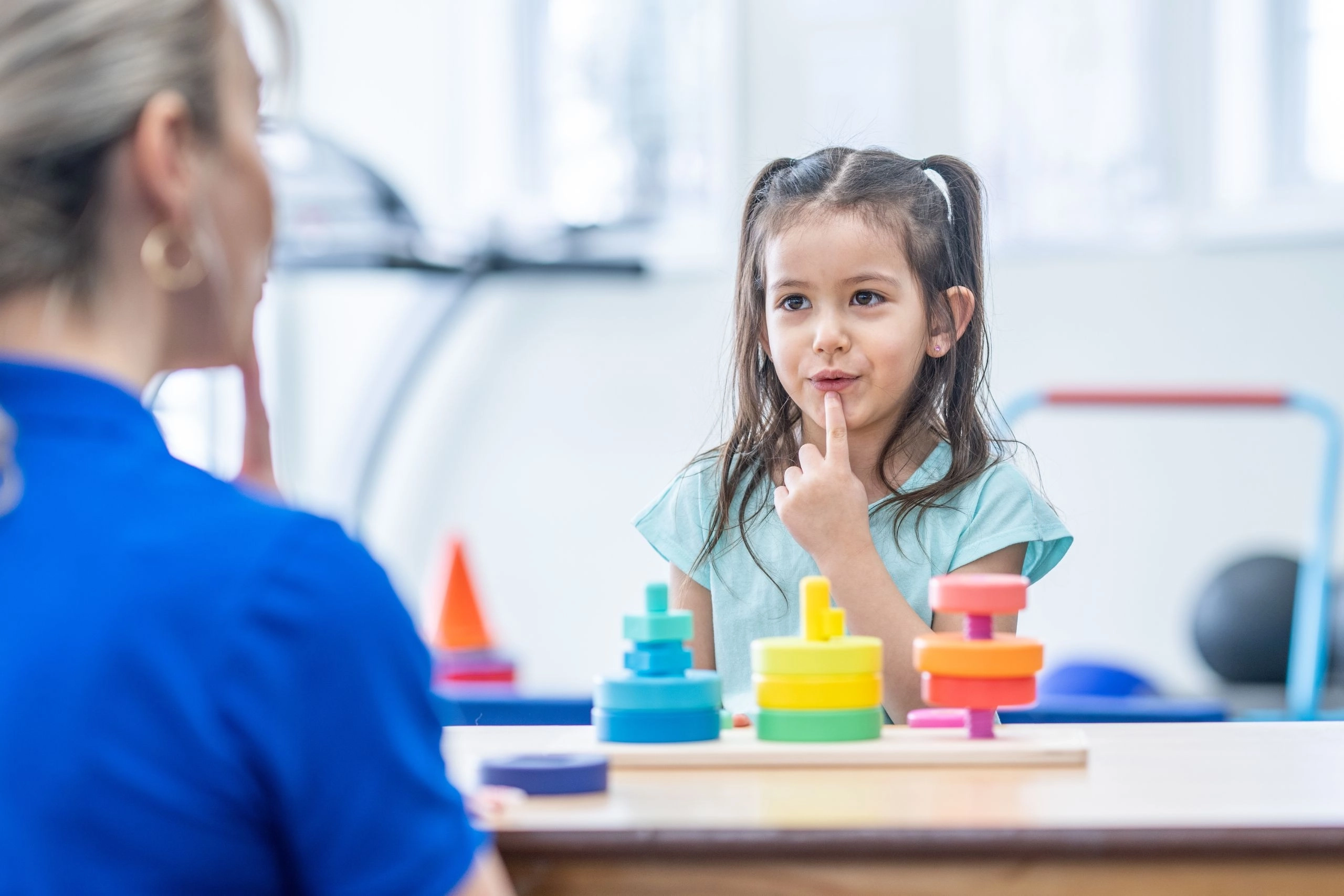
Speech and language therapy for children and adolescents is a crucial field in psychology and language development, directly affecting academic, social, and emotional abilities. Problems with speech or language can impact self-confidence and relationship-building, making early intervention essential for improving communication skills.
Dr. Mohamed Abdel Hamid emphasizes that early treatment of speech difficulties significantly increases the chances for children and adolescents to develop language and communication skills naturally and effectively, reducing the negative impact on daily life.
The causes of speech and language disorders are varied, including:
Natural language delay: Some children take longer to develop language skills
Speech articulation problems: Difficulty pronouncing sounds or words correctly
Language disorders: Difficulty understanding or using language for communication
Neurological or developmental conditions: Such as autism spectrum disorders or learning difficulties
Environmental factors: Limited linguistic stimulation or reduced social interaction
Dr. Mohamed Abdel Hamid notes that evaluating the underlying causes of speech problems helps create a personalized treatment plan for each child.
Common signs of speech difficulties in children and adolescents include:
Delayed speech relative to age
Difficulty pronouncing certain sounds or words
Limited vocabulary or difficulty forming sentences
Challenges in understanding or expressing thoughts
Social withdrawal or low self-confidence due to communication struggles
Dr. Mohamed Abdel Hamid explains that early recognition of these signs allows for timely intervention before problems worsen.
Treatment involves a combination of approaches, including:
Individual therapy: Direct sessions with a speech therapist to correct pronunciation and enhance language
Group therapy: Developing social communication skills and interaction with peers
Home exercises: Simple daily exercises to practice language and speech regularly
Supportive technologies: Using educational apps and programs to stimulate language development
Family and educational support: Encouraging children and adolescents to speak and express themselves freely
Dr. Mohamed Abdel Hamid emphasizes that combining individual and group therapy with family support yields the best results and accelerates progress.
Improving pronunciation and proper language use
Enhancing social and emotional skills
Increasing self-confidence and engagement in school and social activities
Reducing learning and behavioral problems related to communication difficulties
Improving overall quality of life for children and adolescents
Dr. Mohamed Abdel Hamid stresses that early intervention prevents worsening problems and ensures healthy linguistic and social development.
Dr. Mohamed Abdel Hamid confirms that monitoring progress with a speech therapist ensures optimal outcomes and enables children and adolescents to interact naturally and effectively with their environment.