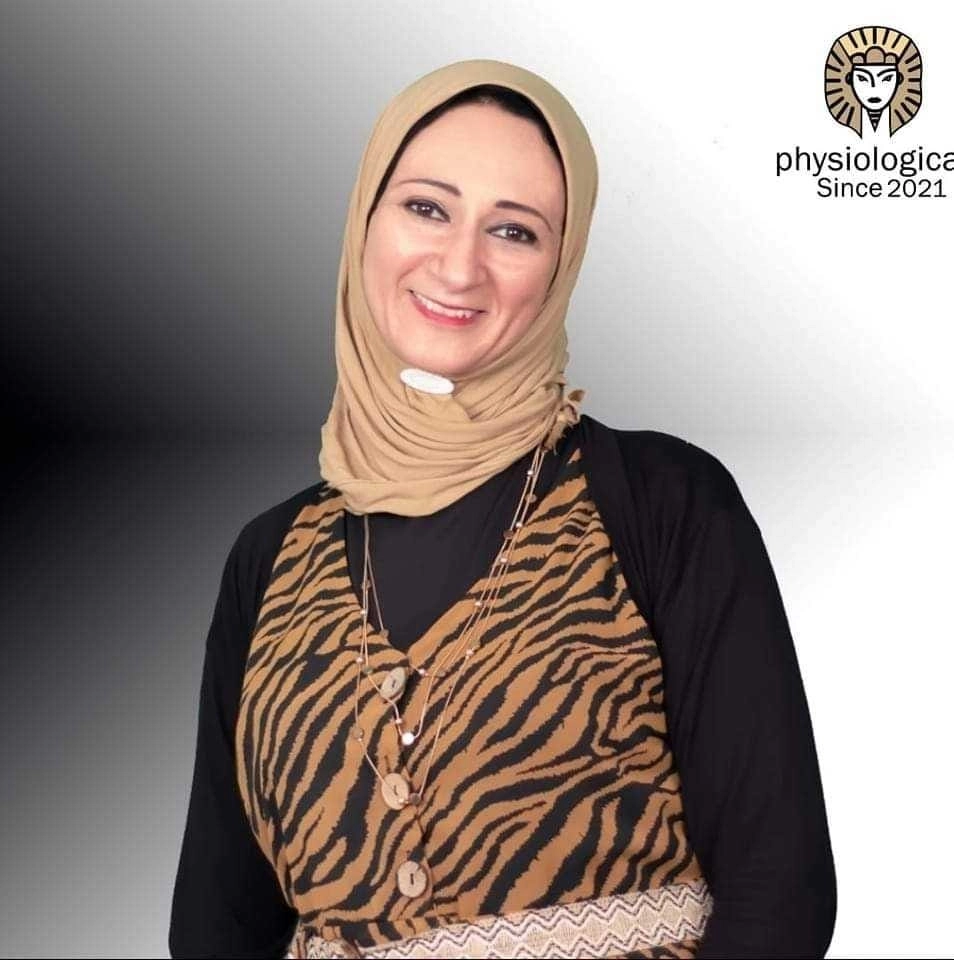

Published on: 2025-12-25 | Written by: Dr. Bernadette Atef Clinical Psychologist

Depression is one of the most common mental health disorders affecting mood, behavior, and the ability to perform daily tasks. Its severity can range from mild to moderate to severe, and it may result from biological, psychological, or social factors.
Dr. Bernadette Atef emphasizes that depression is a treatable condition, and early intervention with appropriate therapeutic strategies can help patients regain their normal lives and experience happiness again.
Causes of Depression
Depression can arise from multiple factors, including:
Genetic factors: A family history of depression increases the likelihood of developing it.
Brain chemistry changes: Deficiency in neurotransmitters such as serotonin and dopamine.
Psychological and social stress: Job loss, financial problems, or losing a loved one.
Chronic illnesses: Some chronic physical conditions can affect mental well-being.
Dr. Bernadette Atef points out that identifying the causes helps in selecting the most suitable treatment for each patient.
Signs and Symptoms of Depression
Symptoms of depression may include:
Persistent sadness and loss of interest in daily activities
Continuous fatigue and low energy
Sleep and appetite disturbances
Difficulty concentrating and making decisions
Negative thinking and low self-esteem
In severe cases, thoughts of suicide
Dr. Bernadette Atef explains that early monitoring of these symptoms allows for timely intervention before the condition worsens.
Methods of Treating Depression
Treating depression involves a combination of approaches:
Psychotherapy: Such as Cognitive Behavioral Therapy (CBT) which helps change negative thoughts and improve mood.
Medication: Antidepressants prescribed by a psychiatrist after evaluating the patient.
Social and family support: A strong support network helps alleviate depressive symptoms.
Activity-based therapy: Exercise, hobbies, and social engagement enhance mental health.
Advanced interventions: Such as magnetic stimulation or electroconvulsive therapy in resistant cases.
Dr. Bernadette Atef confirms that combining psychotherapy and medication is more effective in moderate to severe cases and increases the chances of full recovery.
Tips to Prevent or Reduce Depression
Engage in regular physical activity
Ensure sufficient sleep and avoid staying up late
Eat a balanced and healthy diet
Maintain positive social connections
Learn stress and pressure management skills
Dr. Bernadette Atef notes that following these tips can reduce depressive episodes and support long-term mental well-being.
Depression is a common mental health condition, but it is treatable with the right approaches. Awareness of symptoms, seeking psychological support, and following an integrated treatment plan—including psychotherapy, medication, and social support—help patients regain normalcy and well-being.
Dr. Bernadette Atef emphasizes that early intervention and choosing the appropriate treatment strategy are key to successful depression recovery and restoring mental health.