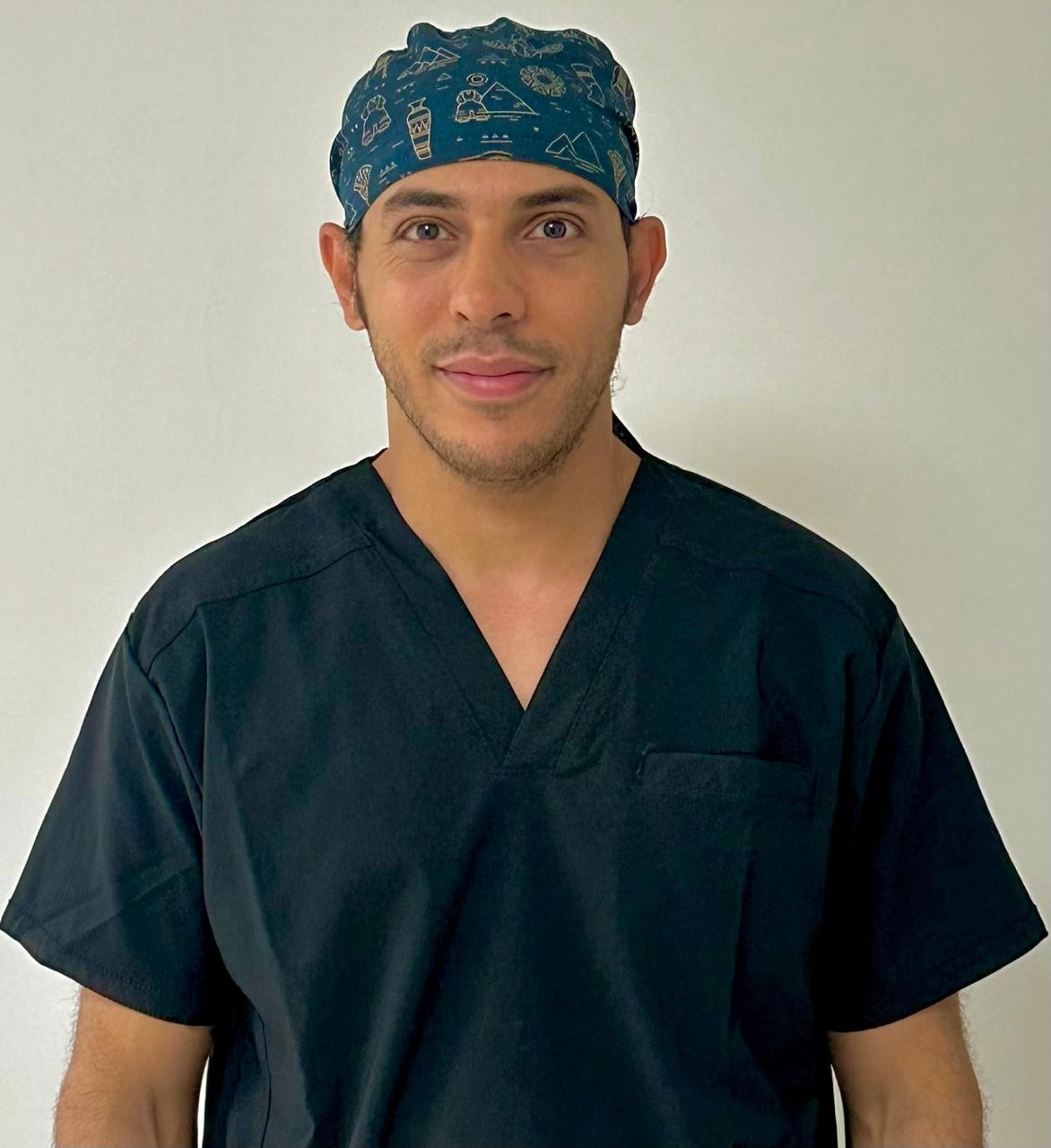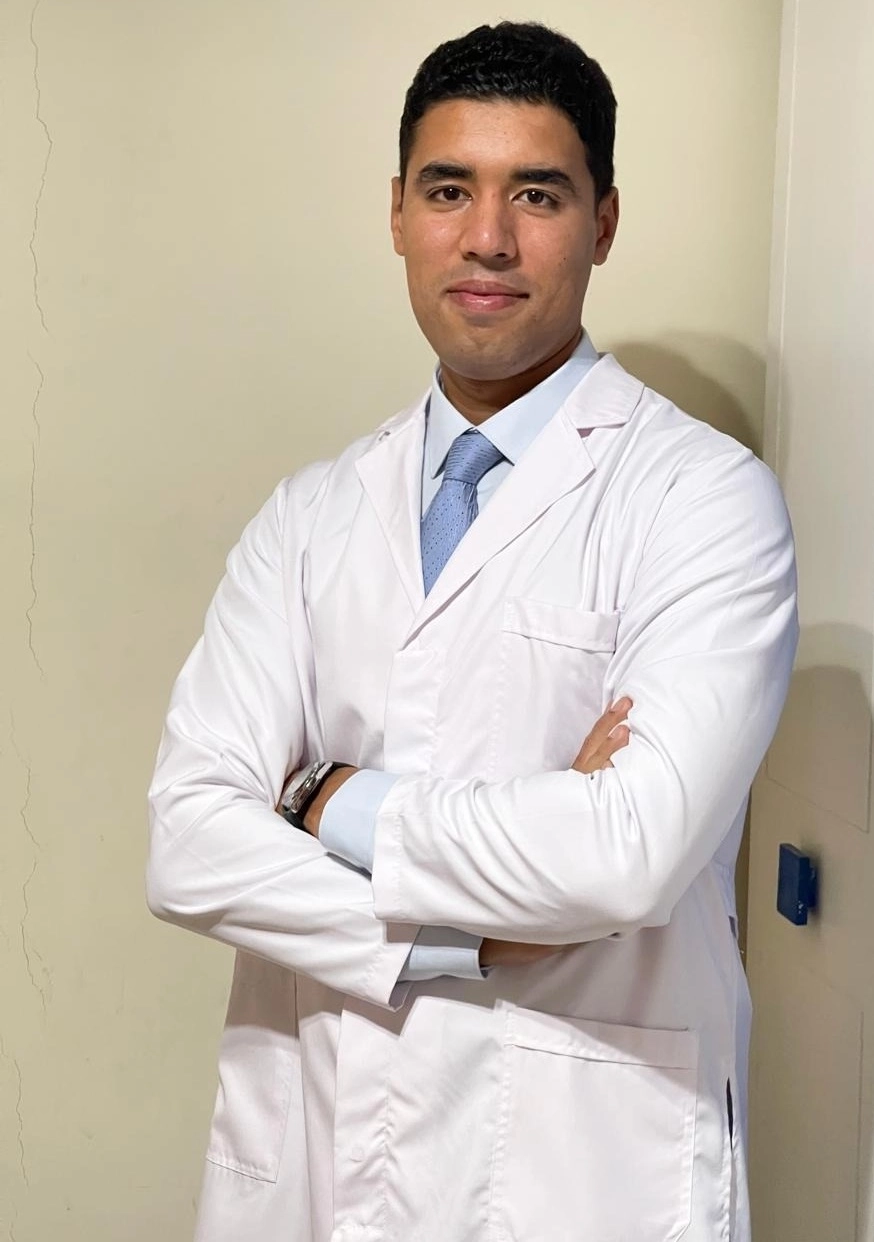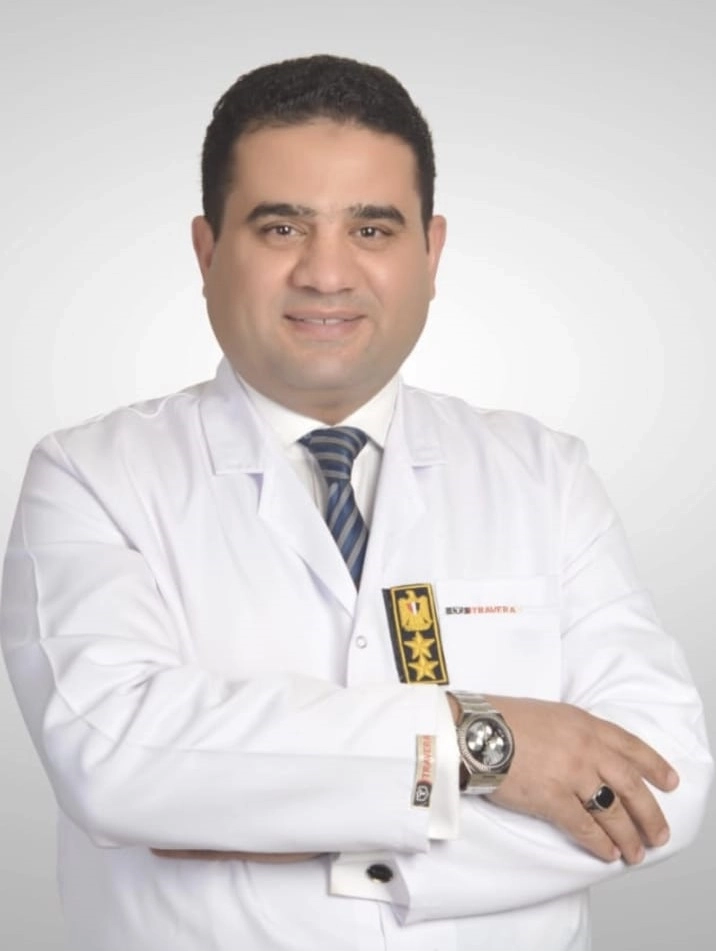

Published on: 2025-12-25 | Written by: Dr. Mohamed El Sayed El Badawy Urologist
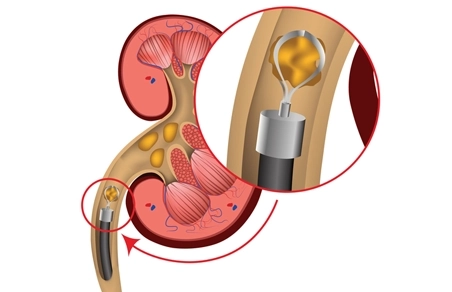
Kidney and bladder endoscopy is one of the most important and advanced medical techniques used to diagnose and treat urinary tract diseases without traditional surgery. This approach reduces pain, accelerates recovery, and achieves high success rates. Endoscopies have become the first choice in many cases, including kidney and bladder stones, ureteral obstruction, bladder tumors, and recurrent urinary tract infections.
Dr. Mohamed El-Said El-Badawy emphasizes that the significant development in urinary tract endoscopy has created a major breakthrough in patient care, making procedures safer and more precise while minimizing complications.
A kidney and bladder endoscope is a precise medical device equipped with a high-quality camera. It is inserted through the urethra or a very small incision, allowing the doctor to view the urinary system in detail and perform treatments during the same session.
Dr. Mohamed El-Said El-Badawy points out that modern endoscopes allow doctors to address even the smallest details inside the kidneys and bladder without affecting the surrounding healthy tissues.
Endoscopes are used in various medical cases, including:
Diagnosing and treating kidney, ureter, and bladder stones
Treating urinary tract obstructions
Removing benign and malignant bladder tumors
Investigating causes of blood in the urine
Treating chronic urinary tract infections
Expanding narrow ureters or urethra
Taking biopsies for accurate diagnosis
Dr. Mohamed El-Said El-Badawy confirms that the endoscope serves as both a diagnostic and therapeutic tool, saving patients from multiple procedures.
Endoscopes offer many benefits compared to traditional surgery:
No large incisions or wounds
Less pain after the procedure
Shorter hospital stay
Faster return to normal life
High accuracy in diagnosis and treatment
Lower risk of complications
Dr. Mohamed El-Said El-Badawy explains that these advantages have made endoscopes the preferred choice worldwide for most urinary tract conditions.
Kidney and bladder endoscopies are very safe when performed by an experienced specialist. Procedures are usually done under general or spinal anesthesia, and patients can often leave the hospital the same day or within 24 hours.
Dr. Mohamed El-Said El-Badawy reassures patients that success rates are extremely high, and complications are rare if medical instructions are followed before and after the procedure.
Before the procedure, the doctor may request some tests, including:
Urine analysis
Blood tests
Imaging or ultrasound
Stopping certain medications as advised
Dr. Mohamed El-Said El-Badawy emphasizes that following these instructions significantly contributes to the procedure’s success and rapid recovery.
After the endoscopy, patients may experience mild burning during urination or slight blood in the urine, which usually resolves within a few days. Doctors recommend drinking plenty of water and taking prescribed medications.
Dr. Mohamed El-Said El-Badawy stresses the importance of follow-up after the endoscopy to ensure complete healing and prevent recurrence.
Medical studies have proven that endoscopy provides excellent results with greater patient comfort compared to traditional surgery, especially for stones and small tumors.
Dr. Mohamed El-Said El-Badawy notes that choosing the right technique depends on precise diagnosis and the doctor’s experience, ensuring the best treatment outcomes for the patient.