
Published on: 2025-12-25 | Written by: Dr. Mohamed El Sayed El Badawy Urologist
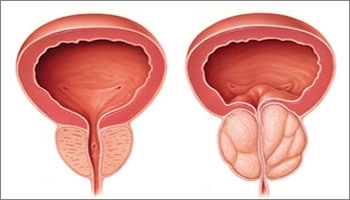
Prostate problems are among the most common health issues affecting men, especially with advancing age. These conditions can significantly impact the urinary system, sexual function, and overall quality of life. Prostate disorders include benign prostatic hyperplasia (BPH), prostatitis, and prostate cancer.
Dr. Mohamed El-Sayed El-Badawy confirms that early diagnosis and appropriate treatment play a vital role in controlling symptoms and preventing serious complications.
The prostate is a small gland located just below the bladder and surrounding the urethra. It plays an essential role in producing seminal fluid. As men age, the prostate may undergo changes that lead to bothersome symptoms.
Dr. Mohamed El-Sayed El-Badawy explains that understanding the prostate’s function helps patients recognize problems early and seek proper medical care.
This is the most common prostate condition and often causes difficulty urinating, weak urine flow, and frequent nighttime urination.
This condition may be acute or chronic and is associated with pelvic pain, lower back discomfort, and burning during urination.
Prostate cancer may develop silently in its early stages, making regular screening essential for early detection.
Dr. Mohamed El-Sayed El-Badawy emphasizes that distinguishing between these conditions is crucial for choosing the most effective treatment.
Common symptoms include:
Difficulty starting urination
Weak or interrupted urine stream
Feeling of incomplete bladder emptying
Frequent urination, especially at night
Pelvic or lower abdominal pain
Dr. Mohamed El-Sayed El-Badawy stresses that seeking medical attention as soon as these symptoms appear can prevent disease progression.
Diagnosis typically involves several steps, including:
✔ Clinical examination
✔ PSA blood test
✔ Ultrasound imaging
✔ Urine analysis
✔ Advanced imaging when necessary
Dr. Mohamed El-Sayed El-Badawy confirms that accurate diagnosis is the cornerstone of creating a safe and effective treatment plan.
Medications are commonly used to manage symptoms of prostate enlargement and inflammation.
Surgery may be required in advanced cases or when medications are ineffective, using either traditional surgery or laser techniques.
Some cases require careful observation and routine follow-up without immediate intervention.
Dr. Mohamed El-Sayed El-Badawy confirms that treatment selection depends on the patient’s age, symptom severity, and overall health condition.
Regular prostate check-ups after the age of 40
Drinking adequate amounts of water
Reducing caffeine and high-fat foods
Exercising regularly
Never ignoring urinary symptoms