

Published on: 2025-06-15 | Written by: Dr. Fouad Al-Sharif, General and Laparoscopic Surgery Specialist
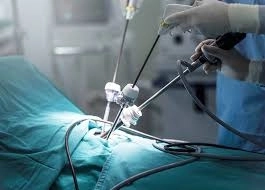
In recent decades, surgical techniques have advanced dramatically, and laparoscopic surgery has become the preferred option for many procedures, thanks to its numerous benefits including faster recovery, smaller incisions, and less postoperative pain.
But the common question among patients is:
Is laparoscopic surgery suitable for every case?
And when does a surgeon opt for open surgery instead?
In this article, Dr. Fouad El Sherif, specialist in general and laparoscopic surgery, explains the answer based on his extensive experience in the field.
Laparoscopic surgery is a minimally invasive surgical technique performed through very small incisions (0.5–1 cm). A camera and fine instruments are inserted through these incisions, allowing the surgeon to operate inside the body without the need for a large cut.
This technique is commonly used for:
Appendectomy
Gallbladder removal
Hernia repair
Bariatric surgeries like gastric sleeve and gastric bypass
Dr. Fouad El Sherif uses modern, single-use surgical tools to ensure the highest standards of safety and sterilization.
Less pain after surgery
Faster recovery and return to daily life
Minimal scarring and better cosmetic outcomes
Reduced risk of infection and wound complications
Shorter hospital stay
All of these advantages make laparoscopy the best option in most—but not all—cases.
Dr. Fouad El Sherif highlights several specific situations where open surgery may be more appropriate:
Previous surgeries or chronic infections can lead to internal adhesions, making laparoscopy unsafe due to limited visibility.
In cases of heavy internal bleeding, open surgery allows for faster access and control, which may be life-saving.
If tumors are too large or located in difficult-to-reach areas, open surgery may be required to achieve a complete and safe removal.
In cases like ruptured appendicitis or severe gallbladder infection with pus, open surgery may be preferred for better drainage and control.
Yes—and Dr. Fouad El Sherif emphasizes that this is not considered a failure or complication. It’s a wise medical decision made during surgery if continuing with laparoscopy could put the patient at risk. The goal is always the patient’s safety and optimal outcome.
Before performing any surgical procedure, Dr. El Sherif thoroughly evaluates the patient based on:
Medical history
Blood tests and imaging
Ultrasound or CT scans
He clearly explains all options, including benefits and risks, so the patient can make an informed decision.