Shoulder surgeries using arthroscopy are among the latest advancements in orthopedic surgery, offering high precision and fewer complications compared to traditional surgery. Dr. Mohamed El-Lakany confirms that this technique provides a clear view of the internal structures of the shoulder and allows precise treatment of injuries while preserving surrounding tissues.
What Are Shoulder Arthroscopic Surgeries?
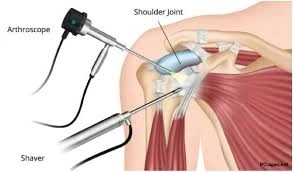
These are procedures performed using a small camera and specialized instruments inserted through tiny incisions around the shoulder joint.
They allow diagnosis and treatment of injuries such as tendon tears, joint dislocation, and joint inflammation.
Dr. Mohamed El-Lakany emphasizes that arthroscopy reduces incision size, leading to faster recovery and less postoperative pain.
Uses of Shoulder Arthroscopic Surgery
Repairing rotator cuff tears
Treating shoulder dislocation or subluxation
Removing damaged tissue or chronic inflammation
Addressing calcifications or movement difficulties resulting from sports injuries
Dr. Mohamed El-Lakany confirms that these procedures help restore full shoulder function and improve mobility.
Advantages of Arthroscopic Shoulder Surgery
Small surgical incisions minimize scarring
Reduced postoperative pain compared to traditional surgery
Faster recovery and quicker return to daily activities
Precise visualization of internal shoulder structures during surgery
Dr. Mohamed El-Lakany emphasizes that these advantages make arthroscopic surgery the preferred choice for most complex shoulder injuries.
Preoperative and Postoperative Tips
Conduct thorough preoperative evaluations to assess the joint and surrounding tissues
Follow the surgeon’s instructions carefully before and after surgery to ensure success
Perform rehabilitation exercises under specialist supervision after surgery
Attend regular follow-ups to prevent complications
Dr. Mohamed El-Lakany confirms that adherence to these guidelines enhances surgical outcomes and minimizes potential risks.
Arthroscopic shoulder surgery offers high precision, faster recovery, and fewer complications compared to traditional methods. Dr. Mohamed El-Lakany confirms that choosing an experienced surgeon and following pre- and postoperative instructions are essential factors to ensure successful surgery and full restoration of shoulder function.