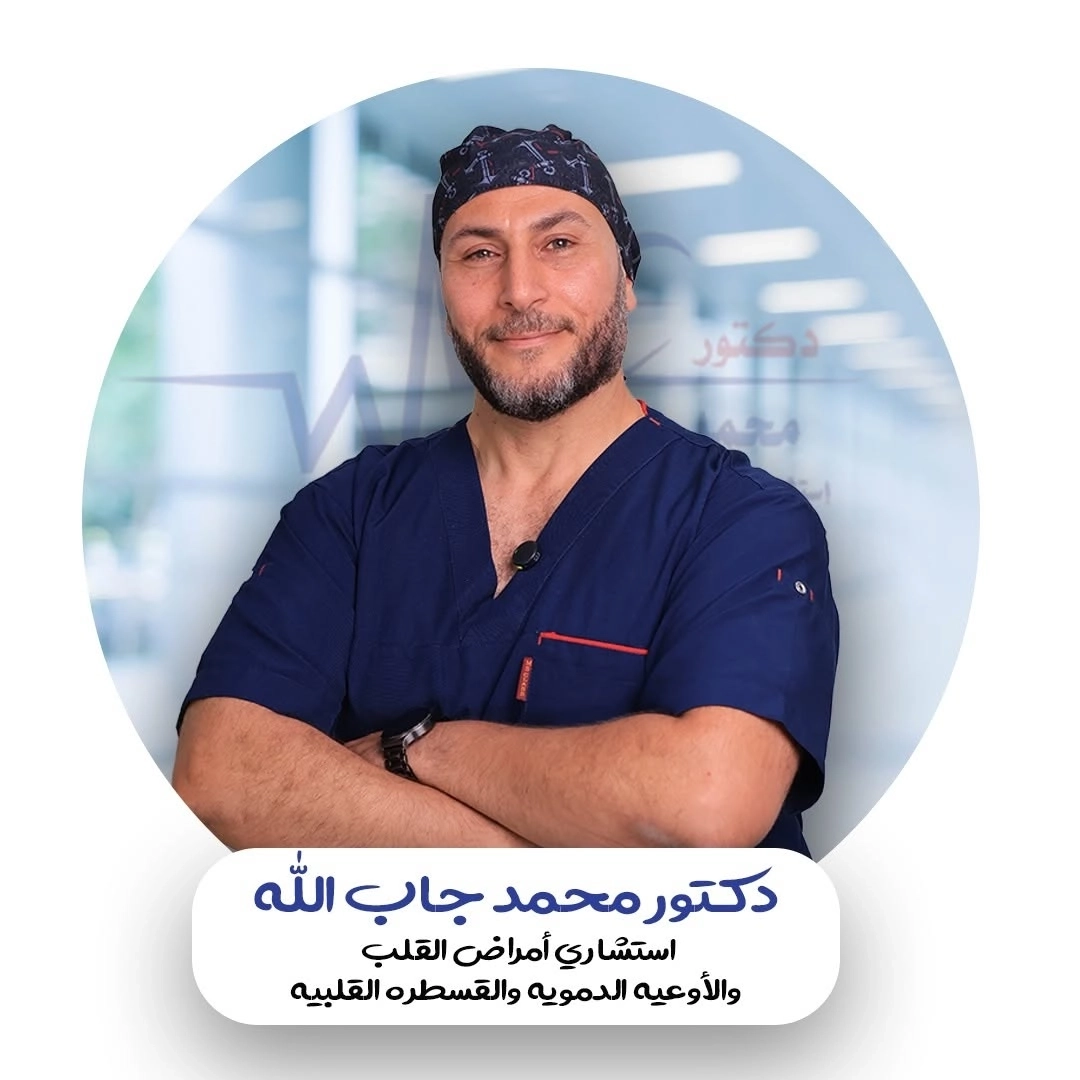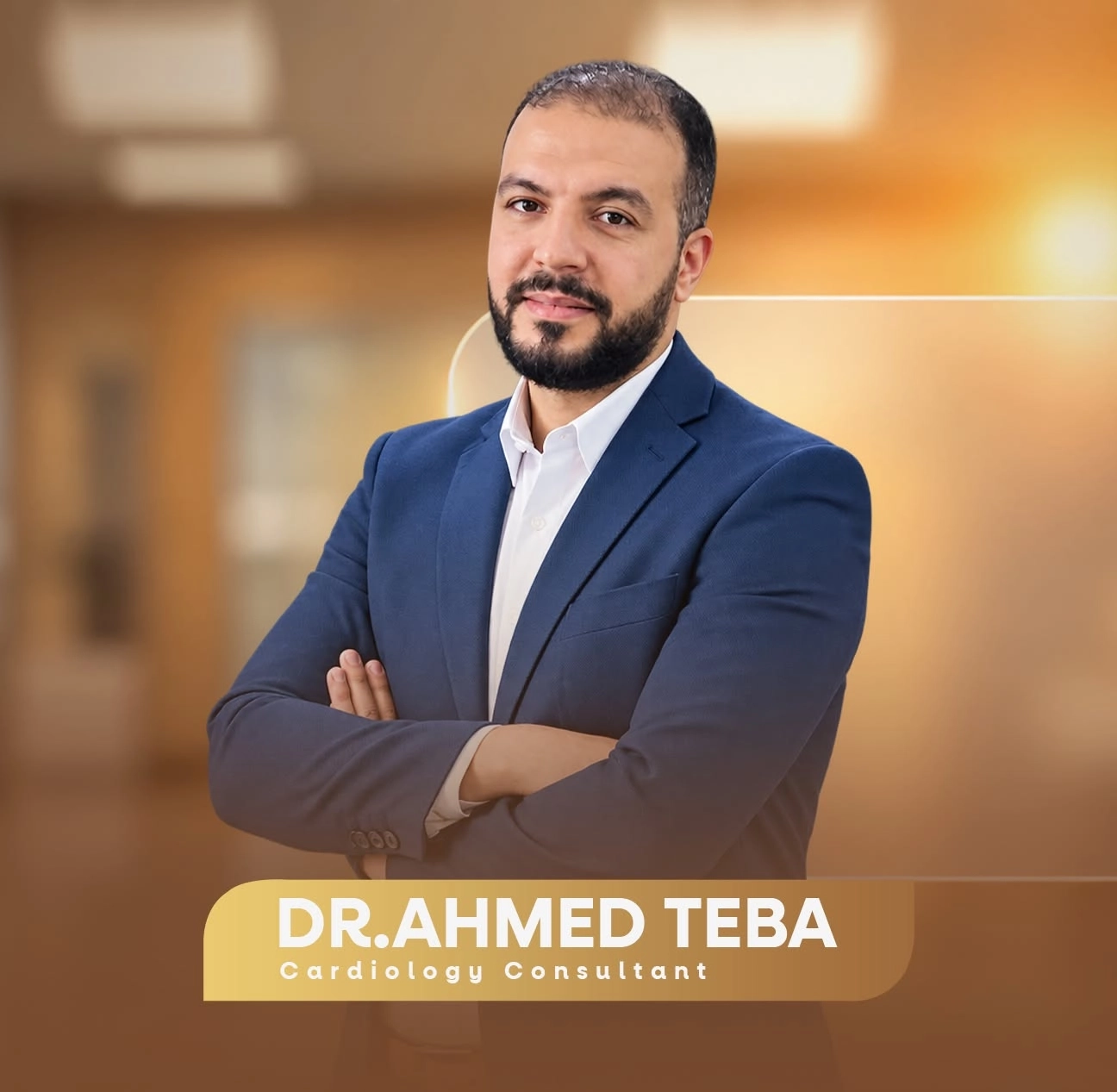

Published on: 2025-11-29 | Written by: Dr. Ahmed Al Sharif, Cardiology and Vascular

Dr. Ahmed El-Sherif is a leading consultant in cardiology, cardiac catheterization, and critical cardiac care, and his expertise plays a crucial role in managing serious conditions such as angina and heart attacks. These conditions require rapid diagnosis, advanced treatment, and continuous follow-up to protect the heart muscle and prevent complications.
Emphasize Dr. Ahmed El-Sherif explains that angina occurs when the heart muscle does not receive enough blood or oxygen due to narrowing of the coronary arteries.
Clarify Dr. Ahmed El-Sherif states that patients often feel pressure, tightness, or burning chest pain that may extend to the arm, jaw, or back.
Stress Dr. Ahmed El-Sherif confirms that angina can be stable or unstable, and unstable angina is a medical emergency that must not be ignored.
Warn Dr. Ahmed El-Sherif highlights that untreated angina may eventually lead to a full heart attack.
Emphasize Dr. Ahmed El-Sherif points out that a heart attack occurs when a blood clot completely blocks a coronary artery.
Clarify Dr. Ahmed El-Sherif indicates that early intervention within minutes or hours can save the heart muscle from permanent damage.
Stress Dr. Ahmed El-Sherif notes that symptoms include severe chest pain, shortness of breath, sweating, nausea, and dizziness.
Warn Dr. Ahmed El-Sherif stresses that delays in treatment significantly increase the risk of heart failure or sudden cardiac death.
Emphasize Dr. Ahmed El-Sherif explains that treatment begins with rapid evaluation using ECG, cardiac enzymes, and imaging.
Clarify Dr. Ahmed El-Sherif confirms that stable angina may be treated with medications such as nitrates, beta-blockers, and antiplatelets.
Stress Dr. Ahmed El-Sherif states that unstable angina and heart attacks often require urgent therapeutic catheterization to open blocked arteries and restore blood flow.
Warn Dr. Ahmed El-Sherif recommends lifestyle changes, diet modification, and long-term follow-up to prevent recurrence.
Emphasize Dr. Ahmed El-Sherif notes that any chest pain lasting more than 10 minutes requires urgent medical assessment.
Clarify Dr. Ahmed El-Sherif adds that early arrival to a cardiac center greatly increases survival chances.
Stress Dr. Ahmed El-Sherif advises patients with risk factors—such as diabetes, hypertension, or high cholesterol—to perform regular cardiac checkups.
Warn Dr. Ahmed El-Sherif states that ignoring symptoms may lead to irreversible heart damage.