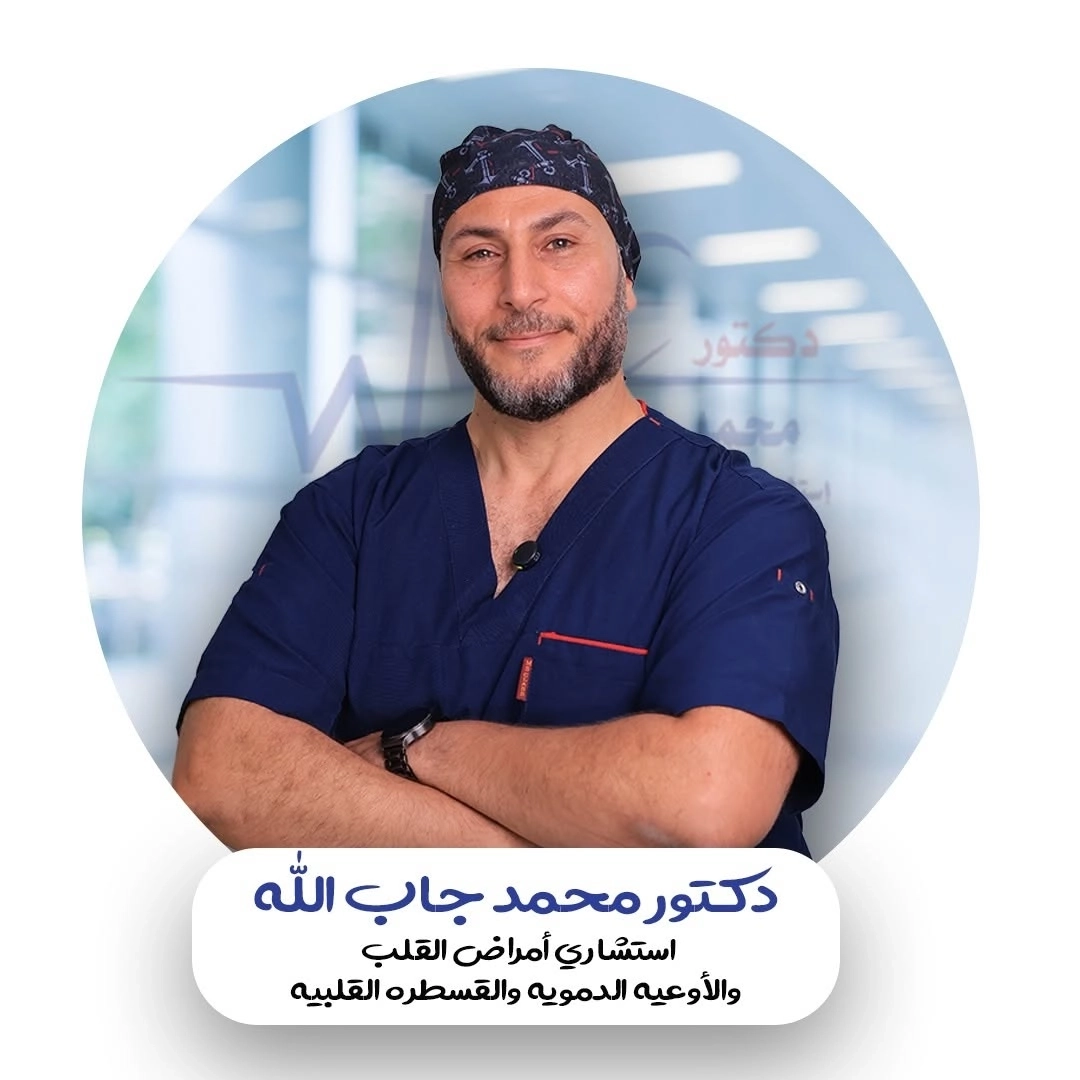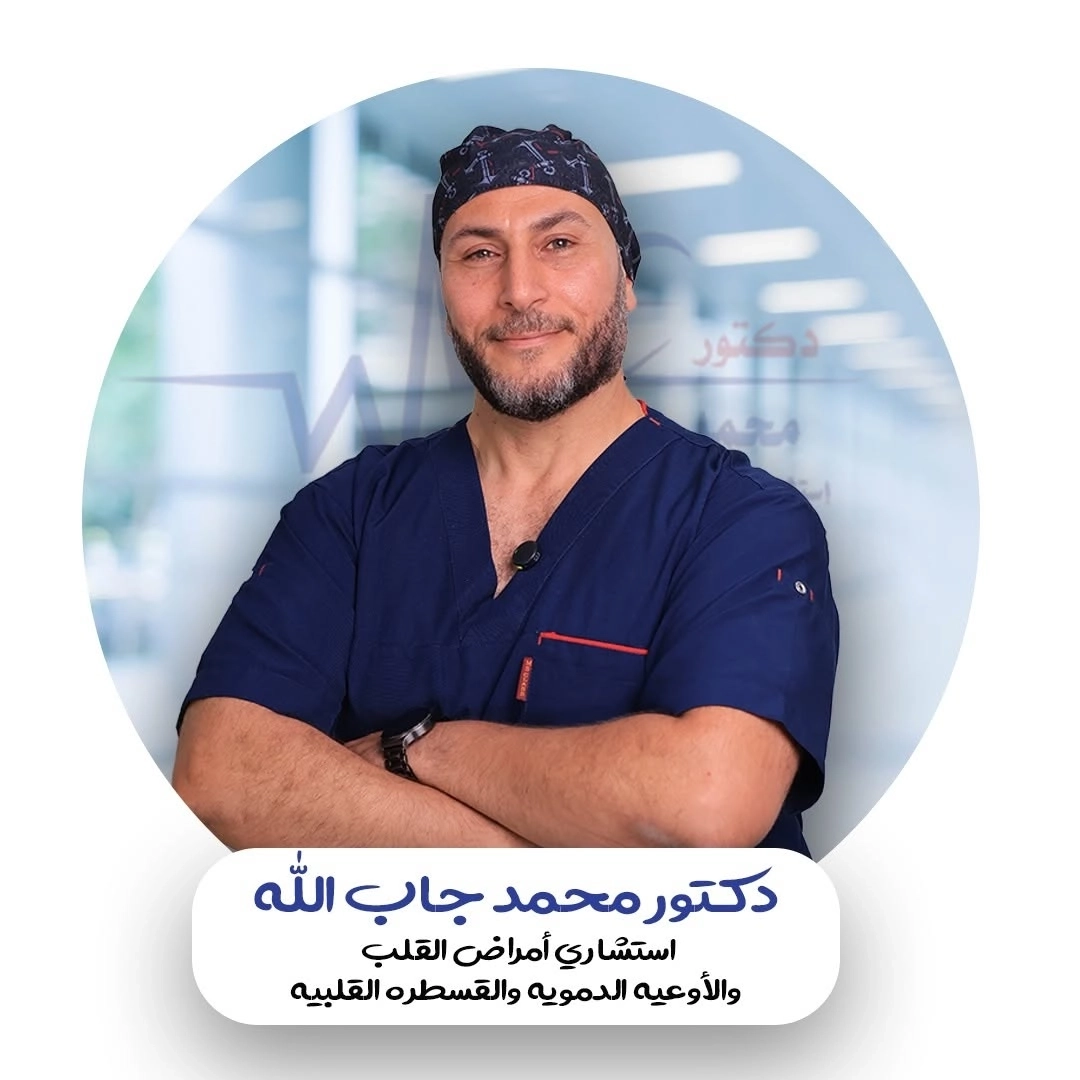

Published on: 2025-11-26 | Written by: Dr. Imad Fahmy Farag, Consultant Cardiologist
Dr. Emad Fahmy Farag emphasizes that heart diseases such as arrhythmias and angina require careful monitoring because they are among the most critical conditions affecting patient health and quality of life, and he explains that early detection helps prevent serious complications and allows for faster and more effective treatment.
Dr. Emad Fahmy Farag explains that arrhythmias may result from electrical conduction problems, weak heart muscle, or electrolyte imbalances, and he warns that ignoring palpitations or irregular heartbeat symptoms can lead to deterioration and increase the risk of blood clots if not medically assessed.
Dr. Emad Fahmy Farag confirms that angina serves as an early warning of coronary artery problems, and he emphasizes that early management prevents artery blockages and reduces the risk of acute heart attacks, and he explains the importance of regular tests for patients at risk.
Dr. Emad Fahmy Farag warns that tests such as ECG, echocardiography, and stress tests are essential for accurately assessing heart health, and he emphasizes that neglecting follow-ups can delay diagnosis and lead to the appearance of more severe symptoms that are harder to control later.
Dr. Emad Fahmy Farag emphasizes that accurate diagnosis of arrhythmias helps determine the most suitable treatment for each patient, and he explains that some irregular heartbeat cases require only medication, while others may need special interventions to stabilize heart rhythm.
Dr. Emad Fahmy Farag explains that angina treatment focuses on widening arteries and improving blood flow to the heart muscle, and he confirms that treatment may include clot-dissolving drugs or artery dilators, and in some cases, the patient may require diagnostic or therapeutic catheterization.
Dr. Emad Fahmy Farag warns that treating heart diseases does not rely on medication alone, and he emphasizes the importance of lifestyle changes such as quitting smoking, reducing fat intake, controlling blood pressure and sugar levels, and practicing appropriate exercise, and he explains that adhering to these measures significantly reduces the risk of recurrence.