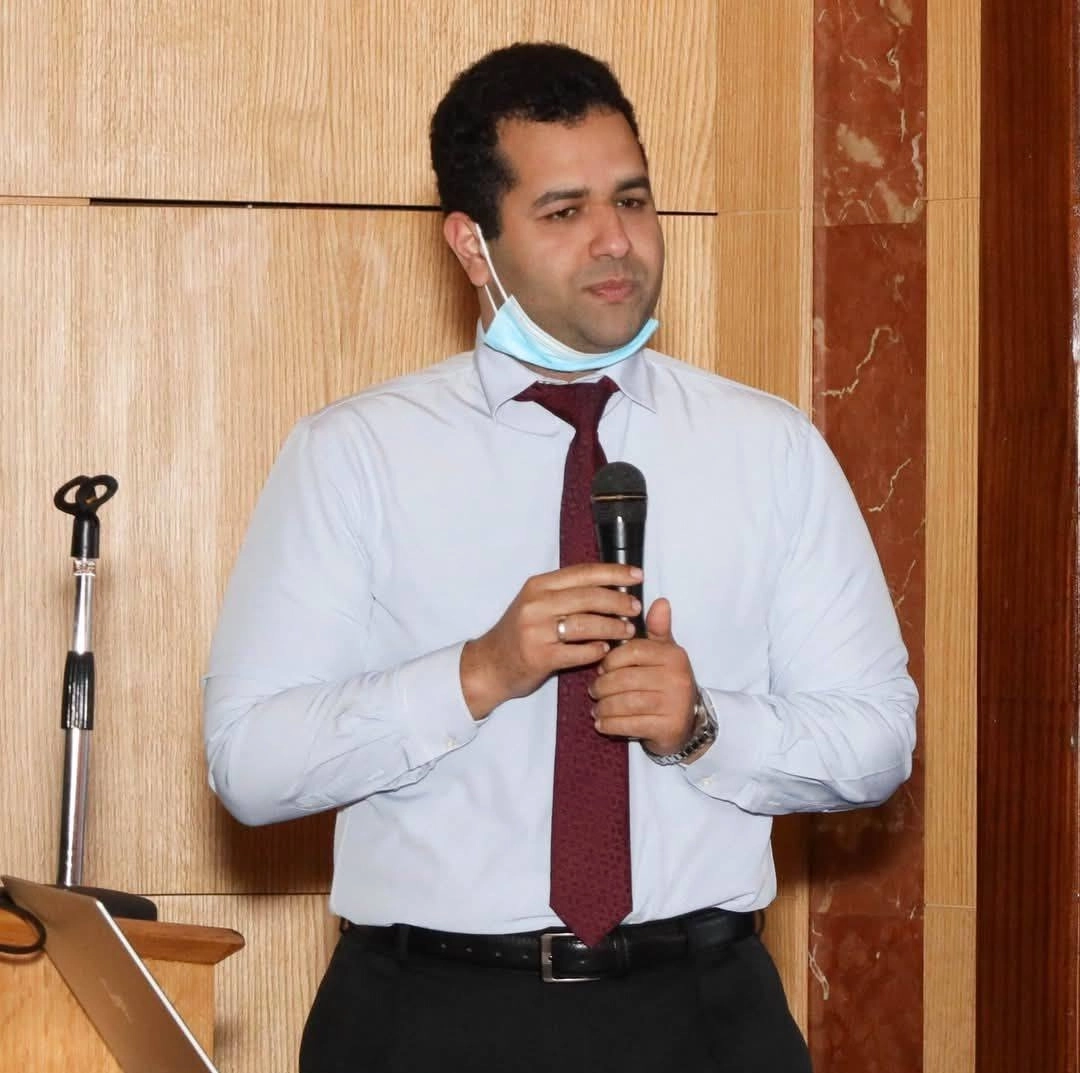

Published on: 2025-11-22 | Written by: Dr Alia Sami Handawy Internal Medicine
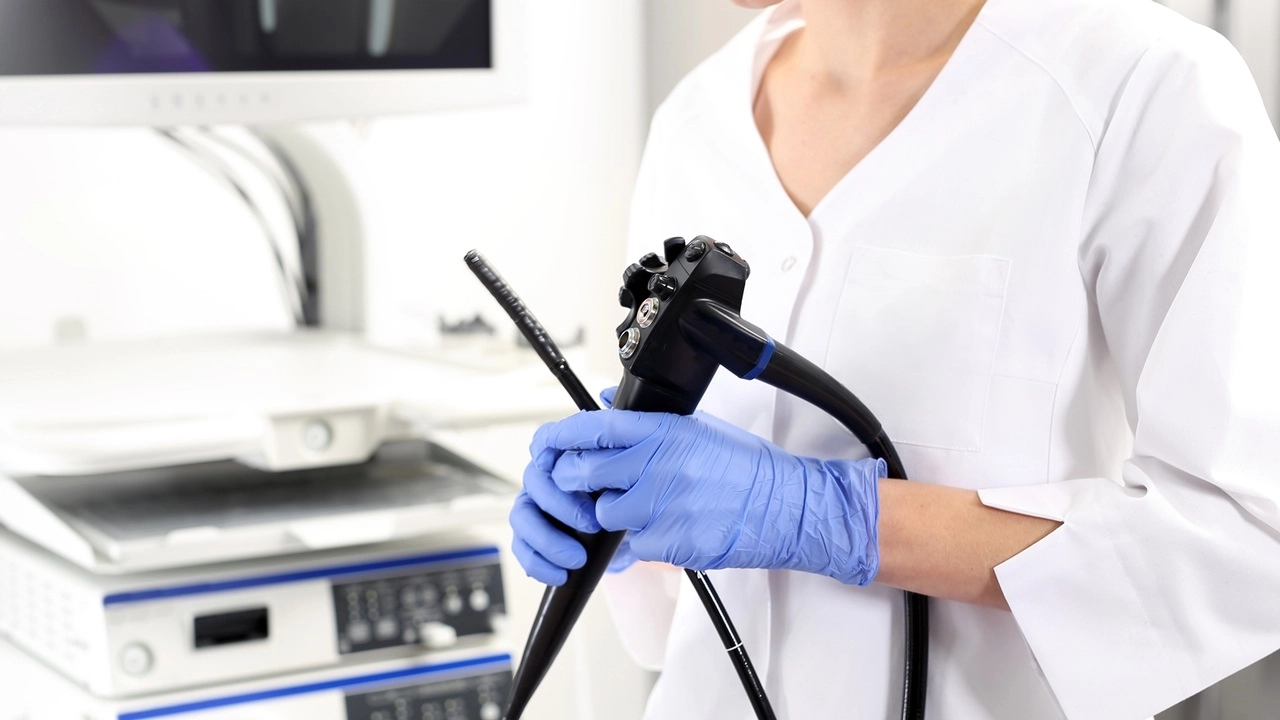
Gastrointestinal endoscopy is one of the most important modern techniques for diagnosing and treating digestive system diseases. It allows physicians to directly view the esophagus, stomach, intestines, and liver, helping in the early detection of issues such as ulcers, tumors, inflammation, and chronic colon diseases.
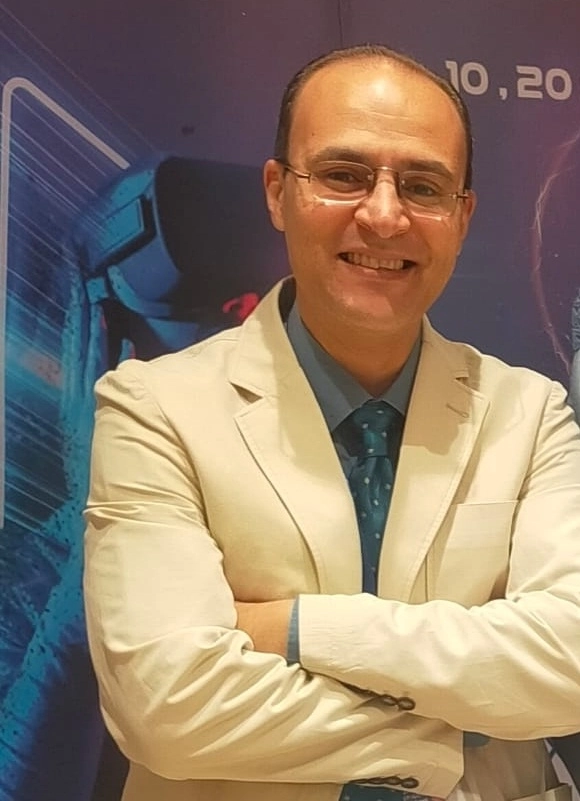
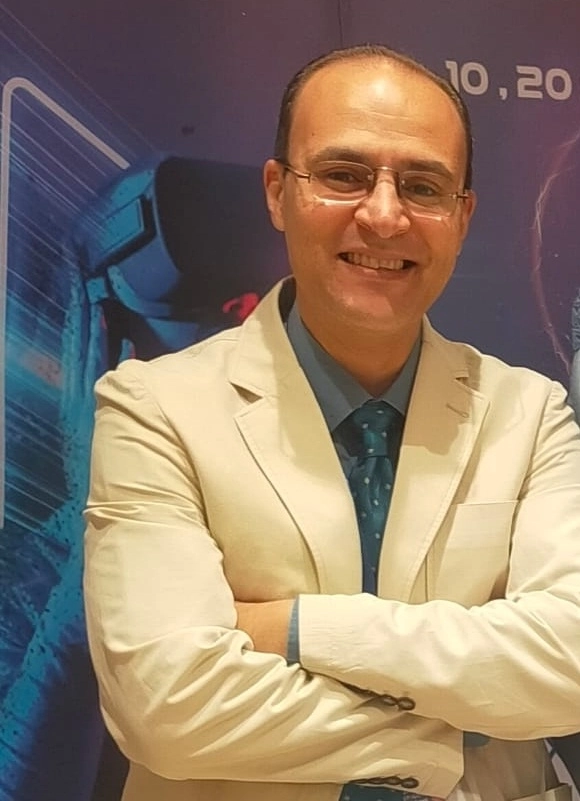
Dr. Alia Sami Hendawy confirms that the use of endoscopy has become essential for accurately monitoring digestive health and improving treatment outcomes.
Early detection of benign and malignant tumors in the digestive system
Diagnosis of ulcers and inflammation in the stomach and small intestine
Monitoring chronic diseases such as inflammatory bowel disease and Crohn’s disease
Collecting tissue samples for laboratory analysis without surgical intervention
Evaluating the effectiveness of medication continuously
Dr. Alia Sami Hendawy emphasizes that endoscopy helps in early diagnosis and reduces the risks associated with delayed treatment.
Used to examine the esophagus, stomach, and upper small intestine.
Dr. Alia Sami Hendawy explains that this type is effective for detecting early ulcers, inflammation, and tumors.
Used to examine the colon and rectum in detail.
Dr. Alia Sami Hendawy confirms its importance in diagnosing tumors, chronic colon inflammation, and detecting polyps before they become malignant.
A modern technique where the patient swallows a small camera capsule to image the entire small intestine.
Dr. Alia Sami Hendawy notes that this method is ideal for detecting unexplained gastrointestinal bleeding and small intestine inflammation.
Fasting for a specific period before the procedure
Informing the doctor about any medications, especially blood thinners
Bowel cleansing with prescribed medications or enemas before colonoscopy
Preparing for light sedation if needed
Dr. Alia Sami Hendawy confirms that following preparation instructions increases the accuracy of results and minimizes potential complications.
Monitoring the progression of chronic conditions like inflammatory bowel disease and fatty liver
Adjusting treatment plans based on real-time findings
Reducing the need for surgery in uncomplicated cases
Collecting precise tissue samples for laboratory testing without surgical intervention
Dr. Alia Sami Hendawy emphasizes that regular endoscopic follow-up helps patients control symptoms and improve quality of life.