Published on: 2025-11-22 | Written by: Vision Vet center
Inhalation anesthesia and laboratory testing are among the most essential modern tools used in veterinary medicine to ensure the safety of animals during surgeries and medical procedures. Scientific evidence shows that combining advanced anesthesia techniques with accurate laboratory tests significantly increases the success rate of treatments and reduces complications.
Vision Veterinary Center confirms that safe anesthesia protocols and precise lab evaluations are the foundation of advanced veterinary care.
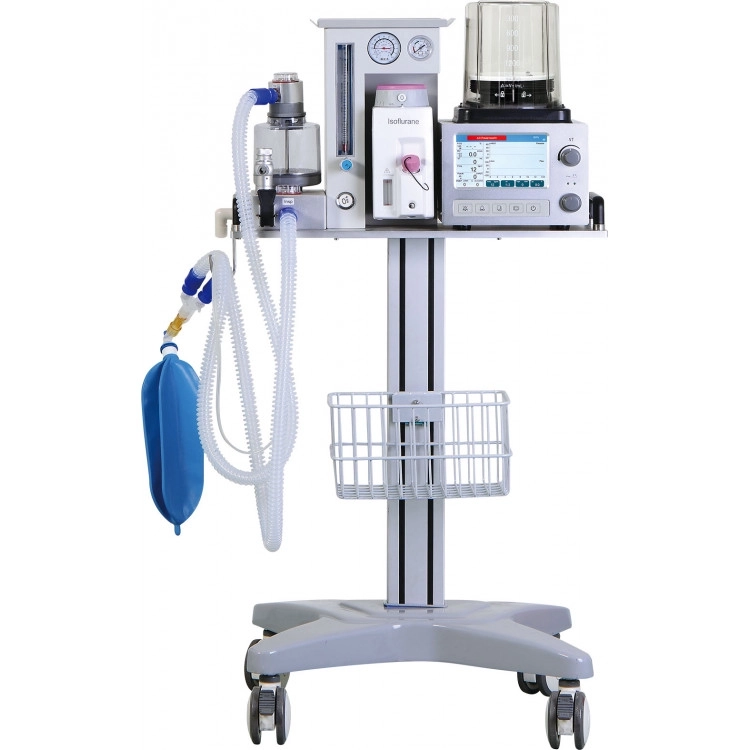
Inhalation anesthesia is considered one of the safest forms of anesthesia for animals, as it allows veterinarians to control the depth of anesthesia precisely and provides smooth, fast recovery without major risks to the heart or breathing.
Rapid control of anesthesia level
Suitable for both small and large animals
More stable vital signs
Fewer complications compared to traditional injectable anesthesia
Can be discontinued immediately if needed
Vision Veterinary Center emphasizes that inhalation anesthesia has become a standard of care, especially in delicate surgeries such as eye surgery, bone surgery, and tumor removal.
This method relies on the animal inhaling specific anesthetic gases through a specialized machine. These gases enter the lungs, pass into the bloodstream, and then reach the nervous system to induce full anesthesia without stressing the animal.
Vision Veterinary Center stresses the importance of monitoring the animal during anesthesia using devices that measure oxygen levels, pulse, and blood pressure to ensure maximum safety.
Laboratory tests are essential for assessing an animal’s health before any surgery and for diagnosing many internal diseases. These tests include blood analysis, kidney and liver function tests, hormone tests, infection screening, and immune profile tests.
To evaluate general health before anesthesia
To detect hidden diseases
To determine the most appropriate treatment
To monitor treatment progress
To identify organ dysfunction early
Vision Veterinary Center confirms that accurate laboratory testing helps prevent anesthesia-related risks and allows veterinarians to create a safe, effective treatment plan.
Shows immunity levels, red and white blood cell counts, and signs of infection or anemia.
Help determine the body's ability to handle anesthesia and medications.
Used to detect thyroid disorders and other hormonal imbalances.
Important for animals showing signs of fever or severe inflammation.
Essential before any surgery to ensure stable metabolic function.
Vision Veterinary Center emphasizes that running these tests before any procedure greatly reduces risks and increases treatment success rates.
To ensure safety during anesthesia, laboratory testing must be performed beforehand to determine the correct drug dosage and avoid complications. Blood work helps assess the condition of the heart, lungs, liver, and kidneys—all of which are directly affected by anesthesia.
Vision Veterinary Center confirms that combining thorough lab testing with safe inhalation anesthesia provides the highest level of veterinary medical care.