
Published on: 2025-11-17 | Written by: Dr Dina Mustafa Consultant of Obstetrics
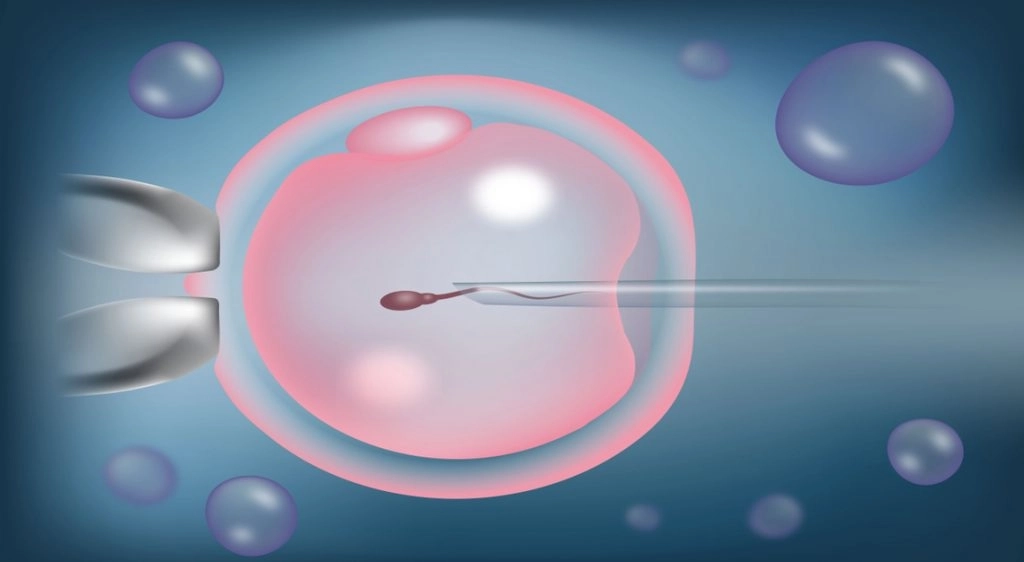
ICSI is one of the latest assisted reproduction techniques, used to treat infertility caused by low sperm quality or difficulties with natural fertilization. Dr. Dina Mostafa confirms that this technique represents a true breakthrough in infertility treatment, significantly increasing the chances of pregnancy even in complex and difficult cases.
ICSI is a medical procedure in which a single sperm is injected directly into an egg using a high-precision microscope and specialized instruments. Dr. Dina Mostafa confirms that this method helps overcome problems with poor sperm motility or low sperm count, greatly improving fertilization chances.
ICSI is typically recommended in cases such as:
Low sperm quality, whether in motility or morphology.
Blocked fallopian tubes or uterine issues preventing natural fertilization.
Failed fertilization attempts with conventional IVF.
Genetic or chromosomal abnormalities in sperm or eggs.
Dr. Dina Mostafa confirms that identifying the main cause of infertility before performing ICSI significantly increases the success rate.
Ovarian Stimulation: Using medications to produce multiple eggs.
Egg Retrieval: Eggs are collected from the ovary under mild anesthesia.
Sperm Preparation: Selecting the best sperm from the sample provided.
Egg Injection: A single sperm is injected directly into the egg using a precision microscope.
Fertilization Monitoring: Embryo growth is monitored in the lab for 3-5 days.
Embryo Transfer: The best embryos are transferred to the uterus to achieve pregnancy.
Dr. Dina Mostafa confirms that each step requires precision and expertise to ensure the highest success rates.
Increases pregnancy chances even in severe male infertility cases.
Reduces the risk of fertilization failure compared to conventional IVF.
Allows precise monitoring of embryo development before transfer.
Suitable for couples with unexplained infertility.
Dr. Dina Mostafa confirms that ICSI gives hope to couples who may have lost hope of natural conception.
Follow the doctor’s instructions regarding medications and tests.
Maintain a healthy diet rich in vitamins and minerals.
Avoid smoking, alcohol, and stress.
Attend regular follow-ups after embryo transfer to ensure maternal and fetal health.
Dr. Dina Mostafa confirms that following these recommendations increases pregnancy success rates and reduces complications.