

Published on: 2025-11-17 | Written by: Dr. Muhammad Al-Suda, Rheumatology
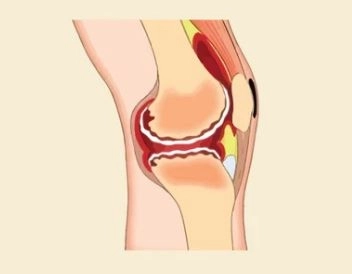
Rheumatism is one of the most common chronic conditions that directly affects the joints, muscles, and connective tissues, causing pain, swelling, and difficulty in movement. Dr. Mohamed El-Soda confirms that rheumatism is not a single disease but a broad group of disorders that vary in severity, symptoms, and impact on a patient’s life.
Rheumatism refers to chronic inflammation that may affect the joints, tendons, muscles, or even internal organs in some cases. Dr. Mohamed El-Soda confirms that early diagnosis plays a crucial role in preventing joint damage and significantly reducing pain.
The causes vary from one patient to another, but the most common include:
Genetics play a major role in increasing the likelihood of developing rheumatic diseases.
Where the immune system mistakenly attacks the body’s own tissues.
Certain infections may trigger chronic inflammation that leads to rheumatism.
Such as smoking, cold exposure, and unhealthy lifestyle habits.
Dr. Mohamed El-Soda confirms that identifying the underlying cause helps greatly in choosing the most appropriate treatment for each patient.
Joint pain
Swelling and redness
Morning stiffness
General fatigue
Muscle weakness
Difficulty moving
Dr. Mohamed El-Soda confirms that if these symptoms persist for more than two weeks, patients should seek medical attention immediately to prevent joint deterioration.
An autoimmune disease that causes chronic inflammation and may affect multiple joints at once.
An autoimmune disease that can affect the joints, skin, and kidneys.
A degenerative condition where cartilage wears down, causing pain and stiffness, especially with age.
Caused by high uric acid levels and typically presents with severe pain in the big toe.
Affects the spine and causes chronic lower back pain and morning stiffness.
Dr. Mohamed El-Soda confirms that each type requires a different treatment plan, making accurate diagnosis essential.
Diagnosis typically relies on:
Clinical examination
Blood tests such as ESR and CRP
X-ray imaging
Ultrasound
MRI
Dr. Mohamed El-Soda confirms that modern diagnostic tools allow doctors to detect the disease early—often before significant joint damage occurs.
Used to reduce pain and swelling.
Help control the activity of the disease and prevent joint destruction.
Among the most advanced and effective options for severe rheumatoid arthritis.
Improves joint mobility and strengthens surrounding muscles.
Includes reducing salt intake, avoiding fatty meats, and consuming anti-inflammatory foods.
Such as joint replacement when the damage is severe.
Dr. Mohamed El-Soda confirms that choosing the right treatment must be tailored carefully to each patient to avoid long-term complications.
Regular light exercise
Maintaining a healthy weight
Avoiding smoking
Reducing physical strain
Getting enough sleep
Eating foods rich in anti-inflammatory properties such as fish and olive oil
Dr. Mohamed El-Soda confirms that following these tips significantly reduces pain and prevents the condition from worsening.