
Published on: 2025-06-15 | Written by: Dr. Mohamed Refaat, Consultant the Department
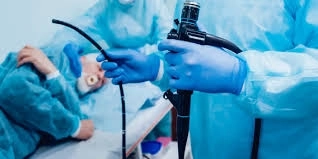
Laparoscopic surgery is one of the most advanced surgical techniques used to treat various medical conditions. It offers major advantages such as reduced pain, lower infection risk, and faster recovery compared to traditional open surgery.
Dr. Mohamed Refaat, specialist in general surgery and advanced laparoscopic procedures, shares practical and effective tips to help patients recover quickly and safely after their operations.
Laparoscopy is a minimally invasive procedure where a small camera and surgical tools are inserted through tiny incisions in the body, allowing the surgeon to operate without a large open wound.
It is commonly used for:
Appendicitis
Gallbladder removal
Hernia repair
Intestinal inflammation
Abdominal adhesions
Dr. Mohamed Refaat is known for his expertise in performing such surgeries with high precision and minimal trauma.
Take complete rest during the first two days and avoid any physical exertion.
Start walking gently at home after 24 hours to improve circulation and prevent blood clots.
Take antibiotics and painkillers exactly as prescribed by your doctor.
Begin with light, easy-to-digest meals and return to a normal diet once your doctor allows.
Keep the surgical sites clean and dry, and monitor for any signs of infection like redness or swelling.
Do not lift heavy objects for at least two weeks post-surgery.
Dr. Mohamed Refaat stresses the importance of follow-up consultations to ensure proper healing and recovery.
Contact your doctor immediately if you experience:
High fever
Severe pain
Redness, swelling, or discharge from the incision
Shortness of breath or dizziness
“Laparoscopic surgery offers a faster healing process, but real recovery starts after the operation. Following your doctor’s instructions is the key to safe and successful outcomes.”