

Published on: 2025-11-13 | Written by: Dr. Ahmed El-Sayed Basyouni General Surgery
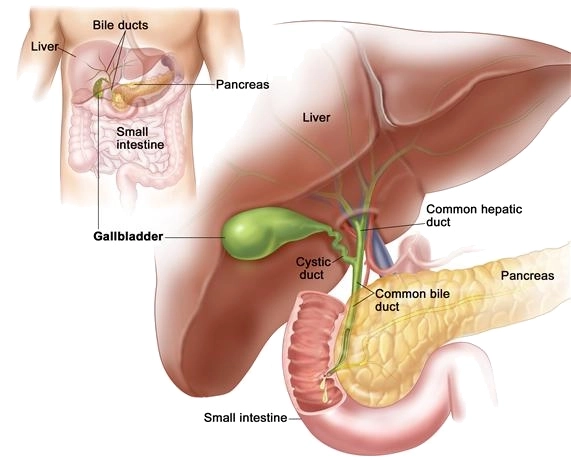
Gallbladder and appendix removal surgeries are among the most common abdominal procedures. They play a vital role in treating infections and conditions that could threaten a patient’s health. These surgeries aim to remove the affected or inflamed organ safely and efficiently while preserving surrounding tissues and minimizing complications.
Dr. Ahmed El Sayed Bassiouny, Professor of General Surgery and Consultant of Glands, Tumors, and Endoscopic Surgery, emphasizes that choosing the right surgical method and using advanced techniques leads to excellent outcomes and significantly faster recovery.
The gallbladder is a small organ located under the liver that stores bile. It can develop stones or chronic inflammation, causing severe pain and digestive issues.
Formation of gallstones that block the bile ducts.
Acute or chronic gallbladder inflammation.
Rare gallbladder tumors.
Dr. Ahmed El Sayed Bassiouny stresses that early intervention is essential to prevent complications such as pancreatitis or severe infection, and laparoscopic surgery is the preferred method for most cases because it reduces pain and speeds up recovery.
Laparoscopic Surgery: Performed through small incisions, using a camera to view and remove the gallbladder precisely.
Open Surgery: Used in complex cases or severe inflammation.
Dr. Ahmed El Sayed Bassiouny confirms that laparoscopy is the most common approach today as it minimizes complications and allows patients to return quickly to normal life.
The appendix is a small tube in the lower right abdomen that can become inflamed, known as appendicitis, which is a medical emergency requiring surgical removal to prevent rupture or severe infection.
Sudden pain in the lower right abdomen.
Nausea, vomiting, and loss of appetite.
Fever.
Dr. Ahmed El Sayed Bassiouny emphasizes that early diagnosis and timely removal of the appendix protect the patient from serious complications such as rupture or peritonitis, and laparoscopic appendectomy is the first-choice method in most cases.
Small incisions and minimal scarring.
Reduced postoperative pain.
Faster recovery and return to normal activities.
Lower risk of infection and other complications.
Dr. Ahmed El Sayed Bassiouny explains that laparoscopic surgery has become the gold standard for gallbladder and appendix removal, offering excellent outcomes and high patient safety.
After gallbladder or appendix removal, patients are advised to:
Rest for a short period and gradually resume activity.
Follow a light diet during the first days after surgery.
Attend regular follow-ups to ensure complete healing.
Dr. Ahmed El Sayed Bassiouny stresses that adhering to postoperative instructions and regular medical check-ups helps prevent complications and promotes faster recovery.