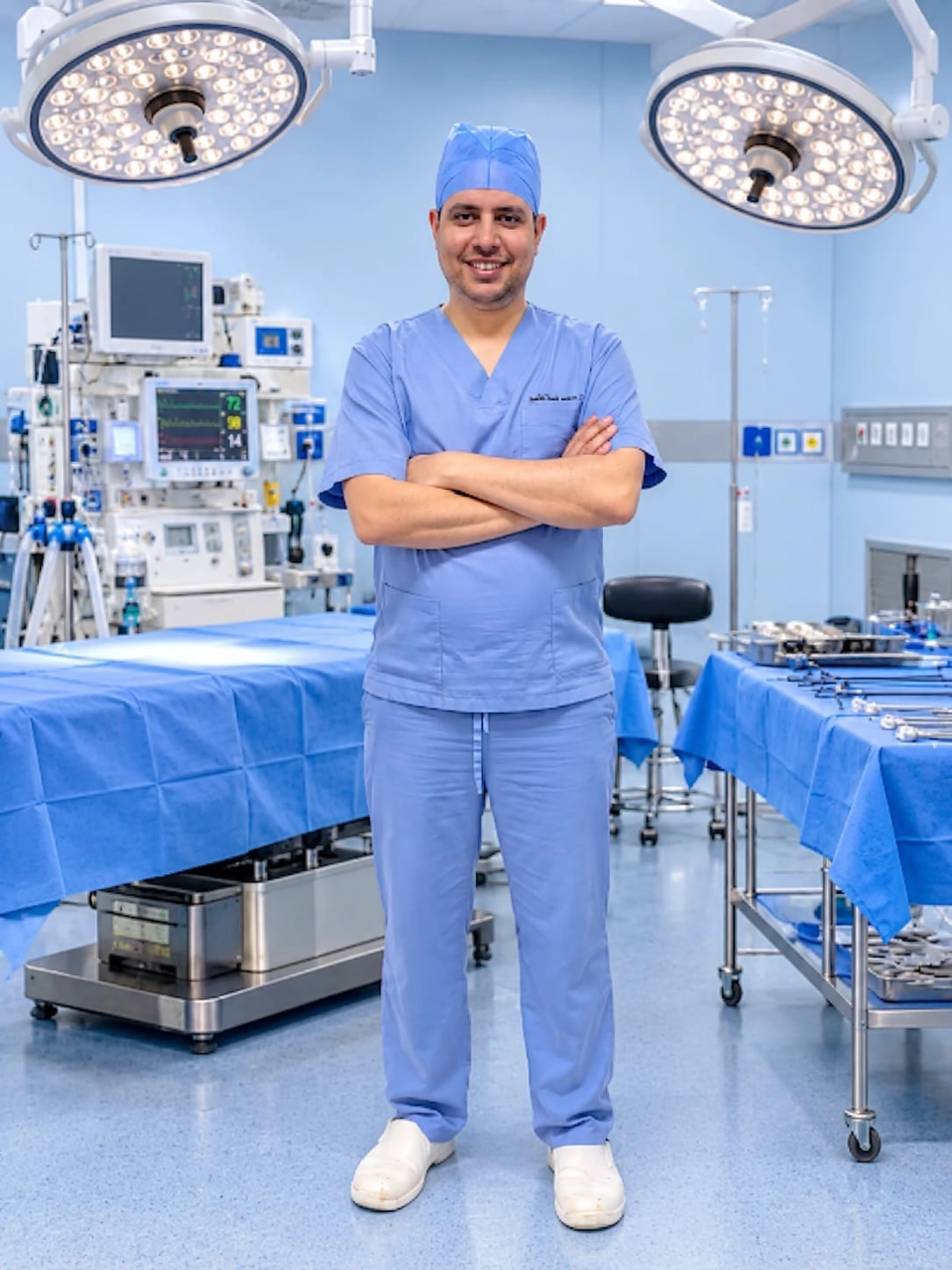
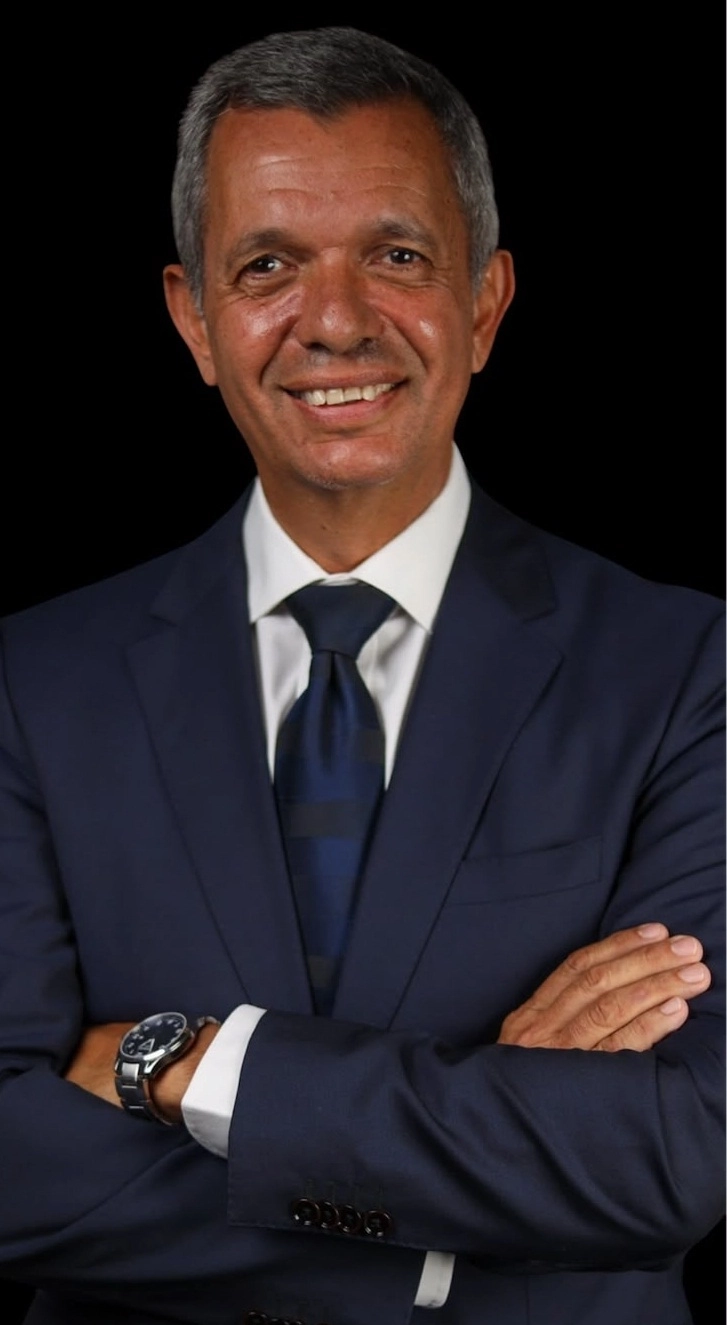
Published on: 2025-11-13 | Written by: Dr. Ahmed El-Sayed Basyouni General Surgery

The face and neck region is considered one of the most complex and sensitive areas of the human body; it houses an intricately intertwined network of major blood vessels, vital nerves responsible for facial expressions and vocal cord movement, as well as endocrine, salivary glands, and lymph nodes. Consequently, any surgical intervention in this area requires exceptional skill, precise anatomical knowledge, and a superior ability to handle procedures with utmost professionalism to ensure optimal therapeutic and aesthetic outcomes without compromising the patient's vital functions.
In this comprehensive guide, we shed light on the world of advanced face and neck surgeries, their importance, types, and the standards that make choosing a competent surgeon the primary line of defense to ensure safety and success.
Face and neck surgeries encompass a wide range of delicate procedures aimed at treating pathological conditions, tumors, and deformities affecting the tissues of the neck, face, and various glands. The indications for these procedures are categorized into several main axes:
Salivary Gland Tumors: Such as benign or malignant tumors affecting the parotid gland or the submandibular gland, which require precise excision while preserving the facial nerve (cranial nerve VII) responsible for facial expressions.
Thyroid and Parathyroid Diseases and Tumors: Resecting tumors or enlargements that compress the airway or esophagus in the neck.
Soft Tissue Tumors and Lymph Node Dissection: Managing abnormal enlargements or cancerous tumors appearing in the neck that require precise clearance or neck dissection.
Advanced Functional and Aesthetic Surgeries: Repairing defects resulting from injuries or tumors, utilizing the latest techniques to ensure the least possible visible scarring.
Face and neck surgeries possess a unique specificity dictated by the nature of the tissues; a simple error or insufficient care can lead to uncomfortable complications such as:
Weakness or injury to the facial nerve (affecting facial expressions and smiling).
Permanent hoarseness due to impact on the recurrent laryngeal nerves.
Noticeable scars in prominent areas of the face and neck.
Therefore, these surgeries rely entirely on profound academic and practical experience, alongside the use of surgical magnification techniques and modern nerve monitoring devices that ensure the protection of delicate tissues throughout the procedure.
Due to the sensitivity and high precision of these operations, their success is closely tied to the surgeon's competence and accumulated field experience. In this context, Prof. Dr. Ahmed El-Sayed Basiony—Professor of General Surgery and Consultant of Endocrine, Oncology, Laparoscopic, and Facial Surgery at the Faculty of Medicine, Alexandria University—stands out as one of the prominent medical authorities in this delicate field.
Dr. Ahmed El-Sayed Basiony possesses an extensive record of long academic and practical experience that enables him to handle the most complex cases of face and neck tumors and surgeries, relying on:
Comprehensive and Accurate Diagnosis: Evaluating the condition using the latest imaging modalities and pathological tests prior to formulating the surgical plan.
Adherence to the Highest Safety Standards: Protecting vital nerves and blood vessels during tumor excision with extreme precision.
Focus on the Aesthetic Aspect: Designing surgical incisions within natural skin folds to minimize scarring as much as possible and preserve the aesthetic appearance of the face and neck.
Face and neck surgeries require careful monitoring during the convalescence period to ensure optimal tissue healing:
Immediate Medical Monitoring: Ensuring the stability of vital signs, breathing functions, and speech immediately after waking from anesthesia.
Wound Care and Dressings: Keeping the incision site clean and dry while strictly following the doctor's instructions regarding specialized medical creams or adhesive strips designed to minimize scar appearance.
Rest and Avoiding Strenuous Exertion: Refraining from sudden neck movements or lifting heavy objects during the first few weeks following surgery.
Periodic Follow-Up: Adhering to scheduled check-up appointments to monitor tissue healing and review histopathological test results if applicable.
Face and neck surgeries represent a precise intersection between refined surgical science and meticulous aesthetic artistry dedicated to the patient's features and general health. By choosing a surgeon with extensive experience and high academic competence such as Prof. Dr. Ahmed El-Sayed Basiony, the patient is guaranteed the highest levels of safe, precise care toward complete recovery and an improved quality of life.