Published on: 2025-11-12 | Written by: Dr. Mohamed Dweidar Gastroenterology
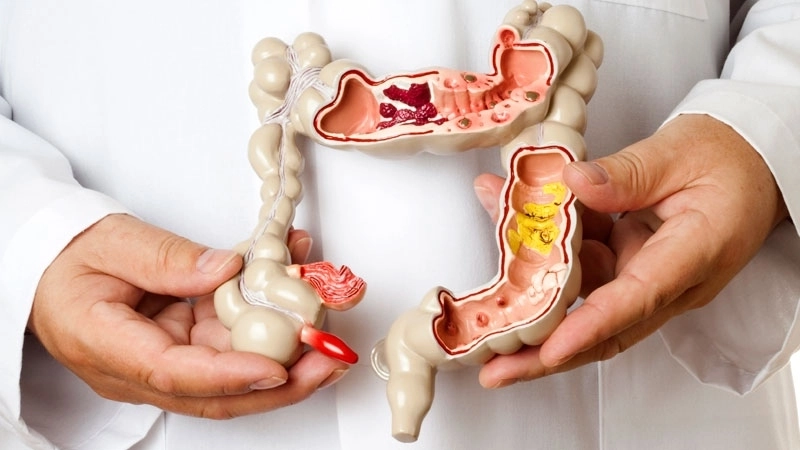
Irritable Bowel Syndrome (IBS) and Ulcerative Colitis (UC) are among the most common gastrointestinal disorders, significantly affecting patients’ quality of life. Symptoms can range from abdominal pain and bloating to chronic diarrhea or constipation, and some cases require careful medical monitoring and specialized treatment.
Dr. Mohamed Dweidar emphasizes that early diagnosis and accurately determining the type of disease are crucial for creating an effective treatment plan, and neglecting these conditions can lead to serious long-term complications.
Irritable Bowel Syndrome (IBS)
A functional disorder of the intestines that does not cause severe inflammation or tissue changes.
Characterized by recurrent abdominal pain, altered bowel habits, and bloating.
Dr. Mohamed Dweidar stresses the importance of dietary adjustments and stress management techniques to improve symptoms.
Ulcerative Colitis (UC)
A chronic inflammatory disease affecting the colon and rectum, leading to ulcers and bleeding in some cases.
Symptoms include bloody diarrhea, abdominal pain, weight loss, and general fatigue.
Dr. Mohamed Dweidar confirms that regular follow-up and appropriate medication can reduce inflammation and prevent complications.
Severe psychological stress can exacerbate IBS symptoms.
Certain foods and drinks, such as caffeine, spicy foods, and dairy, may trigger symptoms.
Genetic predisposition and previous infections may contribute to the development of UC.
Dr. Mohamed Dweidar explains that understanding these factors helps patients better control their symptoms and improves their overall quality of life.
Diagnosis typically includes:
Detailed medical history and symptom assessment.
Laboratory tests including blood and stool analysis.
Colonoscopy to examine the mucosa and detect ulcers or inflammation.
Dr. Mohamed Dweidar stresses that accurate diagnosis is essential for determining the appropriate treatment for each patient.
Medication
Antispasmodics to relieve IBS pain.
Anti-inflammatory and immunosuppressive drugs for UC.
Dr. Mohamed Dweidar emphasizes that selecting the appropriate medication based on the type of disease and symptoms is key to controlling the condition.
Proper Nutrition
Avoiding foods that irritate the colon, consuming fiber in moderation, and drinking sufficient water.
Psychological Support
Relaxation techniques and meditation help reduce the impact of stress on IBS.
Surgery in Advanced Cases
For severe UC that does not respond to medication.
Maintain a healthy, balanced diet.
Have regular follow-ups with a gastroenterologist.
Avoid psychological stress and follow an active, healthy lifestyle.
Dr. Mohamed Dweidar emphasizes that following these guidelines along with specialized medical treatment helps patients reduce symptoms and prevent disease progression.