

A herniated disc is a common condition that can cause back pain, limit mobility, and interfere with daily activities. But did you know that certain exercises can help relieve these symptoms and improve spinal health? Strengthening the back and abdominal muscles plays an important role in supporting the vertebrae, improving spinal stability, and reducing the strain placed on the spine.However, not all exercises are suitable for every case of a herniated disc. Some movements may worsen the pain or aggravate existing symptoms. So, what are the best exercises to strengthen the back muscles for a herniated disc? Which exercises should be avoided? And how can you exercise safely depending on the severity of the condition?Find out everything you need to know in this article from Dalili Medical.
1. Do back-strengthening exercises help treat a herniated disc?
Yes. Therapeutic exercises may help improve the condition of patients with a herniated disc by strengthening the muscles that support the spine, improving spinal stability and flexibility, relieving pain, and enhancing mobility. However, these exercises do not necessarily eliminate the herniated disc itself.
2. What is the best exercise to strengthen the back muscles for people with a herniated disc?
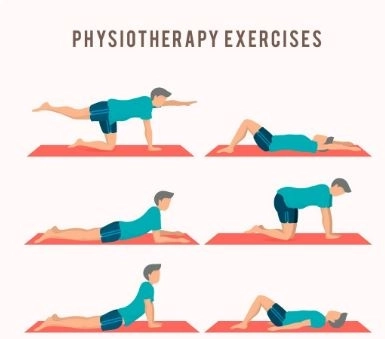
There is no single exercise that is considered the best for everyone, as the choice of exercises depends on the location and severity of the herniated disc and the associated symptoms. Some of the most commonly used exercises in rehabilitation programs include the Bird Dog, Glute Bridge, Pelvic Tilt, and deep abdominal muscle stabilization exercises.
3. Is walking beneficial for people with a herniated disc?
Yes. Walking is a low-impact physical activity that may help improve blood circulation, maintain flexibility and mobility, and reduce muscle stiffness. Patients are advised to start with short walking sessions and gradually increase their duration according to their physical ability, while avoiding continued walking if it worsens their pain.
4. How often should back exercises be performed to treat a herniated disc?
The recommended exercise frequency varies depending on the patient's condition, the severity of the herniated disc, physical fitness, and the type of exercises performed. Therefore, it is best to develop a gradual rehabilitation program in consultation with a physical therapist, while avoiding muscle strain or continuing exercises that increase pain or worsen symptoms.
5. Can you perform back exercises while experiencing herniated disc pain?
Yes. Some gentle therapeutic exercises may be performed by people with a herniated disc, provided they are suitable for the patient's condition and do not increase pain. Movements that intensify pain or cause it to radiate into the legs or arms should be avoided. In cases of severe pain, patients should consult a doctor to assess their condition and determine whether exercising is appropriate.
6. Are stretching exercises beneficial for people with a herniated disc?
Yes. Stretching exercises may help improve muscle flexibility and reduce muscle tension around the spine, which can enhance mobility and relieve stiffness. However, these exercises should be selected carefully because certain movements, particularly those involving excessive forward bending, may increase pain and aggravate symptoms in some patients.
7. Are abdominal strengthening exercises important for people with a herniated disc?
Yes. The deep abdominal muscles play an important role in stabilizing the trunk and supporting the spine. Therefore, strengthening these muscles is considered an essential component of rehabilitation programs for many patients with a herniated disc. Suitable exercises include abdominal bracing and core stabilization exercises, while repetitive spinal flexion exercises should be avoided if they cause pain or worsen symptoms.
8. Can you work out at the gym if you have a herniated disc?
Yes. Some people with a herniated disc may be able to continue working out at the gym after their condition has been assessed and suitable activities have been identified. Exercise weights and techniques should be modified, and movements that place excessive loads on the spine or aggravate symptoms should be avoided. It is also advisable to return to exercise gradually under the supervision of a qualified professional.
9. Does swimming help strengthen the back muscles in people with a herniated disc?
Swimming and water-based exercises may help improve physical fitness, strengthen muscles, and increase overall flexibility while reducing the load on the spine due to the buoyancy of water. However, patients should choose a swimming style that suits their condition and avoid movements that increase back pain or irritate the nerves.
10. How long does it take to see results from back-strengthening exercises for a herniated disc?
The time required to see results varies from person to person, depending on the severity of the herniated disc, the nature of the symptoms, and how consistently the patient follows the exercise and physical therapy program. Some patients may notice gradual improvement within a few weeks, while others may require a longer rehabilitation period to achieve noticeable improvements in pain, mobility, and the ability to perform daily activities.
11. Can exercise make a herniated disc worse?
Yes. Certain inappropriate exercises or movements performed incorrectly may increase pain or irritate the nerves, particularly when using heavy weights or repeatedly performing bending and twisting movements that are unsuitable for the patient's condition. Therefore, exercises should be selected according to the location of the herniated disc and the severity of symptoms, with proper technique and guidance from a physical therapist when necessary.
12. Can a herniated disc be treated with exercise without surgery?
Yes. Many cases of herniated discs can be treated without surgery through conservative treatment, which may include appropriate medications, physical therapy, therapeutic exercises, and modifications to daily activities. However, some cases may require surgical intervention, particularly when there is severe nerve compression, progressive muscle weakness, or persistent symptoms despite conservative treatment.
13. Are exercises beneficial for all degrees of herniated disc?
Not all exercises are suitable for every case of a herniated disc. The choice of exercises and whether they can be performed depend on the location of the herniation, symptom severity, the extent of nerve involvement, and the patient's overall health.
In many cases, appropriate therapeutic exercises can help strengthen the muscles supporting the spine, improve flexibility and mobility, and relieve pain. However, when severe symptoms are present, such as muscle weakness or worsening neurological symptoms, the patient should undergo a medical evaluation before exercising. The rehabilitation program may need to be modified, or certain movements temporarily postponed, according to the recommendations of the doctor and physical therapist.
Suitable exercises vary from one patient to another depending on the location of the herniated disc, symptom severity, and the extent of nerve involvement. The following provides a general overview:
1. Mild herniated disc: Gentle exercises, appropriate stretching, and back and abdominal strengthening exercises may help improve mobility and support the spine, while avoiding movements that increase pain or aggravate symptoms.
2. Moderate herniated disc: Patients may need a personalized rehabilitation program that includes exercises to strengthen the muscles and improve spinal stability and flexibility. This program should preferably be developed and monitored by a physical therapist.
3. Severe herniated disc: Patients should not perform exercises randomly in these cases. Instead, a medical evaluation is necessary to determine which movements and activities are appropriate, particularly when nerve compression, muscle weakness, or worsening neurological symptoms are present.
Some people with a herniated disc may be able to exercise at the gym. However, exercises and equipment should be selected carefully, taking the patient's health condition into account and avoiding movements that increase pressure on the spine.
The following guidelines are particularly important:
- Choose appropriate equipment: Machines that allow controlled movements and provide adequate body support are generally preferable, provided they are suitable for the patient's condition. The Leg Press machine, for example, is not necessarily safer than free-weight squats in every case.
- Avoid heavy weights: Patients should avoid lifting heavy weights and performing movements that involve bending the back or lifting weights from the floor in ways that place excessive strain on the spine.
- Start gradually: It is advisable to begin with light resistance and a comfortable range of motion, then gradually increase exercise intensity according to the body's tolerance and the physical therapist's recommendations.
- Pay attention to symptoms: Stop exercising if it causes increased pain, numbness, or pain radiating into the leg. Consult a doctor or physical therapist to identify the cause and adjust the exercise program.
Certain exercises and movements may increase pressure on the intervertebral discs or irritate the nerves in some people with a herniated disc, particularly those involving excessive bending, repeated twisting, heavy lifting, or repetitive jumping and landing.
Therefore, these exercises should be avoided or modified depending on the location of the herniated disc, symptom severity, and the patient's response to movement.
Some exercises that may be unsuitable for certain patients include:
1. Deadlift
This exercise involves lifting weights from the floor and may place considerable strain on the lower back, particularly when using heavy weights or losing control of spinal alignment during the lift.
2. Weighted Squats
Performing squats with heavy weights or descending too deeply while losing proper back alignment may increase the load on the spine, potentially worsening pain in some patients.
3. Traditional Abdominal Exercises (Sit-Ups)
These exercises involve repeated spinal flexion, which may increase pain or irritate the nerves in patients whose symptoms worsen when bending forward.
4. Standing Toe Touches
This exercise requires bending forward while keeping the legs extended. It may increase tension on the nerves and surrounding spinal tissues, particularly in people experiencing pain radiating into the leg or sciatic nerve irritation.
5. Russian Twists
This exercise involves repeated trunk rotation and may increase lower back strain, especially when twisting is combined with bending or when weights are used.
6. Jump Rope Exercises
These exercises involve repeated jumping and impact as the feet hit the ground, which may increase discomfort in patients who cannot tolerate high-impact activities or repetitive movements.
7. Box Jumps
This exercise involves repeated jumping and landing, which may increase the load on the spine, particularly when landing incorrectly or when body movement is poorly controlled.
8. Back Hyperextension
This exercise involves extending the spine backward and arching the lower back. It may increase pain in people whose symptoms worsen with backward-bending movements. Therefore, it should be avoided or modified according to the patient's response and the physical therapist's assessment.
No. Completely avoiding physical activity is not necessary in most cases of a herniated disc. In fact, appropriate physical activity may help improve mobility, strengthen the muscles that support the spine, and reduce pain and stiffness.
Strenuous exercises can be replaced with low-impact activities, such as:
Walking for short periods, gradually increasing the duration according to your physical ability.
Deep abdominal muscle activation and core stabilization exercises.
Glute-strengthening exercises.
Spinal rehabilitation exercises prescribed by a physical therapist.
Swimming or water-based exercises, provided they do not worsen symptoms.
Certain therapeutic exercises can help strengthen the muscles supporting the spine, improve core stability, and enhance mobility. However, exercises should be selected according to the patient's condition and tolerance to each movement.
Some of the most commonly recommended exercises include:
This exercise helps activate the abdominal muscles and improve pelvic control, which supports lower back stability.
How to perform it:
Lie on your back with your knees bent and feet flat on the floor.
Gently tighten your abdominal muscles and tilt your pelvis so that your lower back moves closer to the floor.
Hold the position for a few seconds, then relax and repeat.
This exercise targets the back and abdominal muscles while helping improve balance and spinal stability.
How to perform it:
Start on your hands and knees, keeping your back straight.
Extend your right arm forward and your left leg backward at the same time.
Keep your core stable for a few seconds, then return to the starting position and switch sides.
This exercise targets the gluteal muscles and helps strengthen the muscles that support the pelvis and lower back.
How to perform it:
Lie on your back with your knees bent and feet flat on the floor.
Tighten your abdominal and gluteal muscles, then gradually lift your hips until your torso and thighs form a relatively straight line.
Hold for a few seconds, then slowly lower your hips back to the floor.
This exercise helps activate the deep core muscles responsible for stabilizing the trunk and supporting the spine.
How to perform it:
Lie on your back with your knees bent and feet flat on the floor.
Gently tighten your abdominal muscles as if preparing to receive a light push to your stomach.
Hold the contraction for a few seconds while breathing normally, then relax.
This exercise helps strengthen the lateral core muscles and improve spinal and pelvic stability.
How to perform it:
Lie on your side with your knees bent.
Support your upper body on your forearm, keeping your elbow directly beneath your shoulder.
Gently lift your hips off the floor while keeping your body aligned from your shoulders to your knees.
Hold for a few seconds, then slowly lower your hips and repeat on the opposite side.
Also known as the McKenzie extension exercise, this movement may help some patients whose symptoms improve with spinal extension. However, it is not suitable for every case of a herniated disc.
How to perform it:
Lie on your stomach and place your hands beside your shoulders.
Gradually raise your upper body by pushing through your hands while keeping your pelvis in contact with the floor.
Lift your chest as far as comfortable without forcing your lower back to arch.
Slowly return to the starting position.
Stop the exercise if your pain increases or begins to radiate into your leg. Only perform it if it is appropriate for your condition, according to your physical therapist's recommendations.
This exercise helps improve spinal flexibility and gently mobilize the back muscles, potentially reducing stiffness.
How to perform it:
Start on your hands and knees, with your hands directly beneath your shoulders and your knees beneath your hips.
Gradually round your upper back toward the ceiling while gently lowering your head, forming the Cat position.
Gently lower your back while lifting your head and looking forward, without excessively arching your lower back.
Repeat the movement slowly within a comfortable range of motion.
This exercise helps strengthen the thigh and gluteal muscles, supporting body stability and improving the ability to perform everyday movements.
How to perform it:
Stand with your back against a wall, keeping your feet slightly away from it.
Move your feet forward to a comfortable distance.
Gradually bend your knees while sliding your back down the wall. Avoid lowering yourself to a position that causes pain.
Push through your feet to slowly return to a standing position.
This exercise helps activate the abdominal muscles and improve pelvic control while moving the legs.
How to perform it:
Lie on your back with your knees bent and feet flat on the floor.
Gently tighten your abdominal muscles to keep your pelvis stable.
Slowly lower one knee outward to the side while keeping your foot on the floor and preventing your pelvis from rotating.
Return your knee to the starting position, then repeat with the opposite leg.
This exercise helps activate the abdominal muscles and improve lower back stability while moving the legs.
How to perform it:
Lie on your back with your knees bent and feet flat on the floor.
Gently tighten your abdominal muscles while maintaining a comfortable lower back position.
Slowly slide one foot forward, gradually straightening your knee while keeping your heel in contact with the floor.
Return your foot to the starting position, then repeat with the opposite leg.
This exercise targets the deep abdominal muscles and helps improve core stability and coordination of limb movements.
How to perform it:
Lie on your back with your arms extended toward the ceiling and your legs raised, with your knees bent at approximately 90 degrees.
Slowly lower your right arm backward and your left leg forward while keeping your core stable.
Return your arm and leg to the starting position, then repeat with your left arm and right leg.
Avoid excessive arching of your lower back during the exercise.
This exercise helps activate the deep abdominal muscles and improve lower back stability while moving the legs.
How to perform it:
Lie on your back with your knees bent and feet flat on the floor.
Gently tighten your abdominal muscles while continuing to breathe normally.
Lift one foot slightly off the floor while keeping your knee bent.
Slowly return your foot to the floor, then repeat with the opposite leg.
This exercise may help some patients gradually adapt to a gentle spinal extension position, particularly if their symptoms improve in this position.
How to perform it:
Lie on your stomach on a comfortable, flat surface.
Place a small pillow under your abdomen if you feel uncomfortable.
Relax and breathe normally.
Maintain this position for a short period as long as it does not increase pain or cause it to radiate into your leg.
This exercise helps improve gluteal and hip flexibility while reducing muscle tightness around the pelvic region.
How to perform it:
Lie on your back with your knees bent and feet flat on the floor.
Place the ankle of one foot over the opposite knee, forming a figure-four shape with your legs.
Hold the lower thigh with both hands and gently pull it toward your chest.
Hold the position without overstretching, then slowly return to the starting position and repeat with the opposite leg.
Avoid this exercise if it increases radiating leg pain or causes numbness.
This exercise helps strengthen the middle back muscles and the muscles surrounding the shoulder blades, improving upper body strength and sitting and standing posture.
How to perform it:
Sit on a stable chair or stand in a balanced position, keeping your back straight.
Secure a resistance band safely in front of you and hold both ends with your hands.
Pull the band toward your torso while squeezing your shoulder blades together.
Slowly return your arms to the starting position without leaning your torso backward.
This exercise helps strengthen the calf muscles and improve balance and stability while standing and walking.
How to perform it:
Stand upright while holding a stable chair or surface for balance.
Gradually raise your heels off the floor until you are standing on your toes.
Hold for a few seconds, then slowly lower your heels until they touch the floor.
Repeat while keeping your body upright.
This exercise helps improve lower back mobility and trunk flexibility in some patients, provided that twisting does not worsen their symptoms.
How to perform it:
Lie on your back with your knees bent and feet flat on the floor.
Slowly move both knees together toward one side within a comfortable range of motion.
Return your knees to the center, then repeat on the opposite side.
Keep the movement gentle and limited, avoiding forced twisting of the lower back.
This exercise may not be suitable for people whose pain or neurological symptoms worsen with twisting movements.
Walking is a low-impact physical activity that may help people with a herniated disc maintain physical activity, improve cardiovascular and muscular fitness, and reduce stiffness caused by inactivity.
How to perform it:
Start by walking for short periods on a flat, suitable surface.
Maintain an upright and comfortable posture, avoiding long or fast strides if they cause pain.
Gradually increase your walking duration according to your ability and how your body responds.
Stop if pain increases or if numbness or worsening leg weakness develops.
This exercise targets the gluteal muscles and helps support the pelvis and improve body stability while standing and moving.
How to perform it:
Stand upright while holding a stable chair for balance.
Slowly move one leg backward while keeping your back straight and avoiding excessive lower back arching.
Hold for a few seconds, then return your leg to the starting position.
Repeat with the opposite leg.
This exercise helps strengthen the outer hip muscles, improving pelvic stability and supporting movement while walking.
How to perform it:
Stand beside a stable chair and hold it with one hand.
Slowly lift one leg out to the side while keeping your body upright.
Avoid leaning your torso or rotating your pelvis during the movement.
Gradually return your leg to the starting position, then repeat with the opposite leg.
This exercise helps improve the flexibility of the hamstring muscles and may relieve muscle tightness associated with certain cases of lower back pain.
How to perform it:
Lie on your back and gradually raise one leg.
Place a towel behind your thigh or foot to help gently lift your leg.
Keep your knee slightly bent if this feels more comfortable.
Avoid overstretching and stop if you experience increased pain or pain radiating into your leg.
This exercise helps activate the abdominal muscles and improve pelvic control, supporting core stability.
How to perform it:
Lie on your back with your knees bent.
Lift your feet off the floor with your knees bent, if comfortable.
Slowly lower one foot until your heel touches the floor.
Return your foot to the starting position, then repeat with the opposite foot.
Keep your abdominal muscles engaged and maintain lower back stability as much as possible.
This exercise targets the core muscles and helps improve their ability to resist rotation, enhancing trunk and spinal stability during movement.
How to perform it:
Stand beside a resistance band securely anchored at chest height.
Hold both ends of the band with your hands in front of your chest.
Slowly extend your arms forward while keeping your core stable and preventing your body from rotating.
Hold briefly, then gradually bring your hands back toward your chest.
This exercise targets the abdominal muscles, which help stabilize the trunk and support the spine.
How to perform it:
Lie on your back with your knees bent and feet flat on the floor.
Place your hands across your chest.
Tighten your abdominal muscles, then gently lift your head and shoulders off the floor without excessively bending your back.
Slowly lower your upper body to the starting position.
Important note: This exercise is not suitable for every case of a herniated disc, particularly when spinal flexion increases pain or causes it to radiate into the leg.
This exercise helps improve hip joint mobility and trains the body to move the pelvis while maintaining a stable spinal position.
How to perform it:
Start on your hands and knees, with your hands directly beneath your shoulders and your knees beneath your hips.
Keep your back in a neutral position without excessively arching or rounding it.
Slowly move your hips backward toward your heels within a comfortable range of motion.
Gradually return to the starting position.
This exercise targets the outer gluteal muscles, helping strengthen the hip muscles and improve pelvic stability during movement.
How to perform it:
Lie on your side with your knees bent and stacked on top of each other.
Keep your feet together throughout the exercise.
Slowly lift your upper knee while keeping your pelvis stable and preventing your body from rolling backward.
Gradually lower your knee to the starting position.
Repeat, then lie on the opposite side to perform the exercise with your other leg.
This exercise trains the body to bend from the hip joints rather than relying excessively on lower back flexion, potentially improving movement mechanics during everyday activities.
How to perform it:
Stand with your feet approximately hip-width apart and your knees slightly bent.
Slowly push your hips backward while leaning your torso forward from the hip joints.
Maintain a neutral spine without excessively arching or rounding your back.
Gradually push your hips forward to return to a standing position.
This exercise helps improve breathing control and coordinate breathing with gentle activation of the deep core muscles, which contribute to body stability.
How to perform it:
Lie on your back in a comfortable position, with your knees bent if appropriate.
Place one hand on your abdomen to feel its movement while breathing.
Slowly inhale through your nose, allowing your abdomen to rise gently.
Exhale slowly while lightly tightening your abdominal muscles without holding your breath.
Repeat regularly while maintaining a relaxed posture.
This exercise targets the thigh and gluteal muscles, helping improve strength, balance, and the ability to perform everyday activities, such as getting up from a chair.
How to perform it:
Sit on a stable chair with your feet flat on the floor and comfortably spaced apart.
Lean your torso slightly forward from your hip joints while maintaining a neutral spine.
Push through your feet and gradually stand up.
Bend your knees and push your hips backward to slowly return to the seated position with controlled movement.