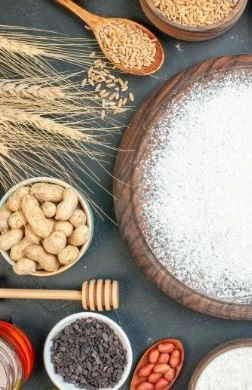
Whole wheat flour is considered one of the healthy dietary options that is very popular among followers of the “Al-Tayyibat” diet, due to its high nutritional value and many benefits for the body. It is made from whole wheat grains without removing any part of them, which makes it rich in fiber, vitamins, and essential minerals.Including it in the diet helps promote a feeling of fullness, supports digestive health, and provides the energy needed for daily activities. In this Dalyli Medical article, we will learn about whole wheat flour allowed in the “Al-Tayyibat” diet, its key benefits, ingredients, and the most important tips and recipes that can be prepared using it to enjoy a healthy and balanced diet.
- What is whole wheat flour?
Whole wheat flour is produced by grinding the entire wheat grain, including the bran, germ, and endosperm. This helps retain most of the nutrients and natural fiber found in the grain.
- What is the difference between whole wheat flour and white flour?
The main difference lies in the processing method. In white flour, the bran and germ are removed during refining, while whole wheat flour retains all parts of the grain, making it richer in fiber, vitamins, and minerals.
- Does whole wheat flour help with weight loss?
Whole wheat flour may help increase feelings of fullness for longer periods and reduce appetite. However, weight loss depends on following a balanced diet and a healthy lifestyle, not on a single food alone.
- Can whole wheat flour be used as a substitute for white flour?
Yes, it can be used in most recipes as a substitute for white flour. However, it absorbs more liquid, so recipes may require adjusting the amount of water or other liquids used.
- Is it suitable for people with diabetes?
Whole wheat flour is considered a better option than white flour because it contains more fiber, which may help regulate blood sugar levels. However, it should be consumed in moderation, and it is recommended to consult a doctor or nutritionist when needed.
- Does whole wheat flour contain gluten?
Yes, wheat-based whole wheat flour contains gluten. Therefore, it is not suitable for individuals with celiac disease or gluten sensitivity.
- Why is bread made from whole wheat flour darker in color?
The darker color comes from the presence of bran and germ, which are natural components of the wheat grain. These also give the bread a denser texture and higher nutritional value compared to white bread.
- How should whole wheat flour be stored?
It is recommended to store whole wheat flour in an airtight container in a cool, dry place away from moisture and direct sunlight. It can also be refrigerated or frozen when purchased in large quantities, as it contains natural oils that may spoil over time.
- Does whole wheat flour cause bloating?
Consuming whole wheat flour may cause bloating or gas in some individuals, especially when intake is suddenly increased or when large amounts are eaten. This is mainly due to its high dietary fiber content.
- Can children eat whole wheat flour?
Yes, whole wheat flour is considered a suitable food option for children as part of a balanced diet, due to its important nutritional benefits. However, it is necessary to ensure that there is no wheat allergy or other medical conditions.
- Can whole wheat flour be used in desserts?
Yes, whole wheat flour can be used to prepare many types of desserts such as cakes, cookies, muffins, and pancakes. However, the final baked goods may be denser and darker in color compared to those made with white flour.
- How much water is needed when kneading whole wheat flour?
Whole wheat flour usually requires more water than white flour because it absorbs liquids more effectively. Therefore, it is best to add water gradually while kneading until the desired dough consistency is achieved.
Ingredients of whole wheat flour in the “Al-Tayyibat” diet
Whole wheat flour is a nutrient-rich natural product, made from whole wheat grains without removing any of their components. This makes it more nutritious than refined white flour.
Main ingredients
Whole wheat flour consists mainly of:
- 100% whole wheat grains
- All natural parts of the grain without separation or refining
Components of the whole wheat grain
When the whole wheat grain is ground, the flour retains its three main components:
Bran: The outer layer of the grain, rich in dietary fiber that supports digestive health and increases satiety.
Germ: The inner part rich in vitamins, minerals, healthy fats, and antioxidants.
Endosperm: The largest part of the grain, which is the main source of carbohydrates and energy.
Possible additives in some commercial products
Some commercially available whole wheat flours may contain minor additives depending on the manufacturer, such as:
- Natural enzymes to improve dough quality and baking performance
- A mixture of other whole grains such as oats or barley in multi-grain products
- Natural ingredients to enhance texture and taste
What distinguishes true whole wheat flour?
When purchasing whole wheat flour, it is recommended to look for the label:
“100% Whole Wheat”
to ensure the product is made entirely from whole grains without refining.
What it usually does NOT contain
Pure whole wheat flour typically does not contain:
- Preservatives
- Bleaching agents or artificial whitening substances
- Unnecessary chemical additives
Therefore, it is considered a healthy choice for those seeking a balanced diet rich in fiber and natural nutrients.
Benefits of Whole Wheat Flour in the “Al-Tayyibat” Diet
Whole wheat flour is considered one of the healthy dietary choices that holds a special place in the “Al-Tayyibat” diet, thanks to its inclusion of all natural parts of the wheat grain. It also offers a higher nutritional value compared to refined white flour and provides many important health benefits for the body.
1. Rich in dietary fiber
Whole wheat flour contains a high amount of fiber, which helps improve digestion, reduce constipation, and increase feelings of fullness for longer periods. This supports weight control and reduces between-meal cravings.
2. Helps regulate blood sugar levels
Because it contains the bran, the carbohydrates in whole wheat flour are digested more slowly than those in white flour. This helps prevent rapid spikes in blood sugar after meals.
3. Supports heart and cardiovascular health
Whole wheat flour contributes to heart health due to its fiber content and important minerals such as magnesium, which may help reduce bad cholesterol levels and improve blood vessel function.
4. High nutritional value
Whole wheat flour retains many of the natural vitamins and minerals found in the wheat grain, including:
- B-complex vitamins
- Iron
- Zinc
- Magnesium
These nutrients play an essential role in supporting overall body functions and maintaining good health.
5. Helps with weight management
By increasing satiety and reducing hunger, whole wheat flour may help lower overall food intake and support weight loss programs when included in a balanced diet.
6. Improves digestive health
The fiber in whole wheat flour supports intestinal movement and promotes the growth of beneficial gut bacteria, which positively affects digestive health.
7. Good source of energy
Whole wheat flour provides the body with steady, slow-releasing energy, helping maintain activity and vitality throughout the day without sharp energy fluctuations.
8. Supports a healthy lifestyle
It is an ideal option for people aiming to follow a balanced and healthy diet, combining high nutritional value with versatility in many healthy recipes.
Types of Whole Wheat Flour in the “Al-Tayyibat” Diet
The “Al-Tayyibat” diet relies on whole grains and their nutrient-rich products. Whole wheat flour is one of the most important among them, and it comes in several types:
1. Whole wheat flour
The most commonly used type, made from the entire wheat grain.
Features:
- Contains bran, germ, and endosperm
- Rich in fiber, vitamins, and minerals
- Suitable for bread, pastries, and baked goods
2. Oat flour
Made from whole oats.
Features:
- High in dietary fiber
- Promotes satiety
- Suitable for pancakes, cookies, and healthy baking
3. Barley flour
Known for its high soluble fiber content.
Features:
- Supports digestive health
- May help maintain healthy cholesterol levels
- Used alone or mixed with wheat flour
4. Whole corn flour
Made from whole corn kernels.
Features:
- Good energy source
- Suitable for bread and traditional recipes
- Naturally gluten-free
5. Rye flour
Derived from whole rye grains.
Features:
- Rich in fiber
- Promotes long-lasting fullness
- Used in dark bread and traditional baked goods
6. Whole grain blends
These mixes combine several grains to enhance nutrition and flavor.
Examples include:
- Wheat + oats
- Wheat + barley
- Five-grain blends (wheat, oats, barley, corn, rye)
Disadvantages of Whole Wheat Flour
Despite its benefits, whole wheat flour may not be suitable for everyone in some cases:
1. May cause bloating and gas
Due to its high fiber content, especially when introduced suddenly into the diet.
2. Digestive discomfort
Some people with sensitive digestion may experience discomfort or indigestion.
3. Contains gluten
Since it is made from wheat, it is not suitable for people with celiac disease or gluten sensitivity.
4. May reduce mineral absorption
It contains phytic acid, which can slightly reduce absorption of minerals such as iron, zinc, and calcium.
5. May affect weight loss if overconsumed
Although healthy, it still contains carbohydrates and calories.
6. May not suit IBS patients
It can worsen symptoms like bloating and abdominal pain in some individuals.
Recipes Using Whole Wheat Flour in the “Al-Tayyibat” Diet
Whole wheat flour can be used in many healthy and delicious recipes:
- Whole wheat bread
- Whole wheat pancakes
- Healthy whole wheat pizza
- Whole wheat cookies
- Whole wheat flatbread (Saj bread)
- Whole wheat sandwich bread
- Thick whole wheat vegetable soup
- Whole wheat banana cake
- Vegetarian wheat flour kofta
Tips for Using Whole Wheat Flour
- Introduce it gradually into the diet
- Drink plenty of water
- Avoid overconsumption
- Prefer morning or daytime use
- Avoid deep frying
- Combine with protein and vegetables
- Be cautious if you have IBS
- Store in a cool, dry, airtight container
- Ensure it is labeled “100% whole wheat”
- Use it as part of a balanced diet, not alone