

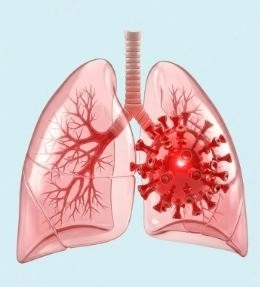
In recent years, the name Nipah virus has begun to attract the attention of scientists and public health experts worldwide as one of the emerging viruses that poses a serious health threat, despite its relatively rare occurrence. This virus, which is originally transmitted from animals to humans—especially from fruit bats of the genus Pteropus—can in some cases lead to severe illnesses, including encephalitis and respiratory failure, making it one of the most concerning viruses in the medical field.The danger of the Nipah virus lies in its ability to spread through multiple routes, whether from infected animals or through close human-to-human contact, in addition to the severity of symptoms that may develop rapidly in some cases. Although infections remain relatively rare, the high mortality rate observed in certain outbreaks makes it a major focus of researchers.In this context, this introduction aims to shed light on the nature of the Nipah virus, how the disease manifests, its modes of transmission, and the reasons it is considered one of the most dangerous emerging viruses, as well as the importance of prevention and raising awareness about its threat to public health.
What is Nipah Virus?
Nipah virus (or Henipavirus) is a zoonotic virus belonging to the genus Henipavirus within the family Paramyxoviridae. It is an RNA virus that was first identified in 1998 in Malaysia during an outbreak linked to pig farmers. Fruit bats of the genus Pteropus are considered the natural reservoir of the virus and play a key role in its transmission.
Nipah virus is typically transmitted from animals to humans, either directly from infected bats or through intermediate hosts such as pigs. It can also spread from person to person through close contact with infected individuals or exposure to their body fluids. The disease can range from asymptomatic infection to severe respiratory illness and acute encephalitis, which can be fatal in some cases.
Incubation period:
Usually ranges from 4 to 14 days, but in some cases it may be longer.
Yes, Nipah virus is considered highly dangerous. Some outbreaks have shown high mortality rates, making it a serious global public health concern.
There is currently no approved vaccine for widespread public use, although research is ongoing to develop effective vaccines and treatments.
There is no specific antiviral treatment approved for Nipah virus infection. Care is mainly supportive, focusing on managing symptoms and complications.
No, there is no scientific evidence that herbs or natural remedies can treat or prevent Nipah virus infection.
Diagnosis is done through specialized laboratory tests, such as RT-PCR (polymerase chain reaction) and antibody detection tests in blood samples.
Not necessarily. Some cases may be mild or asymptomatic, while others can develop severe and life-threatening illness.
Yes, prevention includes avoiding contact with infected animals, washing fruits thoroughly, avoiding contaminated food, and maintaining good personal hygiene.
No, Nipah virus does not spread as easily as influenza or other common respiratory viruses, but it can spread through close and direct contact.
Most outbreaks have occurred in Malaysia, Bangladesh, and India, with occasional cases reported in other regions.
Yes, fruits are safe to eat if they are properly washed, intact, and not contaminated by animals.
Medical attention should be sought immediately if severe fever occurs along with neurological symptoms (such as confusion or seizures) or severe respiratory symptoms, especially after possible exposure.
Yes, some patients recover, but the disease can be severe, and survivors may experience long-term neurological complications.
Nipah virus is a zoonotic disease, meaning it is transmitted from animals to humans. The main natural reservoir is fruit bats of the genus Pteropus, which carry the virus without becoming ill.
Symptoms usually appear after an incubation period of 4 to 14 days, but may sometimes take longer.
Early symptoms:
Respiratory symptoms:
When the virus reaches the central nervous system, the following may occur:
There are no many distinct “types” of Nipah virus in the traditional sense like some other viruses. However, scientists generally distinguish between two main strains:
Nipah virus spreads through several main routes:
Fruit bats of the genus Pteropus are the natural reservoir of the virus. Transmission may occur through:
There is no strong scientific evidence that Nipah virus spreads through long-distance airborne transmission like highly contagious respiratory viruses.
However, it can spread through close-range respiratory droplets and direct contact, which is why strict infection control measures are essential when dealing with infected patients.
The incubation period usually ranges from 7 to 21 days after exposure, depending on the individual and the severity of infection.
Diagnosis is based on clinical symptoms, exposure history, and laboratory testing, since symptoms alone are not enough to confirm infection.
If encephalitis is suspected:
There is currently no specific approved antiviral treatment for Nipah virus. Management is mainly supportive.
Prevention focuses on avoiding exposure, since no licensed vaccine is available yet.
In outbreak areas (e.g., Bangladesh, India):
Seek immediate medical attention if the following occur:
especially after possible exposure or travel to affected regions.