

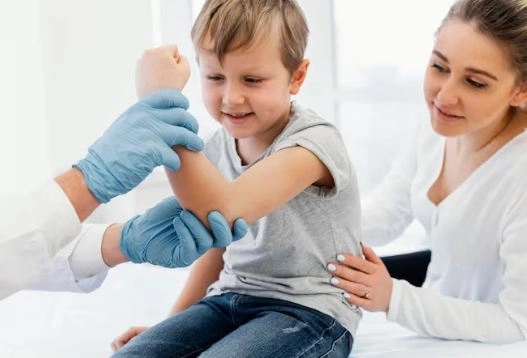
Growth plate fractures in children Do they actually affect height


During childhood and adolescence, bones are still in a growth phase, which makes children more vulnerable to a specific type of injury called growth plate fractures. These fractures may look simple at first, but their impact can sometimes be greater than expected, because they occur in the area responsible for bone growth and increasing height.This type of injury can happen due to a strong blow, a fall while playing, or even minor sports accidents. That’s why many parents may not notice it at the beginning. But an important question remains: can this fracture affect a child’s future height? And when should it be considered serious and require urgent medical attention?In this article from Dalili Medical, we will learn about growth plate fractures in children: their causes, symptoms, treatment options, and whether they can actually affect or stop growth in height.

What are growth plate fractures (physeal fractures)?
Growth plate fractures are injuries that occur in the cartilage located at the ends of long bones in children and adolescents. The growth plate is the weakest part of the bone during this stage of life, making it more vulnerable to fractures. Such injuries may affect bone growth and length development if not properly and promptly treated.


Are growth plate fractures serious?

Not all cases are serious. However, their severity lies in the possibility of affecting bone growth if diagnosis is delayed or if proper treatment is not received, which may lead to complications in the growth of the affected limb.


⏱️ Can a growth plate fracture affect a child’s height?

Yes, in some cases it may affect a child’s height, especially if:

  • The fracture is severe
  • The growth plate is directly involved
  • The injury is not treated correctly

However, most mild cases heal normally without any long-term effect on bone growth or final height.


???? When can a child return to sports?

A child can return to sports only after the fracture has fully healed and with the doctor’s approval. Return is usually gradual and depends on:

  • Type of fracture
  • Location of the injury
  • Healing speed and the body’s response to treatment

Rushing back to sports is not recommended to avoid complications or re-injury.


???? Can it be managed at home?

Only initial first aid measures can be done before seeing a doctor, such as:

  • Immobilizing the injured limb and avoiding movement
  • Applying cold compresses to reduce swelling
  • Preventing the child from using the injured area

However, it is very important to seek medical care immediately, as early and accurate diagnosis is essential to prevent any impact on bone growth.


How long does recovery take?

Recovery time varies depending on the type and severity of the fracture, but generally:

  • 3 to 8 weeks in mild cases
  • Longer in severe cases or those requiring surgical intervention

Types of growth plate fractures (Salter–Harris classification)

Growth plate fractures are classified using the Salter–Harris system, which divides them into types based on the fracture’s location in relation to the growth plate.


Type I

The fracture occurs only in the growth plate without affecting the surrounding bone.
It may not be clearly visible on X-rays.
✔ Usually heals very well with proper treatment.


Type II (most common)

The fracture passes through the growth plate and a portion of the bone.
✔ This is the most common type in children.
✔ Has a very high healing rate and rarely causes long-term complications.


Type III

The fracture involves part of the growth plate and extends into the joint.
✔ More serious because it directly affects the joint.
✔ Requires careful treatment to avoid future joint problems.


Type IV

The fracture passes through the bone, growth plate, and joint.
⚠ Considered a serious injury and may affect bone growth if not properly treated.


Type V

Caused by compression or crushing of the growth plate.
⚠ The most severe type, often difficult to detect on X-rays.
It may lead to growth arrest in some cases.


Causes of growth plate fractures

Growth plate fractures occur in the area responsible for bone growth in children and adolescents. Since this region is relatively weaker than the rest of the bone, it is more prone to injury.


Main causes include:

1. Direct falls

  • Falling while playing or running
  • Falling from bicycles or stairs
  • Slipping on the ground

2. Sports injuries

  • Football
  • Basketball
  • Gymnastics
  • Skiing sports

3. High-impact trauma

  • Car accidents
  • Severe collisions during play or sports

4. Twisting or sudden pulling

  • Forceful joint twisting
  • Sudden strong pull on a limb during movement

5. Repetitive stress injuries
Common in young athletes due to:

  • Repeating the same movement for long periods
  • Continuous stress on the same bone or joint

6. Weak bones or poor nutrition (less common)

  • Calcium or vitamin D deficiency
  • Certain bone-weakening conditions

Symptoms of Growth Plate Fractures (Physeal Fractures)

Growth plate fractures in children and adolescents can sometimes be difficult to diagnose because they may look similar to simple bruises or sprains. However, there are several signs that may raise suspicion:

1. Severe pain at the injury site

Pain appears suddenly after the injury and becomes worse with movement or when pressure is applied to the affected area.

2. Rapid swelling

The injured area starts to swell quickly, and the swelling may be noticeable around the joint.

3. Difficulty moving the limb

The child may refuse to use the injured limb or move it very carefully due to pain.

4. Extreme tenderness

Touching the affected area may cause significant pain. The child may cry or pull the limb away during examination.

5. Deformity or abnormal appearance (in some cases)

In more severe cases, the limb may look bent or misaligned.

6. Bruising or skin discoloration

Bruising or redness may appear around the injury site, although this is not always present.

7. Limited movement of nearby joints

There may be difficulty or pain when moving nearby joints such as the knee or elbow, depending on the fracture location.


Diagnosis of Growth Plate Fractures

Accurate diagnosis is very important because symptoms can resemble simple sprains or bruises, which may delay proper treatment.

1. Medical history (History taking)

The doctor gathers information such as:

  • How the injury happened (fall, impact, twist)
  • When the pain started
  • Severity of pain and ability to use the limb
  • Any previous injuries or sports activities

2. Physical examination

The doctor examines the injured area and checks for:

  • Swelling or bruising
  • Pain sensitivity when touched
  • Range of motion of the joint
  • Any deformity or misalignment
  • Comparison with the healthy limb

3. X-rays

X-rays are the first and most important diagnostic tool. They show bone structure and fracture location.
However, in some cases—especially Type I growth plate fractures—the fracture may not appear clearly on X-rays.
In such cases, diagnosis may rely on clinical symptoms even if the X-ray is normal.

4. Advanced imaging (if needed)

MRI (Magnetic Resonance Imaging)

  • Most accurate for evaluating the growth plate
  • Detects small or hidden fractures not visible on X-rays
  • Used in unclear cases

CT Scan (Computed Tomography)

  • Used in complex injuries
  • Provides highly detailed images of bone structures

5. Growth monitoring

In some cases, doctors follow up with the child over time to ensure:

  • Normal bone growth continues
  • No growth disturbance occurs in the injured limb
  • Early detection of any complications

Complications of Growth Plate Fractures

Most growth plate fractures heal well if diagnosed and treated early. However, complications may occur—especially in severe cases or when treatment is delayed—because this area is responsible for bone growth.

1. Slowed or stopped bone growth

Damage to the growth plate may reduce or stop normal bone growth in the affected limb.

2. Limb length discrepancy

Partial or complete growth arrest may lead to one limb becoming shorter than the other over time.

3. Bone deformity or uneven growth

The bone may grow in an abnormal direction, leading to deformity or misalignment.

4. Joint stiffness

This is more common when the fracture extends into the joint, resulting in reduced movement.

5. Early joint arthritis (osteoarthritis)

Joint involvement may lead to abnormal friction, pain, and long-term movement problems.

6. Improper healing (malunion)

The bone may heal in the wrong position, causing deformity or reduced function.

7. Permanent growth plate damage (severe cases)

In severe injuries, especially Type V fractures, complete growth arrest may occur.


Medical Treatment (Medications) for Growth Plate Fractures

Medication alone does not treat the fracture. The main treatment is immobilization (casting) or surgery when necessary. However, medications help control pain, inflammation, and improve comfort during healing.

1. Pain relievers

Paracetamol (Acetaminophen)

  • Used for mild to moderate pain
  • Generally safe for children when used in proper doses
  • Helps improve comfort during movement or while wearing a cast

NSAIDs (Non-steroidal anti-inflammatory drugs)
Examples:

  • Ibuprofen
  • Diclofenac (in some cases)

Benefits:

  • Reduce pain
  • Decrease swelling and inflammation

⚠️ Should be used carefully and under medical supervision, especially in children.


2. Anti-swelling medications

Swelling usually improves with rest, ice, and immobilization. In some cases, doctors may prescribe NSAIDs or supportive treatment depending on severity.


3. Antibiotics

Not used routinely.
They are prescribed only in specific cases such as:

  • Open fractures with skin wounds
  • Infected wounds associated with the fracture

4. Vitamins and bone support

Doctors may recommend:

  • Vitamin D
  • Calcium

Purpose:

  • Support bone healing
  • Strengthen bones during growth

⚠️ These are supportive, not primary treatment for the fracture.


5. Strong painkillers (rare cases)

Used only in severe injuries or after surgery, and for a short period under strict medical supervision.


⚠️ Important note

Medications do not heal the fracture itself. They only help with:

  • Pain relief
  • Reducing inflammation
  • Improving the child’s comfort during recovery

Primary Treatment of Growth Plate Fractures

The main treatment for growth plate fractures includes:

  • Immobilization with a cast (plaster)
  • Closed reduction when needed
  • Surgical intervention in severe cases

Surgical Treatment of Growth Plate Fractures (Methods and Procedures)

Not all growth plate fractures require surgery. Many cases can be treated with casting or closed reduction. However, surgery becomes necessary in severe cases, especially when the fracture extends into the joint or there is significant bone displacement.


1. Closed Reduction (Non-surgical realignment)

What is it?
A non-surgical procedure performed under anesthesia in which the doctor realigns the bone without opening the skin.

Procedure steps:

  • General or strong local anesthesia
  • Gentle repositioning of the bone into its correct alignment
  • Confirmation using X-ray imaging
  • Immobilization with a cast

Commonly used for:

  • Mild to moderate fractures
  • Especially Type I and Type II fractures

2. K-wire fixation (Metal wire stabilization)

What is it?
The use of thin metal wires to hold bones in place after fracture reduction.

Procedure steps:

  • Performed under general anesthesia
  • Closed or surgical reduction of the fracture first
  • Insertion of wires through the skin or small incisions
  • Application of a cast for external support

Advantages:

  • Relatively simple procedure
  • Suitable for children
  • Easy removal after healing

3. Open Reduction and Internal Fixation (ORIF)

What is it?
A surgical procedure where bones are realigned and fixed using plates and screws.

Procedure steps:

  • General anesthesia
  • Surgical opening of the fracture site
  • Precise realignment of the bone
  • Fixation using plates and screws
  • Wound closure and limb stabilization

Used for:

  • Severe fractures (Type III and Type IV)
  • Intra-articular fractures
  • Unstable fractures

4. External Fixation

What is it?
A stabilizing device placed outside the body and connected to bone through metal pins.

Procedure steps:

  • Metal pins are inserted into the bone
  • Pins are connected to an external frame
  • Adjustment is made as needed during healing

Used for:

  • Open fractures
  • Severe injuries with soft tissue damage
  • Cases unsuitable for internal fixation

5. Arthroscopic-assisted reduction

What is it?
A minimally invasive technique using a small camera inside the joint to guide the surgery.

Procedure steps:

  • Insertion of a small camera into the joint
  • Precise identification of the fracture
  • Bone realignment using specialized tools
  • Fixation with wires or screws

Used for:

  • Fractures extending into joints
  • Especially knee or elbow injuries

6. Fluoroscopy-guided fixation (Intraoperative X-ray guidance)

What is it?
Continuous X-ray imaging during surgery to guide bone positioning.

Benefits:

  • Improves surgical accuracy
  • Reduces risk of misalignment

⚠️ Important Note

The main goals of all surgical procedures are:

  • Restoring normal bone alignment
  • Protecting the growth plate
  • Preventing deformity or growth disturbances

The choice of treatment depends on:

  • Salter-Harris fracture type
  • Degree of displacement
  • Age of the child
  • Location of the injury

Rehabilitation Exercises for Growth Plate Fractures

Exercises are an essential part of recovery, but they do not start immediately after injury. They begin only after casting or removal of immobilization, depending on the doctor’s instructions. The goal is to restore movement, strengthen muscles, and prevent stiffness while protecting the healing growth plate.


⚠️ Important guidelines before starting exercises

  • Exercises must only start after medical approval
  • No movement of the injured limb during the immobilization phase
  • Stop immediately if severe pain or swelling occurs

Phase 1: Gentle early movements (after cast removal)

Goal: Improve blood circulation and prevent joint stiffness

Includes:

  • Very light joint movements without weight
  • Gentle bending and straightening
  • Finger or toe movements

Examples:

  • Opening and closing fingers
  • Slow wrist or ankle movement

Phase 2: Range of motion exercises

Goal: Restore joint mobility gradually

Includes:

  • Gradual increase in joint flexion and extension
  • Daily light exercises without strain
  • Preferably under physiotherapy supervision

Examples:

  • Slow knee bending and straightening
  • Controlled elbow movement

Phase 3: Muscle strengthening exercises

Goal: Restore muscle strength after immobilization

Includes:

  • Isometric exercises (muscle contraction without movement)
  • Gradual resistance training

Examples:

  • Thigh muscle contraction for 5–10 seconds
  • Gentle limb lifting
  • Light resistance band exercises

Phase 4: Balance and coordination training

Goal: Restore stability and normal movement

Includes:

  • Gradual walking and weight-bearing
  • Balance improvement exercises

Examples:

  • Standing on one leg with support
  • Walking on flat surfaces

Phase 5: Return to normal activity and sports

Goal: Gradual return to daily life and sports

Includes:

  • Gradual increase in activity level
  • Progressive return to sports under supervision

⚠️ High-impact or contact sports (like football) should only resume after complete healing and medical clearance to avoid re-injury.


Important Tips for Managing Growth Plate Fractures

Proper management is essential to ensure normal bone growth and avoid long-term complications.


First response at the time of injury

  • Stop all activity immediately
  • Immobilize the injured limb
  • Apply ice (wrapped in cloth) for 10–15 minutes every hour during the first day
    ⚠️ Never place ice directly on the skin

Seek medical attention immediately

Even mild symptoms require medical evaluation, as early diagnosis is critical for proper bone growth.


During casting or immobilization

  • Keep the cast dry and clean
  • Elevate the injured limb to reduce swelling
  • Monitor for increasing pain, swelling, or color changes

⚠️ Seek medical help if:

  • Pain increases instead of improving
  • Severe swelling or discoloration occurs
  • Numbness or coldness appears

Common mistakes to avoid

  • Relying only on painkillers without medical evaluation
  • Moving the injured limb unnecessarily
  • Delaying medical care
  • Attempting to remove or tamper with the cast
  • Returning to sports too early

During recovery phase

  • Follow physiotherapy instructions
  • Avoid rushing back to sports
  • Ensure proper nutrition (calcium and vitamin D)

Follow-up care

Regular medical follow-up is essential to ensure:

  • Normal bone growth
  • No limb shortening or deformity
  • Full joint function recovery

⚠️ Warning signs requiring immediate medical attention

  • Sudden severe pain
  • Blue or cold limb
  • Loss of movement or sensation
  • Visible deformity
  • Redness or excessive heat (possible infection)


كسور صفيحة النمو عند الأطفال والمراهقين وأسبابها وأعراضها وطرق علاجهاهل كسور صفيحة النمو تؤثر على طول الطفل في المستقبل بشكل دائمأعراض كسر غضروف النمو عند الأطفال وكيفية التفرقة بينه وبين الكدماتأفضل طرق علاج كسور صفيحة النمو بدون جراحة ومتى نحتاج للتدخل الجراحيتصنيف سالتر هاريس Salter Harris لأنواع كسور صفيحة النمو عند الأطفالتشخيص كسور صفيحة النمو بالأشعة السينية والرنين المغناطيسي بالتفصيلمتى يكون كسر صفيحة النمو خطير عند الأطفال ويحتاج تدخل طبي عاجلعلاج كسور العظام عند الأطفال المصاحبة لصفيحة النمو خطوة بخطوةطرق تثبيت كسور صفيحة النمو بالجبس أو الأسلاك أو الشرائح والمساميرعلامات خطورة كسور صفيحة النمو التي تستدعي زيارة الطبيب فورًاالفرق بين كسور العظام العادية وكسور صفيحة النمو عند الأطفالتأثير كسور صفيحة النمو على نمو العظام وتطور الهيكل العظميكسور صفيحة النمو عند الأطفال والمراهقين وأهم أسبابها وأعراضها وطرق علاجها وهل تؤثر فعلاً على الطول النهائي للطفلهل يمكن أن تؤثر كسور صفيحة النمو عند الأطفال على زيادة الطول ونمو العظام بشكل دائم وما هي الحالات الخطيرةأعراض كسور غضروف النمو عند الأطفال وكيف يمكن للأهل التفرقة بينها وبين الكدمات أو الالتواءات البسيطة في المنزلتصنيف سالتر هاريس Salter-Harris لأنواع كسور صفيحة النمو عند الأطفال ودرجة خطورة كل نوع وتأثيره على نمو العظامكيف يتم تشخيص كسور صفيحة النمو عند الأطفال باستخدام الأشعة السينية والرنين المغناطيسي وما الحالات التي لا تظهر في الأشعة العاديةمدة شفاء كسور صفيحة النمو عند الأطفال وكيف يمكن تحديد موعد عودة الطفل إلى المدرسة أو الرياضة بشكل آمنأسباب كسور العظام عند الأطفال أثناء اللعب أو السقوط أو ممارسة الرياضة وكيف يمكن الوقاية منها في المنزل والمدرسةطرق علاج كسور صفيحة النمو عند الأطفال باستخدام الجبس أو الرد المغلق أو الأسلاك المعدنية أو الشرائح والمسامير الجراحيةهل تؤدي كسور صفيحة النمو عند الأطفال إلى توقف نمو العظام بشكل جزئي أو كلي وما هي علامات الخطر المبكرةأفضل تمارين العلاج الطبيعي بعد كسور صفيحة النمو عند الأطفال لاستعادة الحركة الطبيعية وتقوية العضلات ومنع التيبسعلامات وأعراض كسور صفيحة النمو الخطيرة عند الأطفال التي تستدعي الذهاب للطبيب فورًا دون تأخير أو انتظارالفرق بين كسور العظام العادية وكسور صفيحة النمو عند الأطفال من حيث الأعراض وخطورة التأثير على النمو المستقبليطرق الإسعافات الأولية عند حدوث كسر في صفيحة النمو للأطفال في المنزل قبل الوصول إلى الطبيب لتقليل المضاعفاتمتى يسمح للطفل بالعودة إلى ممارسة الرياضة بعد كسر صفيحة النمو وما هي الخطوات الآمنة للعودة التدريجيةأهم النصائح الطبية للتعامل مع كسور صفيحة النمو عند الأطفال من لحظة الإصابة وحتى تمام الشفاء الكاملكسور صفيحة النمو عند الأطفال والمراهقين وأهم أسباب حدوثها من السقوط أثناء اللعب أو الإصابات الرياضية وكيف يمكن تشخيصها مبكرًا قبل حدوث مضاعفات على نمو العظامهل كسور صفيحة النمو عند الأطفال تؤثر على الطول النهائي للطفل وما هي الحالات التي تسبب توقف أو بطء نمو العظام بشكل دائم وكيف يتم تجنب ذلك بالعلاج المبكرأعراض كسور غضروف النمو عند الأطفال بالتفصيل وكيف يمكن للأهل اكتشاف الإصابة في المنزل من خلال الألم والتورم وصعوبة الحركة والتفرقة بينها وبين الكدمات البسيطةعلامات كسر صفيحة النمو الخطير عند الأطفال التي تستدعي الذهاب الفوري إلى الطبيب مثل التشوه أو فقدان الحركة أو التورم الشديد أو تغير لون الطرف المصابتصنيف كسور صفيحة النمو Salter-Harris عند الأطفال والمراهقين وأنواعها الخمسة بالتفصيل وكيف يحدد الطبيب درجة الخطورة بناءً على نوع الكسر ومكانه في العظمالفرق بين كسور العظام العادية وكسور صفيحة النمو عند الأطفال من حيث الأعراض والتشخيص وخطورة التأثير على نمو العظام على المدى الطويلكيف يتم تشخيص كسور صفيحة النمو عند الأطفال باستخدام الأشعة السينية X-ray والرنين المغناطيسي MRI والأشعة المقطعية CT وما الحالات التي لا تظهر في الأشعةمدة شفاء كسور صفيحة النمو عند الأطفال حسب نوع الكسر وشدته وهل تختلف مدة الشفاء بين الكسور البسيطة والمعقدة التي تحتاج تدخل جراحيمتى يحتاج كسر صفيحة النمو عند الأطفال إلى تدخل جراحي وما الحالات التي تتطلب تثبيت العظام بالأسلاك المعدنية أو الشرائح والمساميرطرق الجراحة الحديثة لعلاج كسور صفيحة النمو عند الأطفال مثل التثبيت الداخلي ORIF والتثبيت الخارجي واستخدام المنظار الجراحي لتقليل المضاعفاتهل يمكن أن تؤدي كسور صفيحة النمو عند الأطفال إلى قصر في الطرف المصاب أو تشوه في شكل العظام وكيف يتم اكتشاف ذلك مبكرًا أثناء المتابعة الطبيةأسباب كسور العظام عند الأطفال أثناء اللعب أو السقوط أو ركوب الدراجة أو ممارسة الرياضات العنيفة وكيف يمكن الوقاية منها في المنزل والمدرسةهل يمكن علاج كسور صفيحة النمو عند الأطفال بالكامل بدون أي تأثير على الطول النهائي وما العوامل التي تحدد نجاح العلاج بدون مضاعفاتأفضل تمارين العلاج الطبيعي بعد كسور صفيحة النمو عند الأطفال لاستعادة الحركة الطبيعية وتقوية العضلات تدريجيًا دون التأثير على منطقة النمومراحل إعادة التأهيل بعد كسور صفيحة النمو عند الأطفال من التثبيت بالجبس إلى العودة الكاملة للنشاط الرياضي وكيف تتم المتابعة الطبية في كل مرحلةمتى يمكن للطفل العودة إلى المدرسة أو ممارسة الرياضة بعد كسر صفيحة النمو وما شروط العودة الآمنة لتجنب إعادة الإصابة أو حدوث مضاعفاتهل يمكن أن تسبب كسور صفيحة النمو عند الأطفال التهاب أو خشونة مبكرة في المفاصل إذا امتد الكسر إلى داخل المفصل وكيف يتم علاج ذلكدور المتابعة الطبية الدورية بعد علاج كسور صفيحة النمو عند الأطفال في اكتشاف أي قصر أو انحراف في النمو قبل أن يصبح دائمهل تختلف كسور صفيحة النمو عند الأطفال حسب العمر أو نوع النشاط البدني وما الأطفال الأكثر عرضة للإصابة بهذه الكسورهل يمكن الوقاية من كسور صفيحة النمو عند الأطفال أثناء ممارسة الرياضة وما أهم إجراءات الحماية لتقليل الإصابات في الملاعبما هي أخطر أنواع كسور صفيحة النمو عند الأطفال ولماذا يعتبر النوع الخامس من أكثر الأنواع خطورة على نمو العظامكيف يتم تحديد نجاح علاج كسور صفيحة النمو عند الأطفال وهل يعود العظم إلى النمو الطبيعي بعد الالتئام الكامل للكسرما هي العلامات المبكرة التي تشير إلى وجود مشكلة في صفيحة النمو عند الأطفال قبل اكتشاف الكسر بالأشعة أو الفحص الطبيكيف يؤثر تأخر علاج كسور صفيحة النمو عند الأطفال على مستقبل النمو والطول النهائي وما المضاعفات طويلة المدى المحتملةهل يحتاج كل كسر في صفيحة النمو عند الأطفال إلى جراحة أم أن معظم الحالات يمكن علاجها تحفظيًا بدون تدخل جراحيما هي أهم العوامل التي تساعد على التئام كسور صفيحة النمو عند الأطفال بشكل سريع وآمن بدون تأثير على شكل العظام أو طولهاكسور صفيحة النمو عند الأطفال والمراهقين وأسبابها التفصيلية من السقوط والإصابات الرياضية والحوادث وكيف تؤثر على نمو العظام والطول النهائي للطفل على المدى البعيدهل تؤثر كسور صفيحة النمو عند الأطفال على الطول النهائي بشكل دائم وما هي الحالات التي تسبب توقف نمو العظام وكيف يمكن تجنب المضاعفات منذ لحظة الإصابةأعراض كسور غضروف النمو عند الأطفال بالتفصيل الدقيق وكيف يفرق الأهل بينها وبين الكدمات أو الالتواءات أو الإصابات العضلية البسيطة بدون أشعةعلامات الخطر في كسور صفيحة النمو عند الأطفال التي تشير إلى إصابة خطيرة مثل التشوه أو الألم الشديد أو عدم القدرة على تحريك الطرف أو التورم السريعتصنيف سالتر هاريس Salter-Harris لأنواع كسور صفيحة النمو عند الأطفال وكيف يحدد الطبيب شدة الإصابة وتأثيرها على النمو المستقبلي للعظامالفرق بين كسور صفيحة النمو وكسور العظام العادية عند الأطفال من حيث الأعراض والتشخيص وخطورة التأثير على النمو الطولي وتكوين العظامطرق تشخيص كسور صفيحة النمو عند الأطفال باستخدام الأشعة السينية والرنين المغناطيسي والأشعة المقطعية وكيف يتم اكتشاف الكسور غير الظاهرة في الأشعةهل يمكن أن يكون كسر صفيحة النمو غير ظاهر في الأشعة العادية رغم وجود ألم شديد عند الطفل وما أهمية الفحص السريري في التشخيص الدقيقمدة شفاء كسور صفيحة النمو عند الأطفال حسب النوع والشدة وهل تختلف مدة العلاج بين الكسور البسيطة والمعقدة التي تحتاج تدخل جراحي أو تثبيت داخليعلاج كسور صفيحة النمو عند الأطفال بدون جراحة باستخدام الجبس والرد المغلق وكيف يتم اختيار العلاج المناسب لكل حالة حسب درجة الإزاحةمتى يحتاج كسر صفيحة النمو عند الأطفال إلى عملية جراحية وما هي المؤشرات التي تستدعي استخدام الشرائح والمسامير أو الأسلاك المعدنيةطرق الجراحة الحديثة لعلاج كسور صفيحة النمو عند الأطفال مثل التثبيت الداخلي ORIF والتثبيت الخارجي والمنظار الجراحي ودور الأشعة أثناء العمليةهل يمكن أن تسبب كسور صفيحة النمو عند الأطفال قصر في الطرف المصاب أو تشوه في شكل العظام وكيف يتم اكتشاف ذلك أثناء المتابعة الدوريةطرق الإسعافات الأولية عند كسر صفيحة النمو للأطفال في المنزل قبل الذهاب للطبيب مثل التثبيت الفوري ووضع الثلج ورفع الطرف المصاب بشكل صحيحتأثير كسور صفيحة النمو على نمو العظام عند الأطفال والمراهقين وكيف يمكن أن تؤدي بعض الحالات إلى توقف جزئي أو كلي في نمو العظممراحل التأهيل بعد كسور صفيحة النمو عند الأطفال من التثبيت بالجبس إلى العودة التدريجية للنشاط اليومي والرياضي تحت إشراف طبي متخصصمتى يمكن للطفل العودة إلى الرياضة بعد كسر صفيحة النمو وما هي شروط العودة الآمنة لتجنب إعادة الإصابة أو حدوث مضاعفات مستقبليةأهم النصائح الطبية للتعامل مع كسور صفيحة النمو عند الأطفال من لحظة الإصابة وحتى اكتمال الشفاء الكامل لتجنب أي تأثير على النموهل يمكن أن تسبب كسور صفيحة النمو عند الأطفال تيبس المفاصل أو خشونة مبكرة إذا امتد الكسر إلى داخل المفصل وكيف يتم علاج هذه المضاعفاتأخطر مضاعفات كسور صفيحة النمو عند الأطفال مثل توقف النمو أو انحراف العظام أو ضعف المفصل وكيف يتم التعامل معها طبياًهل يمكن الوقاية من كسور صفيحة النمو عند الأطفال أثناء ممارسة الرياضة وما أهم وسائل الحماية لتقليل الإصابات في الملاعبهل يمكن حدوث كسر في صفيحة النمو عند الأطفال بدون سقوط مباشر نتيجة الالتواء أو الإجهاد المتكرر أثناء النشاط الرياضيتأثير تأخر علاج كسور صفيحة النمو عند الأطفال على الطول النهائي والمضاعفات طويلة المدى مثل التشوه أو قصر الطرفأهم العوامل التي تساعد على التئام كسور صفيحة النمو عند الأطفال بسرعة وأمان دون التأثير على شكل العظام أو النمو الطبيعي
What's your complaint?