

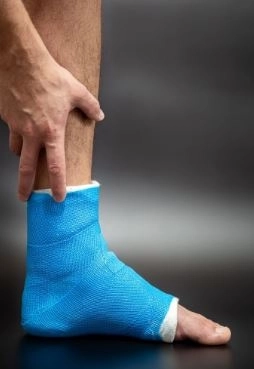
Plantar fasciitis causes symptoms and treatment


Heel pain and pain in the sole of the foot are among the most annoying problems that can significantly affect walking and daily movement. One of the most common causes is injury to the plantar fascia, whether due to inflammation or a tear. This condition causes severe pain, especially when getting out of bed in the morning or after standing for long periods. In some cases, it may also be accompanied by swelling and difficulty in walking.With weight gain or excessive physical activity, the pressure on the foot increases, making the injury more uncomfortable. In this Delly Medical article, we will explore the causes of plantar fascia tears, the main symptoms, whether excess weight really affects the condition, as well as the best treatment methods and tips that help speed up recovery and prevent the pain from returning again.

What is the plantar fascia?
The plantar fascia is a thick band of tissue that extends from the heel bone to the toes. Its function is to support the arch of the foot and absorb shock during walking or running.

Is a plantar fascia tear serious?
A plantar fascia tear is usually not considered a serious condition, but it can cause severe pain and difficulty walking if not treated properly.

Can a plantar fascia tear heal without surgery?
Yes, most cases improve with conservative treatment such as rest, physical therapy, and medications. Surgery is only needed in severe cases or when there is no response to standard treatment.

What is the difference between a plantar fascia tear and plantar fasciitis?
Plantar fasciitis is a condition where inflammation develops gradually and the pain increases over time. A tear, on the other hand, usually happens suddenly and is accompanied by sharp pain and noticeable difficulty in walking.

Does walking worsen the tear?
Excessive walking or putting too much weight on the foot may increase pain and slow down healing, especially in the early stage of injury.

Can I exercise during treatment?
It is recommended to avoid intense sports and running during the recovery period. However, light exercises may be allowed depending on your doctor’s or physiotherapist’s instructions.

Is ice helpful?
Yes, ice packs help reduce inflammation, pain, and swelling, especially in the first few days after the injury.

What is the best footwear for a plantar fascia tear?
Comfortable shoes that provide good arch support and absorb shock are best. Walking barefoot should be avoided.

Does excess weight affect the injury?
Yes, excess body weight increases pressure on the foot, which may slow recovery and worsen symptoms.

Can the tear come back?
Yes, the injury may recur if physical activity is resumed too early, if improper footwear is used, or if the treatment plan is not followed properly.

Is physical therapy necessary?
In most cases, yes. Physical therapy helps strengthen foot muscles, reduce tension on the plantar fascia, and gradually improve mobility.

When should I see a doctor immediately?
You should see a doctor if:

  • The pain is very severe
  • You cannot walk or put weight on the foot
  • There is significant swelling or bruising
  • Symptoms persist for a long time without improvement

Are corticosteroid injections helpful?
Corticosteroid injections may help reduce pain and inflammation in some cases, but they should be used carefully under medical supervision because overuse may weaken the plantar fascia and increase the risk of further tears.

Does a plantar fascia tear cause swelling?
Yes, it may cause swelling, especially in severe cases. Bruising in the heel or bottom of the foot may also appear.

How long does recovery take?
Recovery time depends on the severity of the injury. Mild cases may take a few weeks, while severe cases or those requiring surgery may take several months for full recovery.

Types of plantar fascia tear:

  1. Partial tear
    This is the most common type and occurs when the fibers of the plantar fascia are partially torn without a complete rupture.
  • Pain is moderate to severe
  • The patient can still walk but with difficulty
  • It usually improves faster with rest and proper treatment  

2) Complete tear
This is a rare but severe type, where there is a complete rupture of the plantar fascia.

  • Sudden, sharp pain
  • Severe difficulty or inability to walk
  • Visible swelling and bruising in the foot

3) Acute tear
It occurs suddenly due to a strong movement, jump, or intense physical effort.

  • Sudden feeling of a “pop” during injury
  • Severe pain appears immediately after the injury

4) Chronic or degenerative tear
It develops gradually due to repeated stress and continuous pressure on the foot.

  • Does not occur suddenly
  • Progressive weakening of the tissue over time
  • Often associated with previous conditions such as plantar fasciitis

5) Insertional tear
It occurs at the point where the plantar fascia attaches to the heel bone.

  • Pain is focused in the heel area
  • Often linked to excessive pressure or intense sports activities

Causes of plantar fascia tear

1) Excessive strain on the foot
Standing for long periods, walking, or running long distances without rest puts continuous pressure on the plantar fascia, weakening it and increasing the risk of tearing.

2) Sudden or intense physical activity
Such as sprinting or jumping without proper warm-up, which places excessive stress on the foot tissues and ligaments.

3) Excess body weight
Being overweight increases the load on the feet, which increases tension on the plantar fascia and makes it more prone to injury.

4) Wearing inappropriate footwear
Flat shoes or shoes without proper arch support increase pressure on the plantar fascia and gradually weaken it.

5) Aging
With age, tissues lose elasticity and strength, making them more vulnerable to tears.

6) Previous foot injuries
Existing conditions such as plantar fasciitis can weaken the tissue and increase the likelihood of a tear.

7) Standing on hard surfaces for long periods
Common in jobs that require prolonged standing on hard floors without proper foot support.


Symptoms of plantar fascia tear

Symptoms usually appear clearly and suddenly after exertion or a strong movement.

1) Sharp heel pain
The most common symptom. The pain is sudden and severe in the bottom of the heel, often described as a “stabbing” or strong pulling sensation.

2) Difficulty walking
The patient may struggle to put weight on the foot and may walk on the toes to reduce pain.

3) Increased pain while standing
Pain worsens with prolonged standing or walking, especially on hard surfaces.

4) Mild swelling or inflammation
Some swelling may appear in the heel or the bottom of the foot depending on severity.

5) Foot stiffness
Especially in the morning after waking up, with a feeling of tightness and difficulty moving the foot.

6) A popping sensation during injury
Some patients report hearing or feeling a sudden “pop” at the time of injury.

7) Pain extending to the arch of the foot
The pain may spread from the heel to the entire arch of the foot.


Diagnosis of plantar fascia tear

Plantar fascia tear is usually diagnosed through a combination of clinical examination and imaging studies, as symptoms may resemble other heel conditions.

First: Medical history (most important step)

The doctor takes a detailed history, including:

  • Did the pain start suddenly or gradually?
  • Was there a “pop” or sudden pulling sensation during injury?
  • Ability to walk or stand after the injury
  • Recent intense physical activity or exertion before symptoms appeared
  • Weight gain or use of inappropriate footwear

Second: Clinical examination

The doctor examines the foot and looks for several signs, such as:

  • Clear pain when pressing on the bottom of the heel
  • Swelling or bruising in some cases
  • Difficulty walking or bearing weight on the foot
  • Increased pain when the foot is dorsiflexed (plantar fascia stretch test

Third: Imaging and diagnostic tests

1) Ultrasound (Sonography)

  • One of the most important and simplest examinations
  • Helps detect partial tears, fascia thickening, or inflammation
  • Fast procedure and low cost

2) Magnetic Resonance Imaging (MRI)

  • Considered the most accurate diagnostic tool
  • Shows the degree of tear (partial or complete)
  • Provides a detailed view of surrounding soft tissues

3) X-ray

  • Does not show the plantar fascia itself
  • However, it is important to rule out other problems such as:
    • Heel bone fracture or crack
    • Heel spur

Difference between tear and inflammation

It is important to distinguish between plantar fascia tear and plantar fasciitis:

  • Inflammation (Plantar fasciitis): Gradual pain that worsens over time
  • Tear: Sudden, sharp pain that usually occurs after exertion or a strong movement

Complications of plantar fascia tear

1) Chronic heel pain

The most common complication, where temporary pain becomes persistent, especially if the tear does not heal properly.

2) Weakening of the foot arch

Since the plantar fascia supports the arch of the foot, a tear can gradually weaken this support, leading to changes in foot shape and walking pattern.

3) Difficulty walking long distances

Patients may struggle to stand or walk for long periods due to pain or weakened tissue.

4) Progression to chronic plantar fasciitis

In some cases, the condition may turn into chronic plantar fasciitis, causing recurrent pain even with minimal activity.

5) Altered gait (abnormal walking pattern)

Patients may change the way they walk to avoid pain, which can lead to:

  • Knee pain
  • Hip pain
  • Increased stress on the healthy foot

6) Weak foot muscles

Reduced movement due to pain may weaken the small muscles of the foot, affecting balance and stability.

7) Tissue fibrosis

In some cases, incomplete healing may lead to fibrous scar tissue formation, reducing elasticity and prolonging pain.

8) Recurrence of injury

If the underlying causes (such as excess weight or improper footwear) are not addressed, the injury may easily recur.


Medical treatment of plantar fascia tear

Drug treatment aims to reduce pain and control inflammation, but it is usually not sufficient alone and is part of a broader treatment plan.

First: Painkillers and anti-inflammatory drugs

1) Paracetamol (e.g., Panadol)

  • Used to relieve pain
  • Suitable for mild cases or patients who cannot take NSAIDs
  • Must be taken in the correct dose to avoid liver damage

2) Non-steroidal anti-inflammatory drugs (NSAIDs)
Such as:

  • Ibuprofen
  • Diclofenac
  • Naproxen

Benefits:

  • Reduce inflammation
  • Relieve pain and swelling

Possible side effects:

  • Stomach irritation or ulcers
  • Increased blood pressure
  • Kidney problems in some cases

Second: Topical treatments (creams and gels)

Topical anti-inflammatory gels (e.g., Voltaren Emulgel)

  • Applied directly to the painful area
  • Helps reduce local inflammation
  • Fewer side effects compared to oral medications

Third: Cortisone injections

Used in severe cases or persistent pain that does not respond to medication.

  • Contain corticosteroids
  • Strong and fast anti-inflammatory effect

However, caution is needed because:

  • Repeated injections may weaken the plantar fascia
  • May increase the risk of further tears
  • Can cause thinning of surrounding tissues

Fourth: Supportive medications (depending on the case)

1) Muscle relaxants
May be used if there is muscle tightness in the foot or leg.

2) Supplements
Sometimes prescribed to support tissue health and improve healing.


Are medications alone enough?

Usually no. Full treatment also includes:

  • Rest and reducing pressure on the foot
  • Ice packs
  • Stretching exercises
  • Supportive shoes or orthotic insoles
  • Physical therapy

When should you see a doctor immediately?

  • Severe pain
  • Inability to walk
  • Visible swelling or bruising
  • No improvement with treatment

When is surgery needed for plantar fascia tear?

In most cases, plantar fascia tears are treated without surgery, using rest, physical therapy, and medications. However, surgery may be required in specific cases.

Indications for surgery:

  • Severe or complete tear of the plantar fascia
  • Persistent pain despite conservative treatment
  • Failure of physical therapy and medications
  • Significant difficulty in walking or movement
  • Recurrent injuries

Types of plantar fascia surgery

1) Plantar fascia repair surgery

This is the main procedure for complete or large tears.

Procedure:

  • Local or regional anesthesia
  • Incision in the sole of the foot or side of the heel
  • Precise identification of the tear
  • Suturing and repairing the torn tissue
  • Sometimes reinforcement with additional tissue
  • Closing the wound and stabilizing the foot

Advantages:

  • Restores arch stability
  • Reduces chronic pain
  • Suitable for large tears

Disadvantages:

  • Longer recovery period
  • Risk of stiffness or scar tissue formation
  • Possible infection or persistent pain 

2) Endoscopic surgery (minimally invasive surgery)

This is a modern and less invasive surgical technique.

Procedure:

  • Very small incisions are made
  • A camera and fine surgical instruments are inserted
  • The tear is repaired or damaged tissue is removed
  • The small openings are closed with simple stitches

Advantages:

  • Less postoperative pain
  • Smaller scars
  • Faster recovery

Disadvantages:

  • Not suitable for all cases
  • Requires a highly skilled surgeon

3) Plantar fascia release surgery

This procedure is used in cases of chronic tightness or severe inflammation associated with a tear.

Concept:
A small portion of the plantar fascia is cut to relieve tension and reduce pressure on the heel.

Types:

  • Open release
  • Endoscopic release

Risks:

  • Weakening of the foot arch if too much tissue is cut
  • Changes in walking pattern

4) Graft or reconstruction surgery

This is a rare procedure used in very severe cases.

Procedure:

  • A tendon graft from the patient’s body is used
    or
  • A medical patch is used to replace the damaged part

It is used when:

  • The tissue is severely weakened
  • There are repeated tears or significant loss of fascia tissue

Post-surgery care

First two weeks:

  • Complete or near-complete rest
  • Elevating the foot to reduce swelling
  • Wearing a cast or medical boot

After that:

  • Gradual weight bearing on the foot
  • Starting physical therapy
  • Stretching and mobility exercises

Recovery time after surgery

  • Mild cases: 6–8 weeks
  • Severe or chronic cases: 3–6 months

Recovery time (without surgery)

  • Mild tear: 3–6 weeks
  • Moderate tear: 6–12 weeks
  • Complete tear: 3–6 months

Factors affecting healing speed

  • Following rest instructions
  • Wearing appropriate medical shoes
  • Excess body weight
  • Chronic diseases
  • Returning to activity too early
  • History of plantar fasciitis

Tips for managing plantar fascia tear

Proper management plays a key role in speeding recovery, reducing pain, and preventing recurrence.

1) Rest and reducing pressure on the foot

Rest is the most important step in treatment:

  • Avoid running and jumping
  • Limit prolonged standing
  • Walk carefully without excessive pressure

In severe cases:

  • Crutches may be needed
  • Medical shoes or boots may be used
  • Temporary splints may be required

2) Ice therapy

Ice helps reduce pain and swelling.

Correct method:

  • Apply ice packs for 15–20 minutes
  • Repeat 3–4 times daily
  • Do not place ice directly on the skin

3) Proper footwear

Good shoes help reduce pressure on the foot.

Recommended:

  • Comfortable
  • Good arch support
  • Cushioned heel
  • Slight heel elevation (not flat)

Avoid:

  • Walking barefoot
  • Tight or rigid shoes
  • High heels for long periods

4) Orthotic insoles

They help:

  • Reduce heel pressure
  • Support the arch of the foot
  • Distribute body weight evenly

5) Physical therapy adherence

Physical therapy is essential because it:

  • Strengthens foot and leg muscles
  • Reduces tension on the plantar fascia
  • Improves balance and movement

6) Stretching exercises

Help relieve tightness and improve flexibility, such as:

  • Calf muscle stretching
  • Plantar fascia stretching
  • Gentle toe pulling upward

⚠️ Must be done without severe pain


7) Maintaining a healthy weight

Weight control helps:

  • Reduce foot pressure
  • Speed up recovery
  • Decrease pain

8) Gradual return to sports

Even after pain improves, activity should be resumed slowly to avoid reinjury.


9) Following prescribed medications

Take painkillers or anti-inflammatory drugs as directed by the doctor without overuse.


10) Medical follow-up

See a doctor if:

  • Pain worsens
  • Severe swelling occurs
  • Walking becomes difficult
  • No improvement after treatment

11) Avoid harmful habits

Such as:

  • Prolonged standing without rest
  • Carrying heavy loads
  • Intense sports during recovery

12) Elevating the foot during sleep

Slight elevation helps:

  • Reduce swelling
  • Relieve nighttime pain 
أسباب ألم الكعب وباطن القدم عند الاستيقاظ من النوم في الصباحعلاج تمزق اللفافة الأخمصية في المنزل بدون تدخل جراحيالفرق بين التهاب اللفافة الأخمصية وتمزق اللفافة الأخمصية بالتفصيلهل تمزق اللفافة الأخمصية خطير وما هي درجة خطورته على المشيأفضل طرق علاج ألم الكعب الشديد عند الوقوف أو المشي لفترات طويلةهل زيادة الوزن تسبب ألم الكعب وتمزق اللفافة الأخمصية وكيف يحدث ذلكأعراض تمزق اللفافة الأخمصية المفاجئ وكيف يمكن التعرف عليه مبكرًاأسباب ألم أسفل القدم عند النساء بسبب الوقوف الطويل والأحذية غير المناسبةهل المشي يضر تمزق اللفافة الأخمصية ويؤخر عملية الشفاءأفضل أنواع الأحذية الطبية لمرضى التهاب وتمزق اللفافة الأخمصيةطرق الوقاية من تكرار الإصابة بتمزق اللفافة الأخمصية وألم الكعب المزمنهل يمكن الشفاء التام من التهاب اللفافة الأخمصية نهائيًا بدون عودة الألممضاعفات إهمال علاج تمزق اللفافة الأخمصية على شكل القدم والمشيأفضل تمارين الإطالة لعلاج ألم الكعب وباطن القدم وتحسين الحركةهل حقن الكورتيزون مفيدة في علاج ألم الكعب وما أضرارها المحتملةمتى يحتاج تمزق اللفافة الأخمصية إلى تدخل جراحي وعملية إصلاحالفرق بين ألم الكعب الناتج عن الشوكة العظمية واللفافة الأخمصيةهل الوقوف لفترات طويلة يسبب التهاب وتمزق اللفافة الأخمصيةأفضل علاج طبيعي وتأهيلي لتقوية عضلات القدم بعد الإصابةهل يمكن أن يختفي ألم الكعب نهائيًا أم أنه مرض مزمن يحتاج متابعة دائمةأفضل طرق تقليل الضغط على الكعب أثناء الوقوف في العمل لفترات طويلةأسباب ألم الكعب عند الرياضيين بعد التمرين الشديد وكيفية الوقاية من الإصابةالعلاقة بين السمنة وألم أسفل القدم وكيفية تقليل الضغط على الكعب بشكل فعالهل العلاج الطبيعي ضروري لكل حالات تمزق اللفافة الأخمصية أم يمكن الاستغناء عنهأفضل علاج طبيعي وتأهيلي لتقوية عضلات القدم بعد تمزق اللفافة الأخمصية وتحسين الحركةمتى يحتاج تمزق اللفافة الأخمصية إلى تدخل جراحي وما هي الحالات التي تستدعي العمليةأسباب ألم الكعب وباطن القدم عند الاستيقاظ من النوم صباحًا بشكل مفاجئ ومستمر مع صعوبة المشيعلاج تمزق اللفافة الأخمصية بدون جراحة في المنزل خطوة بخطوة باستخدام الراحة والثلج والعلاج الطبيعيهل تمزق اللفافة الأخمصية خطير على المدى البعيد وكيف يؤثر على القدرة على المشي والحركة اليوميةأفضل طرق علاج ألم الكعب الشديد عند الوقوف لفترات طويلة أو المشي لمسافات طويلة في العمل اليوميهل زيادة الوزن والسمنة تسبب ألم الكعب وتمزق اللفافة الأخمصية وكيف يتم تقليل الضغط على القدمأعراض تمزق اللفافة الأخمصية المفاجئ وكيف يمكن التعرف عليه مبكرًا قبل حدوث مضاعفات في القدممدة شفاء تمزق اللفافة الأخمصية الجزئي والكامل بدون تدخل جراحي والعوامل التي تؤثر على سرعة التعافيعلاج ألم الكعب في المنزل باستخدام الثلج والراحة وتمارين الإطالة والعلاج الطبيعي بشكل آمن وفعالأسباب ألم أسفل القدم عند النساء بسبب ارتداء الكعب العالي أو الوقوف الطويل أو الأحذية غير المناسبةهل المشي يضر تمزق اللفافة الأخمصية ويؤخر عملية الشفاء أم يساعد على التعافي التدريجي بشكل صحيحأفضل أنواع الأحذية الطبية المناسبة لمرضى التهاب وتمزق اللفافة الأخمصية المزمن ودعم قوس القدمطرق الوقاية من تكرار الإصابة بتمزق اللفافة الأخمصية وألم الكعب المزمن نهائيًا بعد العلاجمتى يكون ألم الكعب علامة خطيرة على وجود تمزق في اللفافة الأخمصية يحتاج إلى تدخل طبي عاجلأسباب ألم الكعب بعد الجري أو القفز المفاجئ أثناء ممارسة الرياضة بدون إحماء كافٍ للعضلاتهل يمكن الشفاء التام من التهاب اللفافة الأخمصية نهائيًا بدون رجوع الألم مرة أخرى بعد العلاجمضاعفات إهمال علاج تمزق اللفافة الأخمصية على شكل القدم وطريقة المشي والتوازن على المدى الطويلأفضل تمارين الإطالة لعلاج ألم الكعب وباطن القدم وتحسين مرونة القدم وتقليل الشد على اللفافةهل حقن الكورتيزون مفيدة في علاج ألم الكعب وما هي أضرارها المحتملة على الأنسجة واللفافة الأخمصيةمتى يحتاج تمزق اللفافة الأخمصية إلى تدخل جراحي وما هي الحالات التي لا تستجيب للعلاج التحفظيالفرق بين ألم الكعب الناتج عن الشوكة العظمية والتهاب اللفافة الأخمصية وتمزق اللفافة الأخمصية بدقةأسباب ألم باطن القدم المزمن وعلاقته بالإجهاد اليومي والوقوف لفترات طويلة والضغط المستمر على القدمهل الوقوف لفترات طويلة يسبب التهاب وتمزق اللفافة الأخمصية وكيف يمكن الوقاية منه في العمل اليوميعلاج تورم الكعب المصاحب لتمزق اللفافة الأخمصية باستخدام الأدوية والثلج والراحة ورفع القدمكيفية تشخيص تمزق اللفافة الأخمصية بدقة باستخدام الأشعة السينية والسونار والرنين المغناطيسي MRIأفضل علاج طبيعي وتأهيلي لتقوية عضلات القدم بعد تمزق اللفافة الأخمصية وتحسين القدرة على المشيهل يمكن العودة لممارسة الرياضة بعد تمزق اللفافة الأخمصية بدون تكرار الإصابة مرة أخرى بشكل آمنأسباب تيبس القدم وألم الكعب عند الاستيقاظ من النوم صباحًا وعلاقته بضعف اللفافة الأخمصيةنصائح مهمة لتسريع شفاء تمزق اللفافة الأخمصية وتقليل الألم أثناء الوقوف والمشي والحركة اليوميةأخطر مضاعفات إهمال علاج تمزق اللفافة الأخمصية على المدى الطويل وتأثيره على المفاصل وطريقة الحركةهل العلاج الطبيعي ضروري لكل حالات تمزق اللفافة الأخمصية أم يمكن الاعتماد على الأدوية فقطأفضل طرق دعم قوس القدم باستخدام الفرش الطبية والأحذية الداعمة لعلاج الألم وتقليل الضغطالعلاقة بين السمنة وألم أسفل القدم وكيفية تقليل الضغط على الكعب وتحسين توزيع الوزنكيفية التمييز بين ألم الكعب الناتج عن التمزق أو الالتهاب أو الشوكة العظمية بدقة طبيةأفضل نصائح لتجنب رجوع ألم الكعب وباطن القدم مرة أخرى بعد العلاج الكامل نهائيًاعلاج التهاب اللفافة الأخمصية المزمن باستخدام العلاج الطبيعي والتمارين المنزلية والفرش الطبيةالفرق بين التمزق الجزئي والكامل في اللفافة الأخمصية من حيث شدة الألم ومدة العلاج والتعافيكيفية علاج ألم باطن القدم المزمن بدون أدوية باستخدام الطرق الطبيعية والتمارين المنزليةأفضل طرق تقليل الضغط على الكعب أثناء الوقوف في العمل لفترات طويلة بدون زيادة الألمأسباب ألم الكعب بعد الاستيقاظ مباشرة من النوم وعلاقته بتيبس اللفافة الأخمصيةالعلاقة بين ضعف عضلات الساق وألم الكعب المزمن وكيفية تقوية العضلات لتقليل الألمأفضل برامج العلاج الطبيعي لتأهيل القدم بعد تمزق اللفافة الأخمصية وتحسين الأداء الحركيأسباب ألم الكعب وباطن القدم عند الاستيقاظ من النوم صباحًا بشكل مفاجئ مع استمرار الألم طوال اليوم وصعوبة الحركةعلاج تمزق اللفافة الأخمصية بدون جراحة في المنزل خطوة بخطوة باستخدام الراحة والثلج والفرش الطبية وتمارين الإطالةالفرق التفصيلي بين التهاب اللفافة الأخمصية المزمن وتمزق اللفافة الأخمصية المفاجئ من حيث الأعراض ودرجة الألم والعلاجهل تمزق اللفافة الأخمصية خطير على المدى البعيد وكيف يؤثر على طريقة المشي وتوازن الجسم والحركة اليوميةهل زيادة الوزن والسمنة المفرطة تسبب ألم الكعب وتمزق اللفافة الأخمصية وكيف يمكن تقليل الضغط على القدم تدريجيًاأعراض تمزق اللفافة الأخمصية المفاجئ وكيف يمكن اكتشافه مبكرًا قبل حدوث مضاعفات خطيرة في باطن القدممدة شفاء تمزق اللفافة الأخمصية الجزئي والكامل بدون تدخل جراحي والعوامل التي تؤثر على سرعة التعافي الكاملعلاج ألم الكعب في المنزل باستخدام الثلج والراحة وتمارين العلاج الطبيعي والفرش الطبية بشكل آمن وفعالأسباب ألم أسفل القدم عند النساء بسبب الكعب العالي والوقوف الطويل والعمل المنزلي والأحذية غير المناسبةهل المشي يضر تمزق اللفافة الأخمصية ويؤخر الشفاء أم يساعد في التعافي التدريجي حسب حالة الإصابة وشدتهاأفضل أنواع الأحذية الطبية المناسبة لمرضى التهاب وتمزق اللفافة الأخمصية المزمن ودعم قوس القدم بشكل كاملطرق الوقاية من تكرار الإصابة بتمزق اللفافة الأخمصية وألم الكعب المزمن نهائيًا بعد العلاج وتحسين نمط الحياةمتى يكون ألم الكعب علامة خطيرة على وجود تمزق في اللفافة الأخمصية يحتاج إلى تدخل طبي عاجل وتشخيص دقيقهل يمكن الشفاء التام من التهاب اللفافة الأخمصية نهائيًا بدون رجوع الألم مرة أخرى مع الالتزام بالعلاج الصحيحمضاعفات إهمال علاج تمزق اللفافة الأخمصية على شكل القدم وطريقة المشي والتوازن وتأثيره على الركبة والظهرأفضل تمارين الإطالة لعلاج ألم الكعب وباطن القدم وتحسين مرونة القدم وتقليل الشد على اللفافة الأخمصيةهل حقن الكورتيزون مفيدة في علاج ألم الكعب وما هي أضرارها على المدى الطويل على الأنسجة واللفافةمتى يحتاج تمزق اللفافة الأخمصية إلى تدخل جراحي وما هي الحالات التي لا تستجيب للعلاج الطبيعي والأدويةالفرق بين ألم الكعب الناتج عن الشوكة العظمية والتهاب اللفافة الأخمصية وتمزق اللفافة الأخمصية من حيث التشخيصأسباب ألم باطن القدم المزمن وعلاقته بالإجهاد اليومي والعمل والوقوف الطويل على الأسطح الصلبةعلاج تورم الكعب المصاحب لتمزق اللفافة الأخمصية باستخدام الأدوية والثلج ورفع القدم وتقليل النشاط البدنيكيفية تشخيص تمزق اللفافة الأخمصية بدقة باستخدام الأشعة السينية والسونار والرنين المغناطيسي MRI خطوة بخطوةهل يمكن العودة للرياضة بعد تمزق اللفافة الأخمصية بدون تكرار الإصابة مرة أخرى وكيفية العودة بشكل آمنأسباب تيبس القدم وألم الكعب عند الاستيقاظ من النوم صباحًا وعلاقته بضعف اللفافة الأخمصية وقلة المرونةنصائح مهمة لتسريع شفاء تمزق اللفافة الأخمصية وتقليل الألم أثناء الوقوف والمشي والعمل اليوميالعلاقة بين التهاب اللفافة الأخمصية وضعف قوس القدم وطريقة توزيع الوزن على القدم أثناء الحركةأخطر مضاعفات إهمال علاج تمزق اللفافة الأخمصية على المدى الطويل وتأثيره على المفاصل والظهر وطريقة المشيهل العلاج الطبيعي ضروري لكل حالات تمزق اللفافة الأخمصية أم يمكن الاعتماد على الأدوية والراحة فقططرق تخفيف ألم الكعب أثناء النوم ورفع القدم بطريقة صحيحة لتحسين الدورة الدموية وتقليل التورمأفضل طرق دعم قوس القدم باستخدام الفرش الطبية والأحذية الداعمة لتخفيف الألم أثناء الوقوف والمشيأسباب ألم الكعب المزمن عند كبار السن وعلاقته بضعف الأنسجة وقلة المرونة وتآكل اللفافة الأخمصيةالعلاقة بين السمنة المفرطة وألم أسفل القدم وكيفية تقليل الضغط على الكعب وتحسين توزيع الوزنكيفية التمييز بين ألم الكعب الناتج عن التمزق أو الالتهاب أو الشوكة العظمية بدقة باستخدام الأعراضأفضل نصائح لتجنب رجوع ألم الكعب وباطن القدم مرة أخرى بعد العلاج النهائي وتحسين نمط الحياةعلاج التهاب اللفافة الأخمصية المزمن باستخدام العلاج الطبيعي والتمارين المنزلية والفرش الطبية بشكل مستمرهل الجراحة هي الحل النهائي لتمزق اللفافة الأخمصية أم يمكن تجنبها بالعلاج التحفظي في أغلب الحالاتالفرق بين التمزق الجزئي والكامل في اللفافة الأخمصية من حيث شدة الألم ومدة العلاج وفرص الشفاءأسباب ألم الكعب المستمر طوال اليوم وعلاقته بالإجهاد اليومي والوقوف والعمل الشاق بدون راحةكيفية علاج ألم باطن القدم المزمن بدون أدوية باستخدام الطرق الطبيعية والتمارين والعادات الصحيةهل يمكن أن يختفي ألم الكعب نهائيًا أم أنه يحتاج متابعة مستمرة وعادات صحية لتجنب تكرار الإصابةأسباب ألم الكعب بعد الاستيقاظ مباشرة من النوم وعلاقته بتيبس اللفافة الأخمصية وقلة الحركةتأثير الأحذية غير المناسبة على تمزق اللفافة الأخمصية وزيادة الألم في باطن القدم مع مرور الوقتالعلاقة بين ضعف عضلات الساق وألم الكعب المزمن وكيفية تقوية العضلات لتقليل الألم وتحسين الحركةأفضل برامج العلاج الطبيعي لتأهيل القدم بعد تمزق اللفافة الأخمصية وتحسين الأداء الحركي والتوازنطرق علاج ألم الكعب الشديد في الأيام الأولى من الإصابة باستخدام الراحة والثلج وتقليل الحركةنصائح ذهبية لمنع تكرار إصابة اللفافة الأخمصية أثناء العودة للرياضة أو العمل اليومي الشاقأسباب ألم الكعب وباطن القدم عند الاستيقاظ من النوم صباحًا بشكل مفاجئ مع استمرار الألم طوال اليوم وصعوبة الوقوف أو المشي لمسافات قصيرةعلاج تمزق اللفافة الأخمصية بدون جراحة في المنزل خطوة بخطوة باستخدام الراحة التامة والثلج والفرش الطبية وتمارين الإطالة اليومية بشكل آمنهل تمزق اللفافة الأخمصية خطير على المدى البعيد وكيف يؤثر على شكل القدم وطريقة المشي وتوازن الجسم والقدرة على ممارسة الحياة الطبيعيةأفضل طرق علاج ألم الكعب الشديد الناتج عن الوقوف الطويل أو المشي لمسافات طويلة في العمل اليومي بدون الحاجة إلى تدخل جراحي أو أدوية قويةهل زيادة الوزن والسمنة المفرطة تسبب ألم الكعب وتمزق اللفافة الأخمصية وكيف يمكن تقليل الضغط على القدم وتحسين توزيع الوزن أثناء الحركةأعراض تمزق اللفافة الأخمصية المفاجئ وكيف يمكن اكتشافه مبكرًا قبل حدوث مضاعفات مثل التورم المزمن أو ضعف قوس القدم أو تغير طريقة المشيمدة شفاء تمزق اللفافة الأخمصية الجزئي والكامل بدون تدخل جراحي والعوامل التي تؤثر على سرعة التعافي مثل الوزن والعمر ونوع العلاج المستخدمعلاج ألم الكعب في المنزل باستخدام الثلج والراحة والعلاج الطبيعي والفرش الطبية وتمارين الإطالة بطريقة صحيحة لتسريع الشفاء وتقليل الألمأسباب ألم أسفل القدم عند النساء بسبب ارتداء الكعب العالي لفترات طويلة أو الوقوف المستمر أو الأحذية غير المناسبة وتأثير ذلك على اللفافة الأخمصيةهل المشي يضر تمزق اللفافة الأخمصية ويؤخر عملية الشفاء أم أنه يساعد على التعافي التدريجي حسب شدة الإصابة وخطة العلاج المتبعةأفضل أنواع الأحذية الطبية المناسبة لمرضى التهاب وتمزق اللفافة الأخمصية المزمن ودورها في دعم قوس القدم وتقليل الضغط على الكعب أثناء المشيطرق الوقاية الكاملة من تكرار الإصابة بتمزق اللفافة الأخمصية وألم الكعب المزمن نهائيًا بعد العلاج من خلال تغيير نمط الحياة والعادات اليوميةمتى يكون ألم الكعب علامة خطيرة على وجود تمزق في اللفافة الأخمصية يحتاج إلى تدخل طبي عاجل أو إجراء أشعة دقيقة لتشخيص الحالةأسباب ألم الكعب بعد الجري أو القفز المفاجئ أثناء ممارسة الرياضة بدون إحماء كافٍ وكيفية الوقاية من إصابات الأربطة والأنسجة في القدمهل يمكن الشفاء التام من التهاب اللفافة الأخمصية نهائيًا بدون رجوع الألم مرة أخرى مع الالتزام بالعلاج الطبيعي والتمارين والفرش الطبيةمضاعفات إهمال علاج تمزق اللفافة الأخمصية على شكل القدم وطريقة المشي وتأثيره على الركبة وأسفل الظهر وتوازن الجسم على المدى الطويلأفضل تمارين الإطالة لعلاج ألم الكعب وباطن القدم وتحسين مرونة العضلات والأربطة وتقليل الشد على اللفافة الأخمصية بشكل يوميهل حقن الكورتيزون مفيدة في علاج ألم الكعب وما هي أضرارها المحتملة على المدى الطويل على الأنسجة وخطر ضعف اللفافة الأخمصيةمتى يحتاج تمزق اللفافة الأخمصية إلى تدخل جراحي وما هي الحالات التي لا تستجيب للعلاج التحفظي بالأدوية والعلاج الطبيعيالفرق بين ألم الكعب الناتج عن الشوكة العظمية والتهاب اللفافة الأخمصية وتمزق اللفافة الأخمصية من حيث الأعراض ونتائج الأشعة والتشخيص الدقيقأسباب ألم باطن القدم المزمن وعلاقته بالإجهاد اليومي والعمل لفترات طويلة والوقوف على الأرضيات الصلبة بدون دعم كافٍ للقدمعلاج تورم الكعب المصاحب لتمزق اللفافة الأخمصية باستخدام الأدوية والثلج ورفع القدم وتقليل النشاط البدني اليومي بشكل تدريجيأفضل علاج طبيعي وتأهيلي لتقوية عضلات القدم بعد تمزق اللفافة الأخمصية وتحسين التوازن والحركة ومنع تكرار الإصابة مرة أخرىهل يمكن العودة لممارسة الرياضة بعد تمزق اللفافة الأخمصية بدون تكرار الإصابة وكيفية وضع برنامج تدريجي آمن للعودة للنشاط البدنيأسباب تيبس القدم وألم الكعب عند الاستيقاظ من النوم صباحًا وعلاقته بضعف اللفافة الأخمصية وقلة التروية الدموية أثناء النومنصائح طبية مهمة لتسريع شفاء تمزق اللفافة الأخمصية وتقليل الألم أثناء المشي والوقوف والعمل اليومي دون مضاعفاتالعلاقة بين التهاب اللفافة الأخمصية وضعف قوس القدم وطريقة توزيع الوزن على القدم وتأثير ذلك على مفاصل الجسم الأخرىأخطر مضاعفات إهمال علاج تمزق اللفافة الأخمصية على المدى الطويل وتأثيره على المفاصل والعمود الفقري وطريقة المشي الطبيعية
What's your complaint?