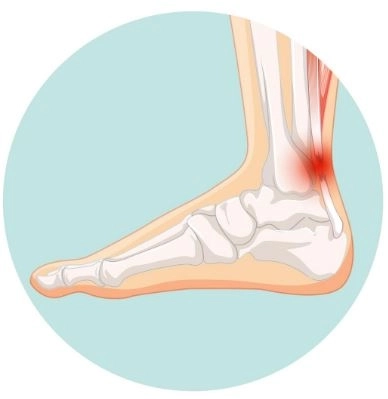
Many people suffer from severe and persistent ankle joint pain that makes even the simplest daily movements, such as walking or standing, difficult and painful. Over time, medications or physical therapy sessions may fail to control this pain. At this stage, doctors may begin considering a more definitive and long-term solution known as ankle arthrodesis (ankle fusion). This surgical procedure aims to permanently stabilize the joint in order to relieve pain and improve the patient’s ability to perform daily activities. Although the surgery results in the loss of joint movement, it is often a life-changing solution for many patients, helping them walk without pain and providing greater stability to the foot. In this article by Dalili Medical, we will discuss everything about ankle fusion surgery, from the causes and indications for the procedure to the recovery process and full rehabilitation.
What Is Ankle Arthrodesis (Ankle Fusion)?
Ankle arthrodesis, also known as ankle fusion, is a surgical procedure that aims to fuse the bones of the ankle joint together so they become one solid bone. This procedure is mainly used to relieve severe pain caused by joint inflammation or advanced joint damage. By eliminating movement inside the affected joint, which is the main source of pain, patients can often regain a better quality of life. Although the ankle joint itself no longer moves after surgery, other joints in the foot can compensate for part of the movement, allowing many patients to walk reasonably well.
❓ Why Is This Surgery Performed?
Doctors may recommend ankle fusion in the following cases:
- Severe ankle osteoarthritis
- Advanced or complete deterioration of the joint surface
- Chronic pain that does not respond to medications or conservative treatments
- Failure of previous surgeries to improve the condition
❓ Does the Surgery Relieve Pain?
Yes. In most cases, ankle fusion significantly reduces or even completely eliminates severe ankle pain.
However, it is important to understand that pain relief comes at the cost of permanently losing the natural movement of the ankle joint.
❓ Does the Ankle Joint Remain Movable After Surgery?
No. After ankle fusion, the joint is permanently fixed and no longer moves.
Nevertheless, the body gradually adapts to this change, as other joints in the foot help compensate for some of the lost movement, allowing most patients to walk relatively well.
❓ Can You Walk After Ankle Fusion?
Yes ✔️
However, the walking pattern may become slightly different after surgery.
- Walking is usually less flexible than normal
- Most patients can still walk reasonably well after full recovery
- The outcome depends on the success of the surgery and the body’s ability to adapt
❓ How Long Does Recovery Take?
Recovery time varies from one patient to another, but on average:
- Initial bone healing: 6 to 12 weeks
- Full recovery: 3 to 6 months in most cases
Recovery may take longer depending on the patient’s overall health condition.
❓ Is Ankle Fusion Surgery Painful?
Yes, it is normal to experience pain immediately after surgery, especially during the first few days. However:
- Pain is usually managed with medications
- The discomfort gradually improves over time
- Physical therapy can significantly help improve recovery
❓ Are There Alternatives to Ankle Fusion?
Yes. The main alternative is:
However, this option is not suitable for all patients. The doctor determines the most appropriate treatment based on the patient’s condition and the severity of joint damage.
❓ Are There Any Complications?
Possible complications may include:
- Delayed bone healing
- Infection
- Increased stress on nearby foot joints, which may lead to arthritis later
- Changes in walking pattern or gait
❓ What Is the Success Rate of the Surgery?
In specialized medical centers, the success rate is generally between 85% and 95%.
The results may vary depending on factors such as:
- Bone condition
- Diabetes
- Smoking
❓ Can Patients Return to Sports After Surgery?
- Walking: ✔️ Usually possible
- Daily activities: ✔️ Often possible
- Running and jumping: ❌ Usually not recommended or may be very limited
❓ Is Ankle Fusion Surgery Permanent?
Yes ✔️
Ankle arthrodesis, also known as ankle fusion surgery, is considered a permanent procedure. During the operation, the bones of the ankle joint are fused together to form one solid bone.
After the bones fully heal and fuse:
- The joint does not regain movement again
- The ankle remains permanently fixed
- The procedure usually cannot be reversed under normal circumstances
However, the body gradually adapts to this change. Other joints in the foot and leg compensate for part of the lost movement, which helps most patients walk reasonably well after recovery.
What Is Ankle Arthrodesis (Ankle Fusion)?
Ankle arthrodesis is a surgical procedure in which the ankle bones are permanently fixed together, allowing them to heal as one solid unit. This procedure is commonly performed when the ankle joint is severely damaged or painful and no longer responds to conservative treatments or certain other surgical procedures.
Main Causes and Indications for Ankle Fusion
1. Severe Ankle Osteoarthritis
Advanced osteoarthritis is one of the most common reasons for ankle fusion. As the cartilage wears away, the bones begin rubbing against each other, causing severe pain and limiting normal movement.
2. Chronic Joint Inflammation
Conditions such as Rheumatoid Arthritis can gradually damage and deform the ankle joint over time due to persistent inflammation.
3. Severe Injuries or Complex Fractures
Serious fractures or direct trauma may destroy the ankle joint surface beyond repair, making fusion the most suitable option.
4. Failure of Previous Ankle Surgeries
This may include:
- Failed fracture fixation
- Failure of a previous ankle replacement
- Persistent pain despite earlier surgical procedures
5. Severe Joint Deformities
Such as ankle misalignment or chronic instability, which can cause major walking difficulties and continuous pain.
6. Joint Destruction Due to Diabetic Foot or Neurological Disorders
In conditions such as:
the ankle joint may progressively deteriorate because of loss of sensation or instability, requiring surgical intervention.
Symptoms Leading to Ankle Fusion Surgery
Ankle fusion itself is a surgical procedure rather than a disease, so it does not have direct symptoms. However, there are two important aspects to understand:
- The symptoms that lead doctors to recommend the surgery
- The expected changes after the procedure
First: Symptoms Before Ankle Fusion
These symptoms are usually caused by severe joint damage or advanced ankle degeneration.
1. Severe and Persistent Pain
- Pain even while resting
- Pain that worsens with walking or standing for long periods
2. Significant Joint Stiffness
- Difficulty moving the ankle
- Progressive loss of flexibility and range of motion
3. Recurrent Swelling
- Swelling after physical activity
- Sometimes associated with warmth around the joint
4. Difficulty Walking
- Limping during movement
- Difficulty bearing body weight normally
5. Joint Deformity
- Abnormal ankle alignment
- Gradual changes in foot shape over time
6. Joint Instability
- Feeling that the ankle is unstable or “giving way” during movement
Expected Changes After Surgery
1. Significant Pain Relief
This is the primary goal of the surgery. In most cases, pain improves dramatically or disappears completely.
2. Loss of Ankle Joint Movement
The ankle joint becomes permanently fixed, so upward and downward ankle movement is no longer possible.
3. Temporary Pain and Swelling After Surgery
This is normal during the first few weeks and gradually improves with time and treatment.
4. Slight Change in Walking Style
The body slowly adapts to the absence of ankle movement, and most patients are eventually able to walk reasonably well after recovery.
Diagnosis and Evaluation Before Ankle Fusion
Diagnosing the need for ankle fusion does not mean diagnosing the surgery itself. Instead, it refers to identifying the condition that requires this procedure and determining whether the patient is a suitable candidate.
Doctors usually follow several organized steps:
First: Symptoms Suggesting the Need for Fusion
Common symptoms include:
- Severe chronic ankle pain
- Significant stiffness and limited movement
- Difficulty walking or limping
- Persistent pain even during rest or sleep
- Recurrent swelling
- Failure of conservative treatments such as medications, physical therapy, or injections
Second: Clinical Examination
The doctor carefully examines the ankle joint to assess:
- Range of motion, which is often severely limited
- Presence of deformities in the ankle or foot
- Joint stability during standing or walking
- Areas of tenderness and pain
Third: Imaging and Medical Tests
1. X-rays
X-rays are the main diagnostic tool and can show:
- Degree of cartilage damage
- Narrowing of the joint space
- Deformities or structural changes in the ankle joint
2. Computed Tomography (CT Scan)
A CT scan provides highly detailed images of the bones and helps surgeons plan the procedure more accurately.
3. Magnetic Resonance Imaging (MRI)
An MRI helps evaluate the condition of the cartilage and surrounding soft tissues. It is especially useful in early-stage disease or unclear cases.
Final Diagnosis for the Need of Ankle Fusion
The decision to perform ankle arthrodesis is usually made when several important factors are present, including:
- Severe degeneration of the ankle joint
- Persistent pain affecting daily life
- Failure of conservative treatments such as medications and physical therapy
- Inability to repair or replace the joint through other methods
Complications of Ankle Arthrodesis (Ankle Fusion)
Like any major surgical procedure, ankle fusion may involve certain complications. However, it is important to emphasize that many patients achieve successful outcomes, and these complications do not occur in every case.
First: Complications During or Shortly After Surgery
1. Infection
- May occur at the surgical wound or inside the bone
- More common in patients with diabetes or weakened immunity
2. Bleeding or Hematoma
- Swelling or bruising may appear after surgery
- Usually managed with observation or minor medical intervention if needed
3. Persistent Pain
- Some pain may continue for a period after surgery
- Pain relief may take time to improve gradually
Second: Bone Healing Complications
1. Non-union
Non-union means the bones fail to fuse properly after surgery.
- It is considered one of the most important possible complications
- Some patients may require an additional surgery
2. Malunion
This occurs when the bones heal in an improper position, which may lead to pain or difficulty walking.
Third: Long-Term Complications
1. Arthritis in Nearby Joints
After ankle fusion, increased stress is placed on nearby joints such as:
- Midfoot joints
- Subtalar joint
Over time, this may lead to Osteoarthritis in these areas.
2. Difficulty with Movement and Walking
- Permanent loss of ankle motion
- Increased reliance on other joints for movement compensation, which may cause strain
3. Changes in Walking Pattern (Limping)
- Common during the early recovery phase
- Mild limping may persist in some patients
4. Nerve Problems or Numbness
- Temporary numbness or reduced sensation may occur
- Usually related to swelling or surgical effects
5. Skin or Wound Healing Problems
- Delayed wound healing may occur in some cases
- More common among smokers and patients with diabetes
Medical Treatment for Conditions Leading to Ankle Fusion
First: Conservative Treatment Before Surgery
1. Pain Relievers
Such as:
- Paracetamol (Acetaminophen)
- Stronger pain medications depending on pain severity
The goal is to reduce daily pain.
2. Nonsteroidal Anti-Inflammatory Drugs (NSAIDs)
Examples include:
- Ibuprofen
- Diclofenac
- Naproxen
These medications help reduce pain, inflammation, and swelling.
⚠️ However, they do not reverse joint degeneration itself.
3. Corticosteroids
Cortisone may be given orally or injected into the joint to provide temporary relief in some cases.
4. Treatment of Underlying Diseases
In conditions such as Rheumatoid Arthritis:
- Disease-modifying antirheumatic drugs (DMARDs)
- Biologic medications
may be used to slow joint deterioration.
In cases of Osteoarthritis, there is no permanent cure, but symptoms can often be controlled.
5. Joint Supplements
Examples include:
Their effectiveness remains limited and not fully proven.
Medications After Ankle Fusion Surgery
1. Pain Medications
Used during the first days after surgery.
2. Anti-Inflammatory Medications
Help reduce swelling and improve comfort.
3. Antibiotics
Used to prevent or treat infection if necessary.
4. Blood Clot Prevention Medications
May be prescribed in some patients, especially during prolonged immobility.
5. Bone Supplements
Such as:
These supplements may help support bone healing.
Surgical Treatment of Ankle Arthrodesis and Types of Procedures
Ankle fusion is a surgical procedure designed to permanently stabilize the ankle joint and eliminate severe pain caused by advanced joint damage or degeneration. The surgical method depends on the patient’s condition, the severity of joint destruction, and the presence of deformities or infection.
First: Goals of Surgery
The procedure aims to:
- Eliminate severe chronic pain
- Permanently stabilize the joint and stop painful movement
- Improve standing and walking ability
⚠️ However, the surgery results in permanent loss of natural ankle movement.
Types of Ankle Fusion Surgery
1. Arthroscopic Arthrodesis
(Ankle Arthroscopy)
Procedure:
- Very small incisions are made
- A small camera and surgical instruments are inserted into the joint
- Damaged cartilage is removed
- Bone surfaces are prepared for fusion
- Internal screws are used for fixation
Advantages:
- Less postoperative pain
- Smaller wounds
- Faster recovery
Disadvantages:
- Not suitable for severe deformities or advanced cases
2. Open Arthrodesis
Procedure:
- A larger surgical incision is made
- Damaged cartilage is completely removed
- Bone surfaces are cleaned and prepared
- The foot is positioned at an appropriate angle for walking
- Fixation is achieved using screws or metal plates
Advantages:
- Direct and clear visualization of the joint
- Suitable for severe deformities and advanced damage
Disadvantages:
- More postoperative pain
- Longer recovery period
3. Internal Fixation with Screws
Procedure:
- After preparing the joint, screws are inserted to stabilize the tibia and ankle bones
- Metal plates may also be used when necessary
Use:
- Commonly performed with open surgery and sometimes with arthroscopic procedures
4. External Fixation
(External Fixator)
Procedure:
- A metal frame is placed outside the body
- Pins are inserted into the bones to stabilize the joint
- The frame remains until bone healing is complete
Commonly Used In:
- Infections
- Severe deformities
- Poor skin or soft tissue condition
5. Triple Arthrodesis
Procedure:
Fusion of multiple joints at the same time, including:
- The ankle joint
- The subtalar joint
- Midfoot joints
Commonly Used In:
- Severe deformities
- Complex neurological conditions
General Surgical Steps
Regardless of the technique used, the procedure usually includes:
1. Preparation
- General or spinal anesthesia
- Complete sterilization of the surgical area
2. Removal of Damaged Tissue
- Removal of worn cartilage
- Preparation of bone surfaces for fusion
3. Joint Positioning
- The foot is aligned in a functional position suitable for walking
4. Fixation
Using:
- Screws
- Plates
- Or an external fixation device
5. Closure and Immobilization
- Surgical wound closure
- Application of a cast or splint to protect the joint
Recovery Time After Ankle Fusion
Recovery varies depending on the patient’s overall health, surgical technique, and chronic conditions such as diabetes or osteoporosis.
1. Early Recovery Phase (0–2 Weeks)
- The foot remains in a cast or splint
- Pain and swelling are normal
- The foot should be elevated frequently
- No weight-bearing is allowed
2. Early Bone Healing Phase (2–6 Weeks)
- Continued immobilization with a cast or protective boot
- Monitoring for infection or wound problems
- Gradual reduction in pain
- Most patients still avoid walking on the operated foot
3. Bone Fusion Phase (6–12 Weeks)
- Bone healing becomes more evident
- Follow-up X-rays are performed
- Partial weight-bearing may begin in some cases
4. Intermediate Recovery Phase (3–4 Months)
- Significant improvement in pain
- Gradual walking rehabilitation
- Physical therapy begins to improve balance and walking pattern
5. Full Recovery Phase (4–6 Months and Sometimes Up to 9 Months)
- Bone fusion is nearly complete
- Walking ability improves further
- The body adapts to the absence of ankle motion through other joints
Tips to Prevent Progression to Ankle Fusion
Ankle fusion is usually reserved for advanced joint damage, so prevention focuses on protecting the ankle joint from reaching this stage.
First: Preventing Early Osteoarthritis
Osteoarthritis is one of the main causes of ankle fusion.
Prevention Tips:
- Maintain a healthy weight
- Avoid standing for long periods on hard surfaces
- Wear supportive, shock-absorbing shoes
- Treat ankle injuries early and properly
Second: Preventing Injuries and Fractures
Severe injuries and fractures are common causes of ankle joint damage.
Prevention:
- Wear proper athletic shoes during sports
- Avoid sudden movements on unstable surfaces
- Use ankle braces if there is weakness or prior injury
- Follow physical therapy recommendations after sprains or fractures
Third: Treating Inflammatory Diseases Early
Diseases such as Rheumatoid Arthritis may gradually destroy the joint.
Prevention:
- Regular follow-up with a rheumatologist
- Adherence to prescribed medications
- Routine monitoring of joint health
Fourth: Preventing Joint Deterioration After Injury
After ankle sprains or fractures:
Important Recommendations:
- Avoid early weight-bearing
- Ensure proper immobilization
- Perform imaging studies to confirm healing
- Start physical therapy gradually
Fifth: Strengthening the Leg and Ankle Muscles
Strong muscles help support the joint and reduce stress on it.
Helpful Exercises:
- Balance exercises such as standing on one foot
- Calf strengthening exercises
- Ankle flexibility exercises under professional supervision
Sixth: Reducing Daily Stress on the Ankle
Important Tips:
- Avoid excessive running or prolonged walking on hard surfaces
- Wear comfortable cushioned footwear
- Take breaks during long standing periods
- Rest when pain develops
Seventh: Preventing Chronic Condition Progression
If osteoarthritis or previous ankle injuries already exist:
It Is Important To:
- Continue physical therapy regularly
- Use joint injections when recommended by a doctor
- Attend regular imaging follow-ups
- Never ignore chronic ankle pain