

Clubbing of the fingers causes symptoms treatment and does it indicate cancer


Sometimes, we notice subtle changes in the appearance of our fingers or nails without paying much attention to them—such as the fingertips becoming slightly wider or the nails developing an unusual curvature. This condition, known as finger clubbing (digital clubbing), is more than just a cosmetic change. In some cases, it may serve as an early warning sign from the body that an underlying health condition is present.Although finger clubbing can seem alarming, especially because it is often associated with serious diseases such as lung disorders or cancer, the reality is that it can result from a variety of causes. Some causes are relatively harmless, while others require careful medical evaluation and follow-up.In this article from Dalily Medical, we'll take a closer look at finger clubbing in simple terms: why it occurs, what its signs and symptoms are, whether it can actually be linked to cancer, and how it should be properly evaluated and managed without unnecessary fear or exaggeration.

What Is Finger Clubbing?

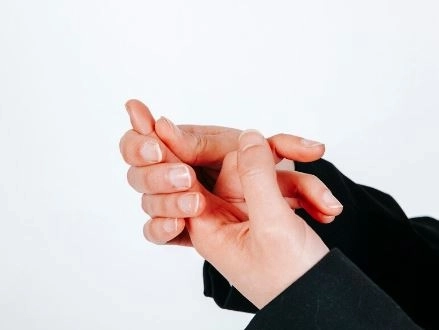
Finger clubbing (digital clubbing) is a physical change characterized by enlargement of the tips of the fingers or toes, accompanied by a noticeable upward curvature of the nails. As a result, the fingers may take on the appearance of drumsticks, while the nails resemble an upside-down spoon.

Finger clubbing is not considered a disease itself. Rather, it is a clinical sign that often indicates an underlying condition, commonly related to reduced oxygen levels in the blood or diseases affecting the lungs, heart, or other organ systems.

Is Finger Clubbing Serious?

Finger clubbing itself is not a disease; it is a symptom or warning sign that may indicate an underlying medical problem, most commonly involving:

  • The lungs

  • The heart

  • The liver or gastrointestinal system

The actual concern lies in the condition causing the clubbing rather than the change in the fingers themselves.

Can Finger Clubbing Be Normal?

Yes. In very rare cases, finger clubbing may be:

  • An inherited or familial trait

  • A congenital condition present from birth

  • A benign finding with no underlying disease

However, medical evaluation is still recommended to rule out potential health problems.

Does Finger Clubbing Indicate Cancer?

Finger clubbing can sometimes be associated with lung cancer, but this does not mean that every person with clubbing has cancer.

It may also occur in association with:

  • Chronic lung diseases

  • Heart diseases

  • Chronic inflammatory conditions

Therefore, finger clubbing alone cannot be used to diagnose cancer. Appropriate medical investigations are necessary to determine the underlying cause.

Does Finger Clubbing Cause Pain?

In most cases, finger clubbing does not cause pain directly. The changes primarily affect the shape of the fingertips and nails.

However, pain may occur when the clubbing is associated with an underlying medical condition such as:

  • Chronic inflammatory disorders

  • Bone and joint diseases

  • Long-term oxygen deficiency in the blood

Does Finger Clubbing Worsen Over Time?

Yes. If the underlying cause remains untreated:

  • The clubbing may gradually progress over time

  • The changes in the fingers and nails may become more pronounced

On the other hand, if the underlying condition is successfully treated:

  • Progression may stop

  • The appearance may improve in some cases

  • The condition may remain stable without further worsening

How Can I Tell the Difference Between Finger Clubbing and Normal Finger Shape?

Finger clubbing can often be recognized by several characteristic features, including:

  • Increased curvature of the nails

  • Enlargement of the fingertips compared with the rest of the finger

  • Loss of the normal diamond-shaped window when the nails of corresponding fingers are placed together (Schamroth's sign)

  • Increased softness or sponginess at the nail bed when pressure is applied

Can Finger Clubbing Occur in Children?

Yes, although it is relatively uncommon in children.

When finger clubbing occurs during childhood, it is often associated with conditions such as:

  • Congenital heart defects

  • Chronic lung diseases

For this reason, finger clubbing in a child should always be evaluated carefully by a healthcare professional to determine the underlying cause.

Types of Finger Clubbing

Finger clubbing can be classified into different types based on its cause and clinical characteristics.

1. Primary Clubbing

Primary clubbing is:

  • Hereditary or congenital

  • Not associated with a serious underlying disease

  • Often present from childhood

  • Sometimes seen in multiple members of the same family

Individuals with primary clubbing usually have no other symptoms, and the condition is generally considered benign.

2. Secondary Clubbing

Secondary clubbing is the most common type and develops as a result of an underlying medical condition, such as:

  • Chronic lung diseases

  • Heart diseases

  • Liver disorders

  • Certain gastrointestinal diseases

In these cases, finger clubbing serves as a clinical sign of another condition that requires proper diagnosis and treatment.

3. Early Clubbing

Early clubbing is characterized by:

  • Mild changes in the appearance of the nails

  • Slight, often barely noticeable curvature of the fingertips

  • No significant enlargement of the distal fingers

This stage typically represents the early phase of the condition.

4. Advanced Clubbing

In advanced clubbing, the physical changes become much more apparent, including:

  • Marked enlargement of the fingertips

  • Pronounced nail curvature

  • A characteristic "drumstick" appearance of the fingers

5. Clubbing Associated with Hypertrophic Osteoarthropathy

In some cases, finger clubbing occurs as part of a condition known as Hypertrophic Osteoarthropathy (HOA).

This condition may present with:

  • Joint pain

  • Bone swelling

  • Thickening of the long bones

  • Prominent finger clubbing

This form is commonly associated with chronic lung diseases and certain malignancies.

Types of Finger Clubbing Based on Rate of Development

Gradual Clubbing

  • Develops slowly over months or years

  • Commonly associated with chronic diseases

Rapid-Onset Clubbing

  • Appears over a relatively short period, sometimes within weeks

  • May be an important warning sign of serious underlying conditions, including certain types of lung cancer

Causes of Finger Clubbing

Finger clubbing rarely occurs as an isolated finding. It is usually a manifestation of an underlying disorder that affects oxygen delivery or circulation within the body.

1. Lung Diseases

Pulmonary disorders are among the most common causes, particularly conditions that reduce oxygen levels in the blood, such as:

  • Lung cancer

  • Pulmonary fibrosis

  • Bronchiectasis

  • Lung abscess

  • Cystic fibrosis

2. Heart Diseases

Certain chronic cardiac conditions may lead to finger clubbing, including:

  • Congenital heart defects

  • Heart failure

  • Infective endocarditis (heart valve infection)

3. Gastrointestinal and Liver Diseases

In some cases, clubbing is associated with disorders of the liver or digestive system, including:

  • Liver cirrhosis

  • Inflammatory bowel diseases such as Crohn's disease and ulcerative colitis

  • Chronic malabsorption syndromes

4. Thyroid Disorders

In rare situations, finger clubbing may occur in association with:

  • Hyperthyroidism

5. Hereditary or Idiopathic Causes

Some individuals develop clubbing that is:

  • Familial or inherited

  • Idiopathic, meaning no identifiable underlying medical cause can be found

Symptoms and Signs of Finger Clubbing

Finger clubbing is a gradual change affecting the fingers and nails and is often a sign of an underlying chronic disease involving the lungs, heart, liver, or gastrointestinal tract.

Early Signs

In the initial stages, the changes may be subtle and difficult to recognize, including:

  • Increased softness of the nail bed

  • Loss of the normal angle between the nail and surrounding skin

  • Increased nail shininess

  • A sensation of fullness at the fingertips

Nail Changes

As the condition progresses, more noticeable nail abnormalities may develop, such as:

  • Increased downward curvature of the nails

  • Thickening of the nails in some cases

  • Marked softness at the base of the nail

Changes in Finger Appearance

  • Enlargement of the fingertips

  • Increased width and roundness of the distal fingers

  • Development of a classic "drumstick" appearance in advanced stages

  • Occasionally, mild warmth or redness of the fingertips

Associated Symptoms Depending on the Underlying Cause

Because finger clubbing is a sign rather than a disease itself, additional symptoms often depend on the condition responsible for it.

If the Cause Is a Lung Disorder

  • Chronic cough

  • Shortness of breath

  • Wheezing

  • Chest pain

  • In some cases, coughing up blood (hemoptysis)

If the Cause Is a Heart Disorder

  • Bluish discoloration of the lips or fingers (cyanosis)

  • Rapid heartbeat

  • Swelling of the feet or ankles

  • Significant fatigue during physical activity

If the Underlying Cause Is Related to the Liver or Gastrointestinal System

Symptoms may include:

  • Yellowing of the skin and eyes (jaundice)
  • Abdominal pain
  • Loss of appetite
  • Chronic diarrhea or unexplained weight loss

Signs a Doctor May Notice During Examination

During the physical examination, a physician may observe:

  • Loss of the Schamroth window sign
  • An increased nail angle beyond the normal range
  • Thickening of the tissue beneath the nail bed

Diagnosis of Finger Clubbing

The diagnosis of finger clubbing is primarily based on a thorough physical examination, followed by investigations aimed at identifying the underlying medical condition. Since clubbing is often associated with diseases affecting the lungs, heart, liver, or other organ systems, determining the root cause is essential.

1. Physical Examination

The physician carefully examines the fingers and nails for characteristic findings, including:

  • Increased nail curvature and rounding
  • Enlargement of the fingertips
  • Loss of the normal angle between the nail and the surrounding skin
  • Softening or sponginess of the nail bed when pressure is applied

2. Schamroth Window Test

The Schamroth test is one of the simplest and most widely used methods for detecting finger clubbing.

How the Test Is Performed

The patient places the nails of the corresponding index fingers together, face-to-face.

Normal Result

A small diamond-shaped gap, known as the Schamroth window, is visible between the nails.

Result in Finger Clubbing

The gap disappears due to the increased curvature of the nails.

3. Medical Tests to Identify the Underlying Cause

Once clubbing is confirmed, further investigations are performed to determine the condition responsible for it.

Lung Evaluation

Because lung diseases are among the most common causes, investigations may include:

  • Chest X-ray
  • Chest CT scan
  • Pulmonary function tests
  • Blood oxygen saturation measurement

Cardiac Evaluation

If a heart condition is suspected, the following tests may be ordered:

  • Electrocardiogram (ECG)
  • Echocardiogram (cardiac ultrasound)
  • Oxygen saturation assessment

Blood Tests

Laboratory studies can help identify:

  • Infections
  • Anemia
  • Liver disease
  • Thyroid disorders

Gastrointestinal and Liver Assessment

Additional tests may include:

  • Liver function tests
  • Endoscopic procedures (when indicated)
  • Evaluation for inflammatory bowel diseases

4. Assessment of Clubbing Severity

The severity of clubbing is typically evaluated based on:

  • The degree of nail curvature
  • The extent of fingertip enlargement
  • The speed of progression
  • The presence of associated symptoms

5. Conditions That Must Be Ruled Out

The diagnostic process often focuses on excluding serious underlying diseases such as:

  • Lung cancer
  • Pulmonary fibrosis
  • Congenital heart disease
  • Chronic lung infections
  • Liver cirrhosis

Can Finger Clubbing Be Detected Early?

Yes. Finger clubbing can often be identified in its early stages, which is particularly important because it may be the first warning sign of an underlying disease before more obvious symptoms develop.

When Should You Seek Medical Attention Promptly?

Medical evaluation is recommended as soon as possible if:

  • Clubbing appears suddenly
  • The changes progress rapidly
  • It is accompanied by a chronic cough or shortness of breath
  • There is unexplained weight loss or severe fatigue
  • Bluish discoloration of the lips or fingertips develops

Complications of Finger Clubbing

Finger clubbing itself usually does not cause direct harm. However, it serves as an important warning sign of an underlying disease that may be chronic or potentially serious. Therefore, the main complications are typically related to the condition causing the clubbing.

1. Progression of the Underlying Disease

One of the most significant risks is overlooking clubbing when it represents an early sign of conditions such as:

  • Lung cancer
  • Chronic heart disease
  • Pulmonary fibrosis

Delayed diagnosis may result in:

  • Worsening of the disease
  • Reduced treatment options
  • Preventable advanced complications

2. Respiratory Complications

When clubbing is caused by a lung disorder, potential complications may include:

  • Progressive chronic shortness of breath
  • Reduced oxygen levels in the blood
  • Recurrent lung infections
  • Respiratory failure in advanced cases

3. Cardiac Complications

If the underlying cause is heart-related, complications may include:

  • Heart muscle dysfunction
  • Cardiac arrhythmias
  • Swelling of the legs and feet
  • Reduced oxygen delivery to body tissues

4. Hypertrophic Osteoarthropathy

In some patients, finger clubbing may be associated with Hypertrophic Osteoarthropathy (HOA), a condition characterized by:

  • Joint pain
  • Bone swelling
  • Reduced mobility
  • Thickening of the long bones

5. Permanent Changes in Finger Appearance

If the underlying condition remains untreated for a prolonged period:

  • The structural changes in the fingers may become permanent
  • Fingertip enlargement may persist
  • Nail curvature may remain noticeable even after treatment of the underlying cause in some cases

These permanent changes are more likely when clubbing has been present for many years before diagnosis and treatment.

6. Psychological and Social Impact

Some individuals with finger clubbing may experience:

  • Anxiety and fear of having a serious underlying illness

  • Embarrassment or self-consciousness about the appearance of their fingers

  • Ongoing stress and concern regarding their health condition

Does Finger Clubbing Cause Pain?

Finger clubbing itself usually does not cause direct pain. However, pain may occur when clubbing is associated with:

  • Bone or joint disorders

  • Chronic inflammatory diseases

  • Severe or long-standing oxygen deficiency

When Do the Complications Become Serious?

You should seek prompt medical attention if finger clubbing is accompanied by:

  • A persistent or chronic cough

  • Shortness of breath

  • Unexplained weight loss

  • Chest pain

  • Bluish discoloration of the lips or fingertips (cyanosis)

  • Severe or persistent fatigue

Can Complications Be Prevented?

Yes. The risk of complications can often be significantly reduced through:

  • Early identification of the cause of clubbing

  • Appropriate treatment of the underlying condition

  • Regular medical follow-up

  • Smoking cessation, when applicable

Medical Treatment of Finger Clubbing

There is no specific medication that directly reverses finger clubbing or immediately restores the normal appearance of the fingers. Because clubbing is a sign rather than a disease itself, treatment focuses on identifying and managing the underlying cause.

With successful treatment of the underlying condition, the progression of clubbing may stop, and in some cases, the changes may gradually improve.

Treatment of Lung Diseases Associated with Clubbing

Since lung disorders are among the most common causes of finger clubbing, treatment depends on the specific condition involved.

1. Antibiotics

Antibiotics may be used for infections such as:

  • Lung abscess

  • Chronic pneumonia

  • Infected bronchiectasis

Examples include:

  • Amoxicillin

  • Azithromycin

  • Levofloxacin

2. Bronchodilators

These medications help improve airflow in chronic respiratory conditions and may be prescribed for:

  • Shortness of breath

  • Asthma

  • Chronic obstructive airway diseases

Examples include:

  • Salbutamol

  • Tiotropium

3. Corticosteroids

Corticosteroids may be used in inflammatory or immune-related lung diseases, including:

  • Certain forms of pulmonary fibrosis

  • Chronic inflammatory lung disorders

Examples include:

  • Prednisone

Treatment of Heart Diseases

When clubbing is related to a cardiac condition, treatment aims to improve blood circulation and oxygen delivery throughout the body.

Common medications may include:

  • Diuretics

  • Heart rhythm–controlling medications

  • Drugs used in the management of heart failure

Examples include:

  • Furosemide

  • Bisoprolol

Treatment of Liver and Gastrointestinal Diseases

In conditions such as:

  • Liver cirrhosis

  • Inflammatory bowel disease

Treatment may involve:

  • Anti-inflammatory medications

  • Immunosuppressive agents

  • Disease-specific therapies

Examples include:

  • Mesalamine

  • Azathioprine

Oxygen Therapy

For patients with chronic low blood oxygen levels, oxygen therapy may be recommended.

Benefits include:

  • Improving blood oxygen saturation

  • Reducing complications related to chronic oxygen deficiency

  • Slowing progression of the underlying disease

Oxygen therapy may be provided in the hospital or at home, depending on the patient's condition.

Pain Management and Associated Complications

If clubbing is accompanied by pain due to hypertrophic osteoarthropathy or other related conditions, treatment may include:

  • Pain relievers

  • Anti-inflammatory medications

Examples include:

  • Ibuprofen

  • Paracetamol (Acetaminophen)

Can Finger Clubbing Disappear After Treatment?

The outcome depends largely on the underlying cause and how early treatment is initiated.

  • If the cause is identified and treated early, clubbing may partially improve or regress.

  • In chronic conditions, progression may stop, but the clubbing may remain.

  • In advanced or long-standing cases, the changes may persist even after successful treatment of the underlying disease.

Surgical and Procedural Management Related to Finger Clubbing

Finger clubbing itself does not require surgery, and there is no surgical procedure designed specifically to correct the appearance of the fingers.

Instead, surgical or interventional procedures are performed to treat the disease responsible for causing the clubbing, which is most commonly related to disorders of the lungs, heart, liver, or gastrointestinal tract.

Lung-Related Procedures

1. Lung Resection Surgery

When Is It Performed?

  • Lung cancer

  • Large benign lung tumors

  • Certain cases of advanced localized pulmonary fibrosis

Types of Lung Resection

  • Lobectomy (removal of a lung lobe)

  • Wedge resection (removal of a small portion of lung tissue)

  • Pneumonectomy (removal of an entire lung in severe cases)

Surgical Approaches

  • Open thoracic surgery (thoracotomy)

  • Video-assisted thoracoscopic surgery (VATS), a minimally invasive approach using small incisions and a camera

2. Surgery for Lung Abscesses or Chronic Infections

When Is It Needed?

  • Failure of antibiotic therapy

  • Severe, recurrent bronchiectasis

Procedures May Include

  • Surgical drainage of a lung abscess

  • Removal of the affected portion of the lung

3. Bronchoscopy

Purpose

  • Investigating the cause of clubbing

  • Obtaining lung tissue samples

  • Removing airway obstructions or foreign bodies

Procedure

A thin flexible tube equipped with a camera is inserted through the nose or mouth under local anesthesia or light sedation. It is a minimally invasive procedure and does not require open surgery.

Heart-Related Procedures

1. Repair of Congenital Heart Defects

Indications

  • Abnormal blood flow pathways

  • Chronic low oxygen levels caused by congenital heart disease

Procedure

Open-heart surgery may be performed to close defects or correct structural abnormalities.

2. Heart Valve Repair or Replacement

Goal

To improve blood circulation and oxygen delivery to the body's tissues.

Procedure

  • Valve repair

  • Replacement with a mechanical or biological valve

3. Cardiac Catheterization

Indications

  • Certain congenital heart defects

  • Narrowed heart valves or blood vessels

Procedure

A thin catheter is inserted through a blood vessel in the arm or leg, allowing treatment without open-heart surgery in many cases.

Gastrointestinal and Liver Procedures

1. Colon Surgery

Indications

  • Severe Crohn's disease

  • Chronic intestinal inflammation

  • Bowel obstruction

  • Persistent gastrointestinal bleeding

  • Failure of medical therapy

Procedure

Removal of the affected section of the intestine followed by reconnection of the remaining segments (anastomosis), often performed laparoscopically.

2. Liver Surgery

Indications

  • Advanced liver cirrhosis with complications

  • Liver tumors

Procedures May Include

  • Partial liver resection

  • Interventions to reduce portal hypertension

3. Gastrointestinal Endoscopy

Purpose

  • Investigating gastrointestinal diseases associated with clubbing

  • Obtaining tissue biopsies from the stomach, intestine, or colon

Procedure

A flexible camera-equipped tube is introduced through the mouth or rectum without the need for surgery.

Is There a Surgery Specifically for Finger Clubbing?

No. There is currently no surgical procedure designed specifically to correct finger clubbing.

All medical and surgical interventions focus on treating the underlying cause, such as:

  • Improving oxygen levels in the blood

  • Treating tumors or chronic infections

  • Managing heart or lung diseases

What Happens After Treatment?

Following successful treatment of the underlying condition:

  • Finger clubbing may gradually improve

  • Progression of the condition may stop

  • In some patients, the appearance of the fingers may not return completely to normal, particularly if clubbing has been present for many years


هل تعجّر الأصابع يدل دائمًا على الإصابة بسرطان الرئة أم يمكن أن يحدث بسبب أمراض أخرى أقل خطورة وكيف يمكن التفرقة بينهاما أسباب تضخم أطراف الأصابع وتقوس الأظافر بشكل غير طبيعي وهل يعتبر ذلك علامة مبكرة على وجود مشكلة صحية خطيرة داخل الجسمكيف أعرف أن التغير في شكل الأظافر والأصابع الذي ألاحظه هو تعجّر الأصابع وليس مجرد اختلاف طبيعي في شكل اليدينهل يمكن أن يظهر تعجّر الأصابع كأول علامة على الإصابة بأمراض الرئة المزمنة قبل ظهور أعراض مثل الكحة أو ضيق التنفسما العلاقة بين نقص الأكسجين المزمن في الدم وظهور تعجّر الأصابع وكيف يؤثر ذلك على شكل الأظافر ونهايات الأصابعهل يمكن أن يختفي تعجّر الأصابع بعد علاج السبب الأساسي أم أن التغيرات التي تحدث في الأصابع تصبح دائمة مع الوقتما هي أخطر الأمراض التي قد تكون مرتبطة بظهور تعجّر الأصابع بشكل مفاجئ لدى البالغين دون وجود تاريخ مرضي سابقهل تعجّر الأصابع عند الأطفال يعتبر مؤشرًا على وجود عيوب خلقية في القلب أو أمراض مزمنة في الرئة تحتاج إلى علاج مبكرما الفرق بين تعجّر الأصابع الوراثي الحميد وتعجّر الأصابع الناتج عن أمراض القلب أو الرئة من حيث الأعراض والتشخيصهل يمكن أن يكون تعجّر الأصابع مرتبطًا بأمراض الجهاز الهضمي مثل داء كرون والتهاب القولون التقرحي وأمراض الكبد المزمنةكيف يؤثر سرطان الرئة على ظهور تعجّر الأصابع ولماذا يعتبر هذا العرض من العلامات المهمة التي لا يجب تجاهلهاهل يمكن أن يحدث تعجّر الأصابع دون وجود أي أعراض أخرى أم أنه غالبًا ما يكون مصحوبًا بعلامات تدل على المرض الأساسيكيف يمكن التفرقة بين أعراض تعجّر الأصابع الناتجة عن أمراض القلب والأعراض الناتجة عن أمراض الرئة المزمنةهل يؤدي إهمال تعجّر الأصابع وعدم البحث عن سببه إلى تأخر اكتشاف أمراض خطيرة مثل سرطان الرئة أو التليف الرئويهل يمكن أن يسبب تعجّر الأصابع ألمًا في الأصابع أو المفاصل أم أن التغير يقتصر فقط على الشكل الخارجي للأظافرما هي المراحل المختلفة لتطور تعجّر الأصابع وكيف يمكن اكتشاف الحالة في بدايتها قبل أن تصبح التغيرات واضحة جدًاهل توجد أدوية لعلاج تعجّر الأصابع نفسه أم أن العلاج يعتمد بالكامل على علاج المرض الذي تسبب في ظهورههل يمكن أن يتحسن شكل الأظافر والأصابع بعد علاج أمراض الرئة أو القلب التي أدت إلى ظهور تعجّر الأصابعهل يمكن أن يكون تعجّر الأصابع علامة على نقص الأكسجين المزمن في الجسم حتى لو لم يشعر المريض بأعراض واضحةما أسباب ظهور شكل يشبه عصا الطبل في أطراف الأصابع وما الأمراض التي ترتبط بهذا التغير الجسدي المميزما أحدث الطرق الطبية المستخدمة لتشخيص السبب الكامن وراء تعجّر الأصابع وعلاج الحالة قبل تطور المضاعفاتما أسباب اختفاء نافذة شامروث عند تقريب الأظافر من بعضها وكيف يساعد هذا الاختبار في تشخيص تعجّر الأصابعهل تعجّر الأصابع عند غير المدخنين يستدعي القلق وما أكثر الأمراض شيوعًا التي قد تكون مسؤولة عن ظهورهما العلاقة بين أمراض القلب الخلقية المزمنة وانخفاض الأكسجين في الدم وظهور تعجّر الأصابع لدى الأطفال والبالغينهل يمكن أن يكون تعجّر الأصابع عرضًا وحيدًا لمرض خطير داخل الجسم أم أنه غالبًا ما يكون مصحوبًا بأعراض أخرى واضحةهل تغير شكل الأظافر واتساع أطراف الأصابع بشكل تدريجي يمكن أن يكون علامة مبكرة على الإصابة بسرطان الرئة حتى في غياب الأعراض الأخرىما أسباب تعجّر الأصابع عند الأشخاص غير المدخنين وهل يمكن أن يكون مرتبطًا بأمراض القلب أو الرئة أو الجهاز الهضميكيف أكتشف تعجّر الأصابع في المنزل باستخدام اختبار نافذة شامروث وما مدى موثوقية هذا الاختبار في الكشف المبكر عن الحالةهل تعجّر الأصابع عند الأطفال يدل على وجود عيب خلقي في القلب وما الفحوصات اللازمة للتأكد من السبب الحقيقيما الفرق بين تعجّر الأصابع الناتج عن أمراض الرئة المزمنة وتعجّر الأصابع الوراثي الذي يظهر منذ الطفولة دون وجود أمراضهل يمكن أن يكون تعجّر الأصابع أول علامة على الإصابة بأمراض الرئة قبل ظهور ضيق التنفس أو السعال المزمنهل اختفاء الفراغ بين الأظافر عند ضم الإصبعين معًا يعتبر دليلًا قويًا على وجود تعجّر الأصابع ويحتاج إلى مراجعة الطبيبما أسباب ظهور شكل عصا الطبل في الأصابع وهل يمكن أن يحدث بسبب أمراض غير خطيرة أو أسباب وراثية فقطما أسباب تعجّر الأصابع عند كبار السن وهل يختلف السبب عن الحالات التي تظهر لدى الشباب أو الأطفالكيف يؤثر التدخين لفترات طويلة على ظهور تعجّر الأصابع وما الأمراض المرتبطة بهذه العلامة عند المدخنينما أسباب تقوس الأظافر للأسفل بشكل ملحوظ وهل يعتبر ذلك علامة تحذيرية على وجود مرض مزمن في الرئة أو القلبكيف يساعد الفحص السريري للأظافر والأصابع في اكتشاف أمراض خطيرة قبل ظهور الأعراض الواضحة على المريضهل يمكن أن يكون تعجّر الأصابع مرتبطًا بأمراض المناعة الذاتية أو الالتهابات المزمنة التي تؤثر على أعضاء الجسم المختلفةهل تعجّر الأصابع يسبب ضعفًا في استخدام اليد أو يؤثر فقط على الشكل الخارجي للأظافر ونهايات الأصابعهل يمكن أن يؤدي تجاهل تعجّر الأصابع إلى تأخر اكتشاف أمراض خطيرة قد تكون قابلة للعلاج في مراحلها المبكرةهل يمكن أن يكون تعجّر الأصابع مؤشرًا على وجود أورام خبيثة خارج الرئة مثل أورام الكبد أو الجهاز الهضميما أسباب تضخم أطراف الأصابع لدى الأشخاص الذين يعانون من أمراض رئوية مزمنة وكيف يمكن الحد من تطور الحالةكيف يمكن اكتشاف تعجّر الأصابع مبكرًا من خلال ملاحظة تغيرات بسيطة في الأظافر قبل ظهور التضخم الواضح في الأطرافهل يمكن أن يكون تعجّر الأصابع علامة مبكرة على نقص الأكسجين المزمن في الجسم حتى قبل ظهور أعراض مرضية أخرى واضحةما العلاقة بين تعجّر الأصابع واعتلال العظام الضخامي وما الأعراض التي تشير إلى وجود هذه المضاعفة المصاحبةهل يمكن أن يكون تعجّر الأصابع وتغير شكل الأظافر من أول العلامات التي تكشف الإصابة بسرطان الرئة قبل سنوات من اكتشاف المرض بالفحوصات التقليديةما أسباب تعجّر الأصابع عند الأشخاص الذين لا يعانون من أمراض تنفسية واضحة وهل يمكن أن يكون مؤشرًا على مشكلة صحية صامتة داخل الجسمكيف أعرف أن تضخم أطراف الأصابع وتقوس الأظافر الذي أعاني منه ناتج عن تعجّر الأصابع وليس بسبب عوامل وراثية أو تغيرات طبيعيةهل يمكن أن يظهر تعجّر الأصابع تدريجيًا على مدى سنوات دون أن يلاحظ المريض وجود أي أعراض أخرى مرتبطة بأمراض الرئة أو القلبما العلاقة بين أمراض الرئة المزمنة التي تسبب نقص الأكسجين في الدم وبين ظهور تعجّر الأصابع وتغير شكل نهايات الأصابع بمرور الوقتهل تعجّر الأصابع عند المدخنين لفترات طويلة يعتبر علامة تحذيرية تستدعي إجراء أشعة مقطعية على الصدر للكشف عن سرطان الرئة مبكرًاما أسباب اختفاء نافذة شامروث بين الأظافر عند ضم الإصبعين معًا وكيف يساعد هذا التغير البسيط في تشخيص تعجّر الأصابع مبكرًاهل يمكن أن يؤدي التليف الرئوي المزمن إلى تعجّر الأصابع حتى قبل ظهور ضيق التنفس الشديد أو انخفاض نسبة الأكسجين في الدمكيف يؤثر نقص الأكسجين المزمن على الأوعية الدموية الموجودة في أطراف الأصابع ولماذا يؤدي ذلك إلى تضخمها وتقوس الأظافرهل تعجّر الأصابع عند الأطفال حديثي الولادة أو صغار السن قد يكون دليلًا على وجود عيب خلقي بالقلب يحتاج إلى تدخل طبي سريعما الفرق بين تعجّر الأصابع الناتج عن سرطان الرئة وتعجّر الأصابع المرتبط بأمراض القلب الخلقية من حيث الأعراض المصاحبة والتطورهل يمكن أن يكون تعجّر الأصابع أول عرض ظاهر لدى مرضى التليف الكيسي أو توسع الشعب الهوائية قبل اكتشاف المرض بشكل رسميهل توجد علاقة بين تضخم نهايات الأصابع واعتلال العظام الضخامي المصاحب لبعض أنواع السرطان وأمراض الرئة المزمنةما الفحوصات الأكثر دقة لتشخيص السبب الحقيقي وراء تعجّر الأصابع عند البالغين الذين يعانون من تغيرات في شكل الأظافر فقطهل يمكن أن يسبب تعجّر الأصابع آلامًا في المفاصل والعظام أم أن هذه الأعراض تشير إلى وجود اعتلال عظمي مصاحب للحالةما أسباب ظهور تعجّر الأصابع بشكل مفاجئ خلال فترة قصيرة وهل يعتبر ذلك أكثر خطورة من الحالات التي تتطور تدريجيًاهل يمكن أن يعود شكل الأصابع والأظافر إلى طبيعته بالكامل بعد علاج السبب الأساسي أم أن بعض التغيرات قد تصبح دائمةهل توجد أمراض قلبية مزمنة تؤدي إلى ظهور تعجّر الأصابع نتيجة انخفاض الأكسجين في الدم لفترات طويلة دون أعراض واضحةما أسباب تعجّر الأصابع المصحوب بفقدان الوزن والتعب المستمر والكحة المزمنة وهل تعتبر هذه الأعراض مؤشرًا على مرض خطيركيف تؤثر أمراض الكبد المزمنة على الدورة الدموية ونسبة الأكسجين في الجسم وما علاقتها بظهور تعجّر الأصابعما الفرق بين تعجّر الأصابع البسيط في مراحله الأولى وتعجّر الأصابع المتقدم الذي يسبب تضخمًا واضحًا في أطراف الأصابعما هي العلامات التحذيرية المصاحبة لتعجّر الأصابع التي تستوجب مراجعة الطبيب بشكل عاجل وعدم تأجيل الفحص الطبيهل يؤثر تعجّر الأصابع على القدرة على استخدام اليدين والقيام بالأنشطة اليومية أم أن تأثيره يقتصر على المظهر الخارجي فقطما أسباب ظهور تعجّر الأصابع لدى الأشخاص الذين يعانون من التهابات رئوية مزمنة ومتكررة رغم تلقي العلاج المناسبهل توجد طرق منزلية يمكن من خلالها ملاحظة تعجّر الأصابع مبكرًا قبل أن يصبح تضخم نهايات الأصابع واضحًا بشكل كبيرهل يمكن أن يكون تعجّر الأصابع مرتبطًا بأمراض مناعية مزمنة تؤثر على الرئتين أو القلب أو الأوعية الدموية في الجسمما العلاقة بين انخفاض تشبع الأكسجين في الدم لفترات طويلة وبين تطور تعجّر الأصابع كعلامة سريرية مهمة للأطباءكيف يمكن الوقاية من المضاعفات المرتبطة بتعجّر الأصابع من خلال علاج الأمراض المسببة له في مراحلها المبكرةهل يمكن أن يكون تعجّر الأصابع عرضًا وراثيًا حميدًا ينتقل بين أفراد العائلة دون وجود أي أمراض مزمنة أو خطيرةما أهمية متابعة تغيرات شكل الأظافر والأصابع بمرور الوقت ودورها في اكتشاف أمراض خطيرة قبل ظهور أعراضها الواضحةهل تعجّر الأصابع مع ضيق التنفس المستمر والكحة المزمنة وفقدان الوزن غير المبرر يعتبر من العلامات المبكرة التي قد تشير إلى الإصابة بسرطان الرئةما أسباب تضخم أطراف الأصابع وتقوس الأظافر بشكل تدريجي مع مرور الوقت وهل يمكن أن يكون ذلك مرتبطًا بنقص الأكسجين المزمن في الدمكيف يمكن التفرقة بين تعجّر الأصابع الناتج عن أمراض الرئة المزمنة وتعجّر الأصابع المرتبط بأمراض القلب الخلقية أو أمراض الكبدهل ظهور تعجّر الأصابع بشكل مفاجئ لدى شخص بالغ لم يكن يعاني سابقًا من أي مشكلات صحية يستدعي إجراء فحوصات عاجلة للصدر والرئتينهل يمكن أن يكون تعجّر الأصابع أول عرض ظاهر لدى المصابين بسرطان الرئة قبل ظهور السعال المزمن أو خروج الدم مع البلغمما أسباب تعجّر الأصابع عند الأشخاص الذين لم يسبق لهم التدخين وهل يمكن أن يكون مرتبطًا بأمراض خطيرة رغم عدم وجود عوامل خطر واضحةكيف يؤثر انخفاض مستويات الأكسجين في الدم لفترات طويلة على شكل الأصابع والأظافر وما الآلية التي تؤدي إلى حدوث التعجّرهل يمكن أن يؤدي توسع الشعب الهوائية المزمن إلى ظهور تعجّر الأصابع وما العلامات الأخرى التي تصاحب هذه الحالة التنفسيةما أسباب تعجّر الأصابع المصحوب بألم في المفاصل والعظام وهل يشير ذلك إلى الإصابة باعتلال العظام الضخامي المرتبط بأمراض الرئةهل تعجّر الأصابع المرتبط بسرطان الرئة يختلف في شكله أو سرعة تطوره عن التعجّر الناتج عن أمراض القلب أو الكبد المزمنةهل يمكن أن يكون تعجّر الأصابع مؤشرًا على وجود نقص مزمن في الأكسجين حتى إذا كانت نسبة الأكسجين طبيعية في بعض الفحوصات الروتينيةكيف يكتشف الأطباء السبب الحقيقي وراء تعجّر الأصابع عند غياب الأعراض الواضحة واعتماد المريض فقط على ملاحظة تغير شكل الأظافرما أهمية الأشعة المقطعية على الصدر في تقييم المرضى الذين يعانون من تعجّر الأصابع دون سبب واضح بعد الفحص السريريكيف يؤثر التدخين المزمن على احتمالية ظهور تعجّر الأصابع وما الأمراض المرتبطة بهذه العلامة لدى المدخنين لفترات طويلةهل تعجّر الأصابع عند كبار السن يعتبر أكثر ارتباطًا بسرطان الرئة مقارنة بالأسباب الأخرى مثل أمراض القلب أو الكبدكيف تؤثر أمراض القلب المزمنة التي تسبب انخفاض تشبع الأكسجين في الدم على تطور تعجّر الأصابع مع مرور السنواتما أفضل الطرق الطبية الحديثة للكشف عن السبب الكامن وراء تعجّر الأصابع في المراحل المبكرة قبل حدوث المضاعفاتما أسباب ظهور تعجّر الأصابع لدى الأشخاص الذين يعانون من التهابات رئوية متكررة رغم عدم إصابتهم بسرطان الرئةكيف يساعد الاكتشاف المبكر لتعجّر الأصابع في تحسين فرص علاج الأمراض الخطيرة المرتبطة به وتقليل المضاعفات طويلة المدىما العلاقة بين تعجّر الأصابع واعتلال العظام الضخامي وما العلامات التي تشير إلى تطور هذه المضاعفة لدى المرضىهل يمكن أن يؤثر تعجّر الأصابع على الحالة النفسية بسبب الخوف من الإصابة بالسرطان وكيف يمكن التعامل مع هذا القلق بطريقة صحيحةما الأسباب الطبية التي تجعل بعض المرضى يصابون بتعجّر الأصابع بينما لا تظهر هذه العلامة لدى مرضى آخرين يعانون من نفس المرضهل يمكن أن يكون تعجّر الأصابع من العلامات التي تساعد الأطباء على اكتشاف أمراض خطيرة قبل سنوات من ظهور أعراضها الكاملةهل تعجّر الأصابع المصحوب بالكحة المزمنة وضيق التنفس وفقدان الوزن غير المبرر يمكن أن يكون علامة مبكرة على سرطان الرئة حتى قبل ظهور نتائج واضحة في الفحوصات التقليديةما أسباب تعجّر الأصابع وتضخم نهايات الأصابع وتقوس الأظافر بشكل غير طبيعي عند البالغين وكيف يمكن معرفة ما إذا كان السبب خطيرًا أم لاكيف أعرف أن التغيرات التي ظهرت في شكل أظافري وأطراف أصابعي هي تعجّر أصابع حقيقي وليست مجرد تغيرات طبيعية مرتبطة بالعمر أو الوراثةهل يمكن أن يكون تعجّر الأصابع أول عرض يكشف الإصابة بالتليف الرئوي المزمن قبل ظهور أعراض ضيق التنفس الشديد أو انخفاض مستوى الأكسجينهل تعجّر الأصابع عند الأشخاص غير المدخنين قد يشير إلى الإصابة بسرطان الرئة أو أمراض رئوية أخرى رغم عدم وجود تاريخ مرضي واضحكيف يؤثر سرطان الرئة على شكل الأصابع والأظافر ولماذا يظهر تعجّر الأصابع لدى بعض المرضى دون غيرهم من المصابين بنفس المرضما أسباب ظهور تعجّر الأصابع عند الأطفال وهل يدل دائمًا على وجود عيب خلقي في القلب أم توجد أسباب أخرى أقل خطورةما الفرق بين تعجّر الأصابع الوراثي الحميد وتعجّر الأصابع الناتج عن أمراض الرئة والقلب من حيث الأعراض وطرق التشخيصهل يمكن أن يكون تعجّر الأصابع مرتبطًا بأمراض الجهاز الهضمي المزمنة مثل داء كرون والتهاب القولون التقرحي وأمراض الكبد المتقدمةهل يمكن أن يظهر تعجّر الأصابع بشكل مفاجئ خلال أسابيع قليلة وما الأمراض الخطيرة التي قد تكون مسؤولة عن هذا التطور السريعهل تعجّر الأصابع يسبب ألمًا مباشرًا في الأصابع أم أن الألم عادة يكون ناتجًا عن المرض الأساسي المرتبط بالرئة أو القلب أو العظامهل يمكن أن يختفي تعجّر الأصابع بعد علاج السبب الأساسي مثل سرطان الرئة أو أمراض القلب أم أن التغيرات قد تصبح دائمة مع الوقتهل يمكن أن يكون تعجّر الأصابع علامة على وجود نقص مزمن في الأكسجين حتى عندما لا يشعر المريض بضيق تنفس أو أعراض واضحة أخرىهل يمكن أن يكون تعجّر الأصابع مرتبطًا بأورام خبيثة خارج الرئة مثل أورام الكبد أو الجهاز الهضمي أو بعض الأورام النادرة الأخرىكيف يؤثر انخفاض تشبع الأكسجين في الدم لفترات طويلة على نمو الأنسجة الموجودة أسفل الأظافر وتضخم نهايات الأصابعهل تعجّر الأصابع عند كبار السن يرتبط غالبًا بأمراض الرئة أم أن أمراض القلب والكبد تمثل أسبابًا شائعة أيضًا لهذه الحالةكيف يحدد الطبيب ما إذا كان تعجّر الأصابع ناتجًا عن حالة حميدة غير مقلقة أو علامة على مرض مزمن يستدعي علاجًا فوريًاهل يمكن أن يظهر تعجّر الأصابع في أصابع القدمين فقط أم أنه غالبًا يصيب اليدين والقدمين معًا عند وجود مرض أساسي مزمنهل يمكن أن يكون تعجّر الأصابع علامة مبكرة على الإصابة بالتليف الكيسي أو أمراض الرئة الوراثية الأخرى التي تؤثر على التنفسهل توجد علاقة بين تعجّر الأصابع والالتهابات المزمنة في الجسم التي تؤثر على الرئتين أو القلب أو الجهاز الهضمي بشكل مستمرهل يمكن أن يساعد تعجّر الأصابع الأطباء في اكتشاف أمراض خطيرة قبل سنوات من ظهور أعراضها الكاملة وما أهمية الانتباه لهذه العلامةما الفرق بين تعجّر الأصابع البسيط في بدايته وتعجّر الأصابع المتقدم الذي يؤدي إلى تضخم واضح في الأطراف وتقوس شديد في الأظافرهل يمكن أن يكون تعجّر الأصابع وتغير شكل الأظافر من العلامات الأولى التي تكشف وجود مرض مزمن صامت داخل الجسم قبل ظهور أي أعراض أخرى
What's your complaint?