
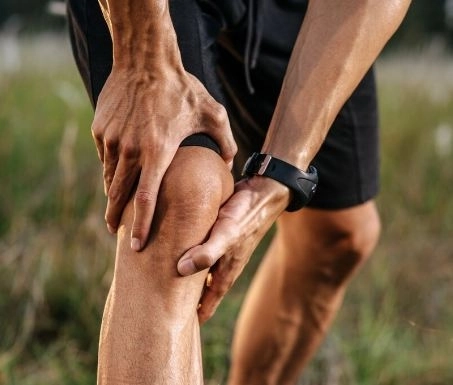
Knee hyperextension causes symptoms and treatment


The knee is one of the most important joints in the human body, as it bears a significant portion of the body's weight and plays a vital role in everyday movements such as walking, sitting, and climbing stairs. When a condition known as knee hyperextension occurs—where the joint extends backward beyond its normal range of motion—various problems may arise, including pain, instability, and difficulty controlling movement.Some people may assume that this condition is minor or not a cause for concern. In reality, however, it can indicate muscle weakness or an imbalance within the joint, and it may worsen over time if not managed properly. Questions also frequently arise regarding the role of factors such as excess body weight and whether it increases pressure on the knee and contributes to the progression of the condition.In this article by Dalili Medical, we will provide a comprehensive overview of knee hyperextension, including its causes, symptoms, and treatment options. We will also discuss whether excess weight is a contributing factor in the development or worsening of this condition.

What Is Knee Hyperextension?

Knee hyperextension, sometimes referred to as a "back-knee" deformity, occurs when the knee joint extends backward beyond its normal range of motion, surpassing the natural straight alignment of the joint.

This condition may occur during sports activities, as a result of falls, or following sudden traumatic injuries. In some cases, excessive extension can strain or tear the ligaments, tendons, or muscles surrounding the knee, leading to varying degrees of pain and impaired joint function. While some individuals experience only mild discomfort, others may sustain more serious injuries that require medical attention.

Is Knee Hyperextension Dangerous?

In mild cases, knee hyperextension is generally not considered serious. However, when the condition is severe or recurrent, it may lead to several complications, including:

  • Persistent or chronic knee pain

  • Joint weakness or instability

  • Injuries to the ligaments or cartilage surrounding the knee

Can Knee Hyperextension Cause Osteoarthritis?

Yes. If left untreated for an extended period, knee hyperextension may place abnormal stress on the joint, which can contribute to:

  • Cartilage wear and degeneration

  • Early-onset knee osteoarthritis

For this reason, early diagnosis and appropriate treatment are recommended to help prevent long-term complications.

How Can I Tell the Difference Between Mild and Severe Knee Hyperextension?

The distinction can generally be made as follows:

Mild Knee Hyperextension

  • Usually painless

  • No sensation of instability

  • Does not significantly affect daily activities

Severe Knee Hyperextension

  • Accompanied by noticeable pain

  • Feeling that the knee "gives way" or is unstable

  • Difficulty walking or performing daily activities

Does Knee Hyperextension Affect One Knee or Both?

Knee hyperextension may occur in:

One Knee

  • Often due to an injury or weakness affecting one side of the body

Both Knees

  • Commonly associated with generalized joint hypermobility or overall muscle weakness

Can Children Develop Knee Hyperextension?

Yes. Knee hyperextension can occur in children and is relatively common due to:

  • Naturally increased ligament flexibility

In many cases, the condition improves with age or through appropriate strengthening exercises.

Is Knee Hyperextension Hereditary?

Yes. Genetic factors may play a role, particularly when there is:

  • A family history of joint hypermobility

  • Certain hereditary conditions associated with increased flexibility throughout the body

Can Poor Sitting or Standing Posture Cause Knee Hyperextension?

Poor posture is not usually a direct cause, but it may worsen the condition, especially when:

  • Standing with the knees locked backward for prolonged periods

  • Distributing body weight improperly across the joint

Does Knee Hyperextension Affect Sports Performance?

Yes. Knee hyperextension can negatively impact performance in activities such as:

  • Running

  • Soccer

  • Jumping sports

This is because it increases the risk of joint instability and injury.

Can a Knee Brace Treat Knee Hyperextension?

No. A knee brace is not a definitive treatment, but it can serve as a supportive aid by:

  • Providing additional stability during movement

  • Temporarily limiting excessive knee extension

However, it should be used alongside a structured physical therapy and rehabilitation program for optimal results.

Can Knee Hyperextension Cause Back Problems?

Yes. In some cases, the body compensates for knee instability by altering posture and movement patterns, which may result in:

  • Increased strain on the lower back muscles

  • Changes in standing and walking mechanics

Does Excess Body Weight Worsen Knee Hyperextension?

Yes. Excess weight can:

  • Increase pressure on the knee joint

  • Reduce the joint's ability to control movement efficiently

As a result, it may aggravate knee hyperextension and contribute to greater instability.

Types of Knee Hyperextension

Knee hyperextension can be classified according to its cause, severity, and clinical presentation.

1. Physiological Hyperextension

This is the mildest form and is characterized by:

  • Being a natural variation in some individuals

  • Slight backward extension of the knee, usually without pain

  • Minimal problems unless the degree of hyperextension becomes excessive

2. Functional Hyperextension

This type is commonly caused by:

  • Weakness in the leg muscles

  • Abnormal movement patterns

It typically presents as:

  • Excessive knee locking during standing or walking

  • Mild instability or joint fatigue

3. Post-Traumatic Hyperextension

This occurs following knee injuries such as:

  • Anterior cruciate ligament (ACL) tears

  • Ligament or cartilage injuries

Common features include:

  • Noticeable joint instability

  • Moderate to severe pain

4. Hyperextension Due to Ligamentous Laxity

This type occurs in individuals with:

  • Generalized joint hypermobility

It results from:

  • Loose ligaments that allow excessive joint movement

It may affect multiple joints, not just the knees.

5. Severe Pathological Hyperextension

This is the most serious form and is often associated with:

  • Significant joint abnormalities

  • Neurological conditions

Key characteristics include:

  • Severe knee instability

  • A clear sensation that the knee is giving way

  • Significant impairment of walking, balance, and daily activities

Causes of Knee Hyperextension

Knee hyperextension occurs when the knee bends backward beyond its normal range of motion. Common causes include:

1. Muscle Weakness

Weakness in the hamstrings or quadriceps can reduce joint stability, allowing excessive extension.

2. Ligament Laxity

Some individuals have naturally flexible ligaments (joint hypermobility), making the knee more susceptible to excessive movement.

3. Previous Knee Injuries

Ligament injuries, particularly ACL tears, can compromise knee stability and increase the likelihood of hyperextension.

4. Impaired Neuromuscular Control

Poor coordination between the nervous system and muscles may affect knee control during standing and walking, leading to excessive extension.

5. Poor Standing or Walking Mechanics

Habitually locking the knees backward or placing weight incorrectly on the joint can contribute to the condition.

6. Structural or Congenital Factors

In some individuals, the shape of the joint or bone alignment may predispose the knee to hyperextension.

7. Weak Hip and Ankle Muscles

Weakness in the muscles supporting the hips or ankles can indirectly reduce knee stability and contribute to abnormal movement patterns.

Symptoms of Knee Hyperextension

The symptoms of knee hyperextension vary in severity from one person to another and may range from mild to pronounced. Common symptoms include:

1. Excessive Knee Extension Sensation

A feeling that the knee locks or extends backward beyond its normal range during standing or walking.

2. Knee Pain

Pain is commonly felt:

  • At the back of the knee

  • Around the knee joint

The discomfort often worsens with prolonged standing or walking.

3. Joint Instability

A sensation that the knee is "giving way" or unable to adequately support body weight, particularly during running, climbing stairs, or other weight-bearing activities.

4. Muscle Tightness or Stiffness

Especially in the hamstring muscles, which may become overactive in an attempt to compensate for joint instability.

5. Mild Swelling

Some individuals may experience mild swelling due to repetitive stress or injury.

6. Clicking or Abnormal Joint Movement

Patients may notice unusual sounds, sensations, or movement within the knee joint during motion.

7. Difficulty Performing Daily Activities

Such as:

  • Standing for extended periods

  • Walking long distances

  • Participating in sports or exercise

8. Changes in Walking Pattern

A slight limp or altered gait may develop as the individual attempts to avoid pain or compensate for instability.

Medications for Knee Hyperextension

Medication is not considered a direct treatment for knee hyperextension because it does not correct the excessive extension of the joint itself. Instead, medications are used to relieve associated symptoms such as pain and inflammation. The primary treatment remains physical therapy and muscle-strengthening exercises.

1. Pain Relievers (Analgesics)

These medications are commonly used for mild to moderate pain, including:

  • Paracetamol (Acetaminophen)

Benefits include:

  • Pain relief

  • Minimal anti-inflammatory effect

They are typically used on an as-needed basis, particularly in mild cases.

2. Nonsteroidal Anti-Inflammatory Drugs (NSAIDs)

NSAIDs are among the most commonly prescribed medications when pain and inflammation are present, including:

  • Ibuprofen

  • Diclofenac

  • Naproxen

These medications help:

  • Reduce pain

  • Decrease swelling and inflammation around the joint

Important: NSAIDs should be used with caution, especially in individuals with stomach, kidney, or other medical conditions, and preferably under medical supervision.

3. Muscle Relaxants

Muscle relaxants may be prescribed when muscle tightness or spasms occur around the knee, such as:

  • Tizanidine

  • Other similar medications depending on the clinical situation

Potential benefits include:

  • Reducing muscle spasms

  • Improving comfort during movement

4. Topical Treatments (Creams and Gels)

Topical anti-inflammatory preparations, such as diclofenac gel, may be used to:

  • Relieve localized pain

  • Reduce symptoms in mild cases

5. Nutritional Supplements (In Selected Cases)

Although not a direct treatment for knee hyperextension, certain supplements may support joint health over time, including:

  • Glucosamine

  • Chondroitin

  • Vitamin D (when deficiency is present)

Important Note

Medications:

❌ Do not correct knee hyperextension itself

✔️ Help relieve pain and inflammation

✔️ The underlying issue of joint instability is primarily addressed through:

  • Physical therapy

  • Muscle-strengthening exercises

  • Movement retraining and biomechanical correction

When Are Medications Recommended?

Medications may be appropriate when there is:

  • Significant pain

  • Inflammation following physical activity

  • Difficulty moving due to muscle tightness or spasms

In mild cases, medication may not be necessary.

Surgical Treatment for Knee Hyperextension

Surgical treatment for knee hyperextension is relatively uncommon and is generally reserved for severe cases involving significant joint instability or when conservative treatments, such as physical therapy, have failed. The primary goal of surgery is to stabilize the knee and prevent excessive backward extension.

1. Anterior Cruciate Ligament (ACL) Reconstruction

When Is It Performed?

  • In cases of a torn or severely injured anterior cruciate ligament (ACL)

  • When substantial knee instability is present

Procedure

The damaged ACL is replaced with a graft.

The graft may be obtained from:

  • The patient's own tissue (autograft), such as the hamstring tendon or patellar tendon

  • A donor tissue graft (allograft) in selected cases

Goals of ACL Reconstruction

  • Restore joint stability

  • Prevent abnormal forward and backward movement of the knee

2. Posterior Capsulodesis

When Is It Performed?

  • In cases of significant laxity in the posterior aspect of the knee joint

  • In patients with severe knee hyperextension

Procedure

The procedure may involve:

  • Tightening the posterior knee ligaments

  • Shortening the posterior joint capsule

  • Using surgical sutures or fixation devices to maintain proper alignment

Goal

  • Prevent excessive backward extension (hyperextension) of the knee

3. Osteotomy (Bone Realignment Surgery)

When Is It Performed?

  • In very severe cases of knee hyperextension

  • When abnormal leg alignment or mechanical axis deviation is present

Procedure

A controlled surgical cut is made in the femur or tibia, followed by realignment of the bone and fixation using:

  • Metal plates

  • Surgical screws

Goals

  • Correct the mechanical axis of the leg

  • Reduce abnormal stress on the knee joint

  • Limit excessive knee hyperextension

4. Hamstring Procedures

When Are They Performed?

  • In cases of severe hamstring weakness or excessive laxity

Procedure

The surgeon may:

  • Shorten the hamstring tendons

  • Reposition the tendons

  • Secure them in a biomechanically advantageous position to improve joint support

Goal

  • Reduce excessive backward movement of the knee during standing and walking

5. Ligament Repair or Tightening

When Is It Performed?

  • When the medial or lateral collateral ligaments are excessively lax or injured

Procedure

The surgery may involve:

  • Tightening the collateral ligaments

  • Repairing torn ligament tissue when necessary

Goals

  • Improve side-to-side stability of the knee

  • Reduce abnormal joint movement

6. Arthroscopic Surgery

When Is It Performed?

  • In patients with mild to moderate intra-articular knee injuries

Procedure

A small camera (arthroscope) is inserted into the knee joint through tiny incisions. The surgeon may then:

  • Repair cartilage damage

  • Treat ligament injuries

  • Remove damaged tissue or degenerative debris

Goals

  • Improve joint function

  • Reduce pain and inflammation

Important Note

Surgery is generally not considered the first-line treatment for knee hyperextension because:

  • It is not appropriate for all patients

  • It is typically reserved for severe or chronic cases

Conservative treatment, particularly physical therapy and muscle strengthening, should always be attempted before considering surgical intervention.

Exercises for Knee Hyperextension

Exercise therapy is the cornerstone of knee hyperextension treatment because it focuses on strengthening the muscles that support the joint and improving stability, rather than relying solely on medication or bracing.

1. Quadriceps Strengthening Exercises

Quad Sets

How to Perform:

  • Sit or lie down with the knee extended

  • Tighten the thigh muscles as if pressing the knee downward

  • Hold for 5–10 seconds

  • Repeat 10–15 times

Benefit:
Helps prevent excessive backward knee extension.

Straight Leg Raise

How to Perform:

  • Lie on your back

  • Bend one knee while keeping the other leg straight

  • Raise the straight leg to the level of the opposite knee

  • Lower it slowly

Repetitions:
10–15 repetitions for 2–3 sets

Mini Squat

How to Perform:

  • Stand upright with a straight back

  • Perform a shallow squat without descending too deeply

  • Avoid fully locking the knees during movement

Repetitions:
10–12 repetitions

2. Hamstring Strengthening Exercises

Hamstring Curl

How to Perform:

  • Stand or lie face down

  • Bend the knee, bringing the heel toward the buttocks

  • Slowly return to the starting position

Repetitions:
10–15 repetitions per leg

Resistance Band Hamstring Curls

How to Perform:

  • Secure a resistance band around the ankle

  • Bend the knee against the band's resistance

Benefit:
Improves strength and joint stability.

3. Balance Training Exercises

Single-Leg Stand

How to Perform:

  • Stand on one leg

  • Maintain balance for 20–30 seconds

  • Switch legs and repeat

Benefit:
Enhances neuromuscular control and knee stability.

Balance Training on an Unstable Surface

How to Perform:

  • Stand on a cushion or balance pad

  • Repeat balance exercises on the unstable surface

Benefit:
Further improves joint stability and proprioception.

4. Hip Strengthening Exercises

Side-Lying Leg Raise

How to Perform:

  • Lie on one side

  • Raise the upper leg and slowly lower it

Repetitions:
10–15 repetitions

Glute Bridge

How to Perform:

  • Lie on your back with knees bent

  • Lift the hips upward

  • Hold for 5 seconds before lowering

Benefit:
Strengthens the gluteal muscles and improves knee stability.

5. Stretching Exercises

Hamstring Stretch

How to Perform:

  • Keep the leg straight

  • Gently lean forward until a mild stretch is felt

Important:
Avoid excessive force or pain during stretching.

Preventing Knee Hyperextension

Preventing knee hyperextension is essential for avoiding pain, instability, and long-term complications. Prevention focuses on strengthening muscles, improving movement mechanics, and protecting the joint.

1. Strengthen Supporting Muscles (Most Important Step)

Muscles play a critical role in stabilizing the knee and reducing reliance on passive ligament support.

Strengthen the Quadriceps

Examples include:

  • Quad Sets

  • Straight Leg Raises

  • Mini Squats without fully locking the knees

Strengthen the Hamstrings

Examples include:

  • Hamstring Curls

  • Resistance Band Exercises

Strengthen the Hip Muscles

Examples include:

  • Side-Lying Leg Raises

  • Proper sit-to-stand exercises

2. Improve Standing and Walking Mechanics

  • Avoid locking the knees backward while standing

  • Maintain a slight bend in the knees during prolonged standing

  • Walk with a natural gait pattern without excessive joint stress

3. Perform Balance and Neuromuscular Training

Exercises may include:

  • Single-leg balance drills

  • Balance pad exercises

  • Controlled directional-change exercises

These activities improve joint control and stability during movement.

4. Stretch Correctly

  • Gently stretch the hamstring muscles

  • Stretch the calf muscles, as they can influence knee loading patterns

5. Use Supportive Devices When Necessary

In selected cases, the following may be beneficial:

  • Knee braces

  • Athletic taping during sports activities

6. Avoid Harmful Habits

  • Standing for prolonged periods with the knees locked backward

  • Exercising without proper warm-up

  • Repeatedly shifting weight onto one leg

  • Fully locking the knees during exercises

7. Maintain a Healthy Weight

Excess body weight increases the load placed on the knee joint, which may worsen hyperextension and reduce the body's ability to control movement effectively.


هل الوزن الزائد يزيد من خطر الإصابة بفرط تمدد الركبة ويؤثر على استقرار المفصل أثناء المشي والحركة اليوميةما هي أفضل طرق علاج فرط تمدد الركبة بدون جراحة للأشخاص الذين يعانون من عدم ثبات الركبة وآلام متكررة أثناء الوقوفكيف يمكن علاج فرط تمدد الركبة الناتج عن ضعف عضلات الفخذ الأمامية والخلفية باستخدام العلاج الطبيعي والتمارين التأهيليةهل يمكن أن يؤدي فرط تمدد الركبة غير المعالج إلى الإصابة بخشونة مبكرة في المفصل وتآكل الغضاريف مع مرور الوقتهل تساعد تمارين تقوية عضلات الفخذ والورك في علاج فرط تمدد الركبة وتحسين ثبات المفصل أثناء المشي والجريهل يمكن أن يسبب فرط تمدد الركبة ألمًا في أسفل الظهر نتيجة تغير طريقة الوقوف والمشي وتحميل الوزن بشكل غير متوازنأفضل برنامج علاج طبيعي لعلاج فرط تمدد الركبة وتحسين التوازن والتحكم العصبي العضلي وتقوية العضلات الداعمة للمفصلهل ارتخاء الأربطة وزيادة مرونة المفاصل من الأسباب الرئيسية لحدوث فرط تمدد الركبة عند الأطفال والبالغينهل يمكن علاج فرط تمدد الركبة المزمن الناتج عن إصابات الأربطة السابقة من خلال العلاج الطبيعي دون الحاجة إلى الجراحةما العلاقة بين زيادة مرونة المفاصل الوراثية وفرط تمدد الركبة وتأثيرها على الأداء الرياضي وصحة المفاصل مستقبلاًكيف يؤثر ضعف عضلات الورك والفخذ والساق على زيادة فرط تمدد الركبة وصعوبة التحكم في الحركة اليوميةأسباب الشعور بأن الركبة تفلت أثناء المشي وصعود السلالم وعلاقتها بفرط تمدد الركبة وعدم استقرار المفصلما هي أعراض فرط تمدد الركبة الشديد التي تدل على وجود إصابة في الأربطة أو الغضاريف وتحتاج إلى تدخل طبيهل يمكن الشفاء نهائيًا من فرط تمدد الركبة المزمن باستخدام العلاج الطبيعي وتمارين التأهيل وتقوية العضلاتكيفية علاج فرط تمدد الركبة الناتج عن ارتخاء الأربطة وضعف العضلات وتحسين القدرة على المشي والحركةهل الوزن الزائد يسبب فرط تمدد الركبة ويزيد من خطر الإصابة بخشونة المفاصل وعدم استقرار الركبة أثناء المشيهل الوزن الزائد والسمنة المفرطة يزيدان من خطر الإصابة بفرط تمدد الركبة ويؤديان إلى ضعف ثبات المفصل وزيادة احتمالية الإصابة بخشونة الركبة وآلام المفاصل على المدى الطويلما هي أفضل طرق علاج فرط تمدد الركبة الناتج عن ضعف عضلات الفخذ الأمامية والخلفية باستخدام العلاج الطبيعي والتمارين التأهيلية دون الحاجة إلى التدخل الجراحيهل يمكن أن يؤدي إهمال علاج فرط تمدد الركبة لفترات طويلة إلى حدوث تآكل تدريجي في غضاريف الركبة وزيادة احتمالية الإصابة بخشونة المفاصل وصعوبة الحركة اليوميةما هي أفضل التمارين المنزلية التي تساعد على تقوية عضلات الفخذ والورك والساق وتحسين استقرار الركبة والحد من مشكلة فرط التمدد الخلفي للمفصلهل يمكن أن يسبب فرط تمدد الركبة المزمن آلامًا في أسفل الظهر والحوض نتيجة تغير طريقة الوقوف والمشي وتحميل الوزن بشكل غير متوازن على مفاصل الجسم المختلفةهل استخدام دعامة الركبة أثناء المشي أو ممارسة الرياضة يساعد في تقليل أعراض فرط تمدد الركبة وتحسين ثبات المفصل وتقليل احتمالية التعرض للإصابات المتكررةأسباب الشعور بطقطقة داخل الركبة مع وجود ألم خلف المفصل وعدم استقرار أثناء المشي وهل يرتبط ذلك بفرط تمدد الركبة أو إصابات الأربطة والغضاريفكيف يمكن الوقاية من فرط تمدد الركبة عند الأشخاص الذين يقفون لفترات طويلة في العمل أو يمارسون الأنشطة الرياضية التي تتطلب الجري والقفز وتغيير الاتجاههل يؤدي ضعف عضلات الفخذ الخلفية وضعف التحكم العصبي العضلي إلى زيادة خطر الإصابة بفرط تمدد الركبة وعدم القدرة على التحكم في حركة المفصل أثناء المشيأفضل برنامج علاج طبيعي لتقوية العضلات الداعمة للركبة وتحسين التوازن وتقليل فرط التمدد الخلفي ومنع الشعور بعدم استقرار المفصل أثناء الحركةهل يمكن أن تؤثر زيادة مرونة المفاصل الوراثية على استقرار الركبة وتزيد من احتمالية الإصابة بفرط تمدد الركبة لدى الأطفال والمراهقين والبالغينكيف يمكن تحسين طريقة الوقوف والمشي وصعود السلالم للحد من الضغط الواقع على الركبة وتقليل فرص زيادة فرط التمدد وعدم الاستقرار مع مرور الوقتما هي أسباب فرط تمدد الركبة بعد التعرض لإصابة رياضية أو حادث مفاجئ وكيف يمكن استعادة ثبات المفصل ومنع تكرار الإصابة في المستقبلهل يمكن أن يؤدي فرط تمدد الركبة إلى الشعور بالتعب السريع في الساقين وصعوبة الوقوف لفترات طويلة بسبب ضعف العضلات وعدم كفاءة التحكم الحركيما هي أفضل النصائح الطبية والعلاجية للأشخاص الذين يعانون من فرط تمدد الركبة ويرغبون في تحسين ثبات المفصل وتقليل الألم والعودة إلى حياتهم الطبيعيةكيف يؤثر الوزن الزائد على ميكانيكية حركة الركبة وزيادة الحمل على المفصل وإضعاف القدرة على التحكم في الحركة لدى الأشخاص المصابين بفرط تمدد الركبةما هي مضاعفات عدم علاج فرط تمدد الركبة في المراحل المبكرة وتأثير ذلك على الأربطة والغضاريف والعظام والقدرة على المشي والحركة اليوميةكيف يمكن تقوية عضلات الورك والفخذ والساق بطريقة صحيحة لتوفير دعم أفضل لمفصل الركبة ومنع حدوث فرط التمدد أثناء الوقوف أو المشي أو ممارسة الرياضةهل يمكن أن يسبب فرط تمدد الركبة المتكرر إصابات إضافية في الأربطة والغضاريف ويزيد من احتمالية الحاجة إلى العلاج الجراحي في المستقبلما العلاقة بين ضعف عضلات الحوض والفخذ وعدم استقرار الركبة وزيادة خطر الإصابة بفرط التمدد الخلفي وتأثير ذلك على طريقة المشي والتوازنهل يؤثر فرط تمدد الركبة على النشاطات اليومية مثل الجلوس والقيام وصعود السلالم وحمل الأوزان الخفيفة والمتوسطة خلال الحياة اليوميةكيف يمكن اكتشاف فرط تمدد الركبة في مراحله المبكرة والبدء في العلاج المناسب قبل حدوث مضاعفات تؤثر على جودة الحياة والحركة الطبيعيةهل تساعد تمارين التوازن والتحكم العصبي العضلي في تقليل فرط تمدد الركبة وتحسين قدرة الجسم على الحفاظ على استقرار المفصل أثناء الحركةكيف يمكن الحفاظ على صحة مفصل الركبة وتقوية العضلات المحيطة به وتقليل احتمالية الإصابة بفرط التمدد أو تكرار المشكلة بعد العلاج والتأهيلهل يمكن أن يكون فرط تمدد الركبة علامة على وجود اضطرابات في الأربطة أو زيادة عامة في مرونة المفاصل تستدعي تقييمًا طبيًا متخصصًاما هي أفضل الطرق الطبيعية والطبية لتخفيف ألم الركبة الناتج عن فرط التمدد وتحسين استقرار المفصل دون التأثير على القدرة على الحركة والنشاط اليوميكيف يؤثر فرط تمدد الركبة على الرياضيين المحترفين والهواة وما هي أهم التوصيات الطبية للحفاظ على الأداء الرياضي وتقليل خطر الإصابات المستقبليةهل يمكن أن يؤدي الوزن الزائد إلى زيادة الضغط على مفصل الركبة والتسبب في تفاقم أعراض فرط تمدد الركبة وصعوبة التحكم في الحركة أثناء المشي والوقوف لفترات طويلةما هي أفضل التمارين العلاجية التي تساعد على تقوية عضلات الفخذ الأمامية والخلفية وتحسين استقرار الركبة لدى الأشخاص المصابين بفرط تمدد الركبة المزمنكيف يمكن علاج فرط تمدد الركبة الناتج عن ارتخاء الأربطة وزيادة مرونة المفاصل دون الحاجة إلى إجراء جراحة أو استخدام دعامات لفترات طويلةهل يسبب فرط تمدد الركبة ألمًا خلف المفصل أثناء المشي أو الجري وما هي أفضل الطرق الطبية والطبيعية للتخفيف من هذه الأعراض وتحسين الأداء الحركيهل يمكن أن يؤدي الوقوف الخاطئ مع فرد الركبة للخلف بشكل متكرر إلى زيادة احتمالية الإصابة بفرط تمدد الركبة وتفاقم أعراض الألم وعدم الثبات مع مرور الوقتكيف تؤثر إصابات الرباط الصليبي الأمامي أو الأربطة الجانبية على زيادة فرط تمدد الركبة وما هي أفضل الطرق لاستعادة ثبات المفصل بعد الإصابةما العلاقة بين ضعف عضلات الحوض والفخذين والساقين وبين زيادة خطر الإصابة بفرط تمدد الركبة وتأثير ذلك على التوازن وطريقة المشي الطبيعيةهل يمكن أن يؤدي إهمال علاج فرط تمدد الركبة إلى حدوث تغيرات دائمة في ميكانيكية الحركة وزيادة الضغط على مفاصل الورك وأسفل الظهر والكاحلينأفضل طرق العلاج الطبيعي الحديثة لعلاج فرط تمدد الركبة وتحسين التحكم العصبي العضلي وتقوية العضلات المسؤولة عن دعم واستقرار المفصلكيف يمكن للأشخاص الذين يعانون من زيادة مرونة المفاصل الوراثية حماية الركبة من فرط التمدد وتقليل خطر الإصابات الرياضية والمضاعفات طويلة المدىهل تؤثر السمنة وزيادة مؤشر كتلة الجسم على سرعة تدهور مفصل الركبة لدى المصابين بفرط التمدد وزيادة احتمالية الإصابة بخشونة الركبة المبكرةهل يمكن أن يسبب فرط تمدد الركبة صعوبة في صعود السلالم أو الجلوس والقيام المتكرر وما هي التمارين المناسبة لتحسين كفاءة المفصل والحركةكيف يمكن تحسين طريقة المشي لدى المصابين بفرط تمدد الركبة لتقليل الضغط على المفصل ومنع زيادة الأعراض أو تكرار الإصابات المستقبليةما هي أهم أسباب فرط تمدد الركبة عند النساء وهل تؤثر طبيعة الأربطة والهرمونات على زيادة معدلات الإصابة مقارنة بالرجالأفضل برنامج تأهيلي بعد إصابات الركبة للمساعدة في منع فرط التمدد وتحسين قوة العضلات واستعادة القدرة على الحركة بشكل طبيعي وآمنكيف يمكن الوقاية من فرط تمدد الركبة لدى الرياضيين الذين يمارسون كرة القدم وكرة السلة والجري والرياضات التي تتطلب القفز السريع وتغيير الاتجاهما هي المضاعفات المحتملة لفرط تمدد الركبة غير المعالج وتأثيره على الغضاريف والأربطة والعظام وجودة الحياة على المدى الطويلهل يمكن أن يكون فرط تمدد الركبة سببًا في الشعور بالإجهاد المستمر في الساقين أو التعب السريع أثناء المشي أو ممارسة الأنشطة البدنية المختلفةما هي أفضل الطرق لتقوية عضلات المؤخرة والورك لدعم استقرار الركبة وتقليل احتمالية حدوث فرط التمدد أثناء الحركة اليومية أو الرياضيةهل تؤثر زيادة مرونة المفاصل لدى الأطفال على احتمالية الإصابة بفرط تمدد الركبة وما هي العلامات التي تستدعي استشارة الطبيب المختصكيف يمكن تقليل خطر الإصابة بفرط تمدد الركبة لدى الأشخاص الذين يعملون في وظائف تتطلب الوقوف أو المشي لفترات طويلة بشكل يوميما هي أفضل الطرق العلاجية للتعامل مع فرط تمدد الركبة الناتج عن إصابات الملاعب أو الحوادث المفاجئة واستعادة استقرار المفصل بشكل كاملكيف يمكن للأشخاص المصابين بفرط تمدد الركبة ممارسة الرياضة بأمان دون زيادة الضغط على المفصل أو التسبب في تفاقم الأعراض والإصابات المصاحبةهل يمكن أن يؤدي ضعف عضلات الفخذ الأمامية والخلفية إلى زيادة فرط تمدد الركبة والشعور بعدم استقرار المفصل أثناء المشي والوقوف لفترات طويلةما هي أفضل طرق علاج فرط تمدد الركبة عند الأشخاص الذين يعانون من زيادة مرونة المفاصل وارتخاء الأربطة وتأثير ذلك على الحركة اليوميةهل يسبب فرط تمدد الركبة آلامًا مزمنة في المفصل مع التقدم في العمر وما هي أفضل الوسائل الوقائية لتجنب المضاعفات طويلة المدىكيف يمكن تقوية العضلات المحيطة بمفصل الركبة لتقليل فرط التمدد وتحسين التوازن ومنع الشعور بأن الركبة تفلت أثناء الحركةما هي العلاقة بين زيادة الوزن وضعف العضلات وفرط تمدد الركبة وتأثير هذه العوامل مجتمعة على استقرار المفصل وصحة الغضاريفهل يمكن أن يؤدي فرط تمدد الركبة إلى الإصابة المبكرة بخشونة المفاصل نتيجة زيادة الضغط غير الطبيعي على الغضاريف والأسطح المفصليةما هي أفضل تمارين العلاج الطبيعي التي تساعد على تحسين التحكم العصبي العضلي وتقليل فرط تمدد الركبة لدى الرياضيين وغير الرياضيينكيف يمكن تشخيص فرط تمدد الركبة بشكل دقيق وتحديد ما إذا كانت الحالة ناتجة عن إصابة سابقة أو زيادة مرونة الأربطة أو ضعف العضلاتهل تؤثر إصابات الركبة السابقة مثل تمزق الرباط الصليبي الأمامي أو الغضروف الهلالي على زيادة خطر الإصابة بفرط تمدد الركبة المزمنما هي أكثر الأخطاء شيوعًا أثناء التمارين الرياضية التي قد تؤدي إلى زيادة فرط تمدد الركبة وتفاقم الألم وعدم الاستقرار في المفصلهل يمكن أن يسبب فرط تمدد الركبة تغيرًا في طريقة المشي يؤدي إلى زيادة الضغط على الوركين وأسفل الظهر والكاحلين مع مرور الوقتكيف يمكن للأشخاص الذين يعانون من فرط تمدد الركبة ممارسة تمارين الجري واللياقة البدنية بأمان دون زيادة خطر الإصابات أو الألمما هي أفضل الطرق الطبيعية لتخفيف أعراض فرط تمدد الركبة وتحسين ثبات المفصل دون الاعتماد المستمر على الأدوية أو المسكناتهل تؤثر طبيعة العمل التي تتطلب الوقوف أو الحركة المستمرة على زيادة أعراض فرط تمدد الركبة وتفاقم مشكلة عدم استقرار المفصلما هي العلامات التي تدل على أن فرط تمدد الركبة أصبح يؤثر على جودة الحياة اليومية ويحتاج إلى برنامج علاجي وتأهيلي متخصصهل يمكن أن يؤدي ارتخاء الأربطة الوراثي إلى ظهور فرط تمدد الركبة في أكثر من مفصل وما هي أفضل طرق العلاج والمتابعةكيف يؤثر ضعف عضلات الورك والمؤخرة على استقرار الركبة وزيادة احتمالية حدوث فرط التمدد أثناء الوقوف أو المشي أو ممارسة الرياضةما هي أفضل التمارين المنزلية المناسبة للمبتدئين لعلاج فرط تمدد الركبة وتقوية العضلات الداعمة للمفصل بطريقة آمنةهل يمكن أن يؤدي إهمال علاج فرط تمدد الركبة إلى الحاجة إلى التدخل الجراحي في المستقبل بسبب تدهور استقرار المفصل أو إصابة الأربطةما هي العلاقة بين ضعف التحكم العصبي العضلي وعدم استقرار الركبة وزيادة خطر الإصابة بفرط تمدد الركبة لدى الشباب والرياضيينهل يمكن أن يسبب فرط تمدد الركبة الشعور بألم خلف الركبة أثناء صعود السلالم أو النزول منها أو بعد المشي لمسافات طويلةكيف يمكن تقليل الضغط الواقع على مفصل الركبة لدى الأشخاص المصابين بفرط التمدد من خلال تحسين نمط الحياة وإنقاص الوزنما هي أسباب استمرار ألم الركبة رغم العلاج الطبيعي وهل يمكن أن يكون فرط تمدد الركبة أحد الأسباب الخفية وراء ذلككيف يمكن التمييز بين ألم الركبة الناتج عن فرط التمدد وألم الركبة الناتج عن خشونة المفاصل أو إصابات الأربطة والغضاريفما هي أفضل النصائح الطبية للحفاظ على صحة الركبة لدى الأشخاص الذين يعانون من فرط تمدد الركبة ويزاولون أعمالًا تتطلب مجهودًا بدنيًاهل يمكن أن يؤدي فرط تمدد الركبة إلى تقليل الأداء الرياضي وزيادة احتمالية الإصابات العضلية وإصابات الأربطة أثناء المنافسات الرياضيةما هي أحدث التوصيات الطبية لعلاج فرط تمدد الركبة وتحسين وظيفة المفصل ومنع المضاعفات المرتبطة بضعف الثبات أو تآكل الغضاريفهل يمكن أن يؤدي الوزن الزائد مع ضعف عضلات الفخذ الأمامية والخلفية إلى زيادة مشكلة فرط تمدد الركبة والتسبب في عدم استقرار المفصل والشعور بالألم أثناء المشي وصعود السلالم والوقوف لفترات طويلة وما أفضل طرق العلاج الطبيعي لهذه الحالةما هي أفضل تمارين العلاج الطبيعي التي تساعد على تقوية عضلات الفخذ والورك وتحسين التوازن والتحكم العصبي العضلي وتقليل فرط تمدد الركبة ومنع الشعور بأن الركبة تفلت أثناء الحركة أو ممارسة الأنشطة الرياضية المختلفةهل يسبب فرط تمدد الركبة المزمن زيادة الضغط على غضاريف المفصل وتآكلها بمرور الوقت مما يؤدي إلى الإصابة بخشونة الركبة المبكرة وصعوبة الحركة وما هي أفضل طرق الوقاية والعلاج لتجنب هذه المضاعفاتكيف يمكن التمييز بين أعراض فرط تمدد الركبة وأعراض تمزق الرباط الصليبي الأمامي أو إصابات الغضروف الهلالي وما هي العلامات التي تشير إلى الحاجة لمراجعة طبيب العظام بشكل عاجلهل يمكن أن يؤدي الوقوف بطريقة خاطئة مع فرد الركبة للخلف بشكل متكرر ولساعات طويلة يوميًا إلى زيادة فرط تمدد الركبة والتسبب في آلام مزمنة وعدم استقرار المفصل وتأثير ذلك على جودة الحياة اليوميةما العلاقة بين زيادة مرونة المفاصل الوراثية وارتخاء الأربطة وفرط تمدد الركبة وما هي أفضل التمارين والطرق العلاجية التي تساعد على تحسين ثبات المفصل وتقليل خطر الإصابات المتكررةكيف يؤثر ضعف عضلات الورك والمؤخرة والساقين على استقرار الركبة أثناء المشي والجري وصعود السلالم وما علاقة ذلك بزيادة احتمالية الإصابة بفرط تمدد الركبة والشعور بعدم الثبات أثناء الحركةهل يمكن أن يؤدي إهمال علاج فرط تمدد الركبة لسنوات طويلة إلى حدوث تغيرات دائمة في طريقة المشي وتوزيع الوزن على الجسم وزيادة الضغط على مفاصل الورك وأسفل الظهر والكاحلينهل تساعد تمارين التوازن والوقوف على ساق واحدة واستخدام الوسائد غير المستقرة في تحسين التحكم العصبي العضلي وتقليل أعراض فرط تمدد الركبة وتحسين ثبات المفصل على المدى الطويلكيف يمكن للأشخاص الذين يعانون من زيادة الوزن والسمنة حماية مفصل الركبة من زيادة فرط التمدد وتقليل الضغط الواقع على المفصل وتحسين كفاءة الحركة اليومية وممارسة الرياضة بأمانهل يمكن أن يؤدي فرط تمدد الركبة إلى ضعف الأداء الرياضي وزيادة احتمالية الإصابة بتمزقات الأربطة والعضلات لدى لاعبي كرة القدم وكرة السلة والجري والرياضات التي تتطلب القفز المتكررما هي أهم النصائح الطبية للحفاظ على صحة الركبة ومنع زيادة فرط التمدد وتحسين قوة العضلات المحيطة بالمفصل لدى الأشخاص الذين يقفون أو يمشون لساعات طويلة يوميًاكيف يمكن اكتشاف فرط تمدد الركبة في مراحله المبكرة قبل حدوث تلف في الغضاريف أو الأربطة وما هي الفحوصات الطبية التي تساعد على تقييم درجة عدم استقرار المفصل بدقةهل يمكن أن يؤدي ارتخاء الأربطة الوراثي إلى الإصابة بفرط تمدد الركبة في كلتا الساقين وما هي أفضل الاستراتيجيات العلاجية والوقائية للحفاظ على استقرار المفاصل على المدى البعيدكيف يمكن للأشخاص المصابين بفرط تمدد الركبة ممارسة التمارين الرياضية وتمارين اللياقة البدنية وتمارين المقاومة بطريقة آمنة دون زيادة الضغط على المفصل أو التسبب في إصابات إضافيةما هي مضاعفات فرط تمدد الركبة غير المعالج على المدى الطويل وكيف يؤثر على الغضاريف والأربطة والعظام والقدرة على المشي والعمل وممارسة الأنشطة اليومية والرياضية بشكل طبيعيهل يمكن أن يؤدي ضعف العضلات المحيطة بالركبة إلى الشعور المتكرر بأن الركبة تفلت أثناء المشي أو الجري أو تغيير الاتجاهات المفاجئة وما هي أفضل طرق العلاج الطبيعي لهذه المشكلةكيف يمكن تقليل خطر الإصابة بفرط تمدد الركبة لدى الأطفال والمراهقين الذين يعانون من زيادة مرونة المفاصل وما هي التمارين المناسبة لتحسين الثبات العضلي والحركي في هذه المرحلة العمريةما هي العلاقة بين خشونة الركبة وفرط تمدد الركبة وهل يمكن أن يؤدي كل منهما إلى تفاقم الآخر من خلال زيادة الضغط على المفصل وتدهور كفاءة الحركة مع مرور الوقتهل يمكن أن يساعد إنقاص الوزن وتحسين اللياقة البدنية وتقوية العضلات المحيطة بالركبة في تقليل أعراض فرط تمدد الركبة وتحسين ثبات المفصل وتقليل احتمالية حدوث المضاعفات المستقبليةكيف يمكن تحسين طريقة المشي والوقوف والجلوس لدى الأشخاص المصابين بفرط تمدد الركبة لتقليل الضغط على المفصل ومنع زيادة الأعراض وتحسين جودة الحياة اليومية على المدى الطويلهل يمكن أن يؤدي فرط تمدد الركبة الناتج عن ضعف عضلات الفخذ الأمامية والخلفية مع زيادة الوزن والسمنة إلى زيادة الضغط على الغضاريف والأربطة والتسبب في آلام مزمنة بالمفصل وصعوبة في المشي والوقوف وممارسة الأنشطة اليومية والرياضية المختلفةما هي أفضل طرق علاج فرط تمدد الركبة عند الأشخاص الذين يعانون من ارتخاء الأربطة وزيادة مرونة المفاصل مع الشعور المستمر بعدم استقرار الركبة وصعوبة التحكم في الحركة أثناء الجري وصعود السلالم والوقوف لفترات طويلةهل يؤدي إهمال علاج فرط تمدد الركبة لفترات طويلة إلى زيادة احتمالية الإصابة بخشونة الركبة المبكرة وتآكل الغضاريف وضعف القدرة على الحركة وما هي أفضل الطرق للوقاية من هذه المضاعفات قبل حدوثهاما هي الأسباب الأكثر شيوعًا التي تؤدي إلى فرط تمدد الركبة عند البالغين والأطفال والرياضيين وكيف يمكن التعرف على العلامات المبكرة للحالة قبل أن تتطور إلى مشكلة مزمنة تؤثر على جودة الحياةكيف يمكن التمييز بين ألم الركبة الناتج عن فرط تمدد الركبة وألم الركبة الناتج عن خشونة المفاصل أو تمزق الأربطة أو إصابات الغضروف الهلالي وما هي الفحوصات الطبية اللازمة للتشخيص الدقيقهل يمكن أن يسبب فرط تمدد الركبة تغيرات في طريقة المشي تؤدي إلى زيادة الضغط على أسفل الظهر والوركين والكاحلين وما هي أفضل الطرق العلاجية لتصحيح نمط الحركة وتحسين التوازن العام للجسمهل تساعد دعامة الركبة الطبية أو الشريط اللاصق الرياضي في تقليل أعراض فرط تمدد الركبة وتحسين ثبات المفصل أثناء المشي والجري وممارسة الأنشطة الرياضية المختلفة بشكل آمنكيف يمكن للأشخاص الذين يعانون من زيادة مرونة المفاصل الوراثية حماية الركبة من فرط التمدد وتقليل خطر التعرض للإصابات أو المضاعفات المرتبطة بعدم استقرار المفاصل على المدى الطويلما هي أهم النصائح الطبية للحفاظ على صحة الركبة لدى الأشخاص المصابين بفرط تمدد الركبة والذين يمارسون أعمالًا تتطلب الوقوف لفترات طويلة أو مجهودًا بدنيًا متكررًا خلال اليومما هي أفضل طرق الوقاية من فرط تمدد الركبة لدى الرياضيين والأشخاص الذين يمارسون تمارين المقاومة والجري والقفز بشكل متكرر وكيف يمكن تقليل خطر الإصابات المصاحبة للحالة
What's your complaint?