

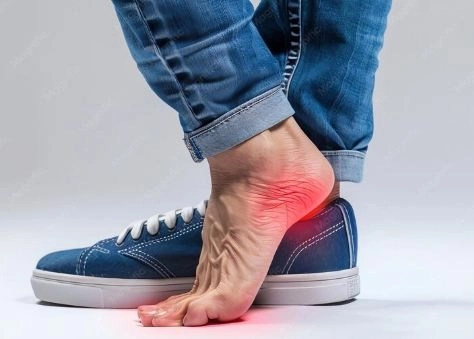
Medial heel swelling is a common problem that affects many people. Although it may seem minor at first, it can develop into persistent pain that interferes with daily activities and reduces quality of life. One of the most noticeable features of this condition is that the pain often becomes significantly worse upon waking up or during the first few steps in the morning, raising questions about the underlying cause. Many people also wonder whether this pain is related to excess body weight and whether the type of athletic footwear they use can contribute to the development or worsening of the condition. In this article, Dalyli Medical explains the causes of medial heel swelling, explores its relationship with body weight and footwear, and discusses the most effective ways to manage and prevent the problem.
Medial heel swelling is a condition characterized by swelling on the inner side of the heel. It commonly occurs as a result of inflammation in the surrounding tissues, overuse, or repeated injuries.
In most cases, heel swelling is not considered dangerous. However, it can become a chronic condition if left untreated or if diagnosis and treatment are delayed.
During sleep, the tissues around the heel remain in a shortened and tightened position. Upon waking and taking the first steps, the plantar fascia is suddenly stretched, which often leads to increased pain during the first movements of the day.
Mild cases may improve with rest and reduced activity. However, inflammatory conditions often require medication, therapeutic exercises, or medical intervention to achieve full recovery.
Light walking may be beneficial in some cases, as it helps maintain mobility and circulation. However, prolonged walking or walking on hard surfaces can aggravate inflammation and worsen symptoms.
Yes. Excess body weight increases the load placed on the heel, which can intensify inflammation, increase discomfort, and slow the healing process.
Comfortable athletic shoes that provide adequate heel cushioning and arch support can help prevent the condition and significantly reduce pain and discomfort.
Surgery is rarely required and is generally reserved for chronic cases that fail to respond to conservative treatment over an extended period.
Yes. Recurrence is possible if the underlying causes remain unaddressed, such as wearing inappropriate footwear, standing for long periods, or failing to modify daily habits.
This is the most common type and occurs due to inflammation of the tissues surrounding the heel.
Plantar fasciitis
Inflammation of the medial foot tendons
Pain during the first steps in the morning
Mild to moderate swelling
Slight warmth around the affected area
This type results from a direct injury or sudden strain to the foot.
Ankle or foot sprain
Falls or improper weight-bearing
Sudden swelling
Possible bruising
Increased pain with movement
Occurs when nerves in the foot become compressed or irritated.
Tarsal tunnel syndrome
Numbness or burning sensation
Pain radiating to the sole of the foot
Mild swelling accompanied by neurological symptoms
Develops as a result of excessive or repetitive stress on the foot.
Prolonged standing
Excessive walking or running
Wearing inappropriate footwear
Gradually increasing pain
Mild swelling that worsens with activity
Improvement with rest
Associated with long-term changes in the tissues or bones of the foot.
Heel spur
Degeneration or wear of foot tissues
Chronic pain
Morning stiffness
Persistent or recurrent swelling
Results from underlying systemic diseases or infections.
Arthritis
Infection (especially when accompanied by marked redness and warmth)
Persistent swelling
Redness and significant warmth
Symptoms associated with the underlying condition
One of the most common causes of medial heel swelling. It occurs when the plantar fascia—the thick band of tissue extending from the heel to the toes—becomes inflamed.
Noticeable pain upon waking in the morning
Increased pain after prolonged standing
Mild swelling on the inner side of the heel
Inflammation or overuse of the tendons along the inner side of the foot can lead to pain and swelling.
Prolonged walking or running
Wearing inappropriate footwear
Sudden increases in physical activity
A heel spur may not always cause pain, but it is often associated with chronic inflammation in the heel region.
Sharp heel pain or a stabbing sensation
Ongoing inflammation in the affected area
Direct trauma, improper weight-bearing, or sudden twisting of the foot may result in medial heel swelling.
Swelling on one side of the heel
Pain that worsens with movement
This condition occurs when the nerves passing through the tarsal tunnel become compressed or irritated.
Pain accompanied by numbness or a burning sensation
Pain that may radiate to the sole of the foot
Mild swelling related to nerve compression
Both factors increase pressure on the heel and can contribute to gradual inflammation and persistent discomfort.
Arthritis
Infection (especially when accompanied by redness and warmth)
Circulatory disorders
Diagnosing medial heel swelling (swelling on the inner side of the heel) is essential for identifying the underlying cause and selecting the most appropriate treatment. Evaluation is typically performed by an orthopedic specialist or foot and ankle specialist.
The diagnostic process usually begins with a detailed medical history and physical examination.
The physician may ask:
When did the pain begin?
Is the pain worse in the morning, during walking, or at rest?
Was there any previous injury or trauma to the foot?
What is the nature of your daily activities or occupation (e.g., prolonged standing, sports)?
What type of footwear do you regularly use, and does it provide adequate support?
The physician may:
Apply pressure to the inner heel to identify the exact location of pain
Assess the range of motion of the foot and ankle
Check for swelling, warmth, or redness
Evaluate nerve function if numbness or burning sensations are present
Observe walking patterns and weight distribution on the foot
Additional investigations may be recommended if symptoms persist or if confirmation of the diagnosis is required.
An X-ray can help identify:
Heel spurs
Bone abnormalities
Signs of chronic structural changes
Ultrasound is useful for:
Diagnosing plantar fasciitis
Assessing tissue thickness
Evaluating the degree of inflammation
MRI is typically reserved for more complex cases or when there is suspicion of:
Soft tissue tears
Tendon injuries
Nerve compression
It provides highly detailed images of soft tissues, tendons, and surrounding structures.
Blood tests may be ordered when arthritis, infection, or systemic inflammatory conditions are suspected.
Examples include:
Erythrocyte Sedimentation Rate (ESR)
C-Reactive Protein (CRP)
The physician will distinguish medial heel swelling from other conditions that may produce similar symptoms, including:
Plantar fasciitis (the most common cause)
Heel spur
Tendinitis
Nerve disorders such as Tarsal Tunnel Syndrome
Foot injuries or contusions
Arthritic conditions
Prompt medical attention is recommended if any of the following occur:
Severe pain that prevents walking
Rapidly increasing swelling
Significant redness and warmth
Persistent numbness or loss of sensation in the foot
Complications of medial heel swelling typically develop when treatment is delayed or the condition is left untreated. Their severity depends on the underlying cause, whether it is inflammation, overuse, or injury.
Pain may progress from a temporary symptom to a persistent condition.
Discomfort may continue even during periods of rest.
Daily mobility and quality of life can be significantly affected.
To avoid pain, patients may gradually alter their walking pattern by:
Shifting weight away from the heel
Walking on the forefoot instead of the heel
Over time, this compensation may place additional stress on the knees, hips, and lower back.
Untreated mild inflammation may become chronic, leading to:
Thickening of tissues around the heel
Persistent swelling
Delayed healing and recovery
This complication is particularly associated with plantar fasciitis.
A bony heel spur may develop or enlarge if already present.
Standing and walking may become increasingly painful.
Inflammation and swelling may irritate or compress nearby nerves, resulting in:
Numbness
Burning sensations
Pain radiating to the sole of the foot
Long-term changes in gait can contribute to:
Knee pain
Hip joint pain
Lower back pain
Patients may experience:
Difficulty standing for prolonged periods
Reduced participation in physical and sports activities
Negative effects on work performance and daily life
Medical evaluation is recommended if any of the following occur:
Pain persists for more than 2–3 weeks
Noticeable increase in swelling
Numbness or excessive warmth in the affected area
Difficulty walking or bearing weight
The medical treatment of medial heel swelling depends on the underlying cause, such as plantar fasciitis or tendinitis. Physicians typically prescribe medications aimed at relieving pain and reducing inflammation.
NSAIDs are often considered the first-line treatment.
Ibuprofen
Diclofenac
Naproxen
Reduce pain
Decrease inflammation and swelling
Improve mobility and function
These medications should generally be used for a limited period and under medical supervision, particularly in individuals with stomach, kidney, or cardiovascular conditions.
Used in mild to moderate cases.
Paracetamol (Acetaminophen)
Relieves pain
Has little or no anti-inflammatory effect
May be prescribed when muscle tightness or spasms contribute to symptoms.
Tizanidine
Baclofen (less commonly used)
Reduce muscle spasms
Decrease stress on the heel region
Applied directly to the painful area.
Diclofenac gel
Anti-inflammatory creams
Direct local action
Lower risk of systemic side effects compared with oral medications
Corticosteroids are generally not used as a first-line treatment and are reserved for more severe or persistent cases.
Typically prescribed only for a very short duration.
Injected directly into the affected heel region.
Can provide rapid reduction of inflammation and pain.
Repeated injections should be avoided whenever possible due to the risk of complications, including weakening of surrounding tissues.
Specific treatments may be required when a particular medical condition is responsible for the swelling.
Gout medications for elevated uric acid levels
Antibiotics for infections (rare cases)
Immunomodulatory medications for inflammatory arthritis
Although not considered primary treatment, certain supplements may support recovery.
Vitamin D (for deficiency)
Calcium (to support bone health)
Magnesium (to help reduce muscle tightness)
Medication alone is usually not sufficient for successful treatment. It should be combined with:
Relative rest and activity modification
Wearing supportive and comfortable footwear
Ice therapy
Stretching and strengthening exercises for the foot and calf muscles
A physician should reevaluate the treatment plan if any of the following occur:
No improvement within 1–2 weeks
Increasing pain or swelling
Development of numbness or severe symptoms
In such cases, additional imaging studies or modifications to the treatment strategy may be necessary.
Surgical treatment for medial heel swelling is generally considered a last resort. Surgery is typically recommended only after conservative treatments—such as medications, physical therapy, supportive footwear, and injections—have failed over an extended period, or when there is a clearly identifiable condition that requires surgical intervention.
Surgery may be recommended in the following situations:
Severe pain persisting for 6–12 months
Failure of medications, physical therapy, and injection treatments
A large and painful heel spur
Severe chronic plantar fasciitis
Nerve compression (such as Tarsal Tunnel Syndrome)
Significant tendon injury or tendon rupture
This is one of the most common surgical procedures for chronic plantar fasciitis.
To reduce tension within the inflamed plantar fascia that is responsible for persistent heel pain.
Performed under local or regional anesthesia
A small incision is made in the heel, or the procedure is performed endoscopically
A portion of the plantar fascia is released to reduce tension
The incision is closed with simple sutures
Reduced pressure on the heel
Relief of chronic pain
Performed when a heel spur is clearly identified as the primary source of pain.
A small surgical incision or endoscopic approach is used
The excess bony growth is removed from the heel bone
Inflamed tissue is cleaned and treated
The incision is closed
Heel spur surgery is generally performed only when the spur is confirmed to be the primary cause of symptoms.
Used to relieve compression of nerves passing through the tarsal tunnel.
A surgical incision is made along the inner side of the ankle
Structures compressing the nerve are released
Scar tissue or adhesions are removed if present
The incision is closed
Reduction of numbness and burning sensations
Improved nerve function and sensation in the foot
Recommended in cases of severe tendon inflammation, degeneration, or rupture.
Surgical exposure of the affected tendon
Removal of damaged or inflamed tissue
Repair of tendon tears when present
Tendon stabilization if necessary
Closure of the surgical wound
A modern alternative to traditional open surgery.
Very small skin incisions are created
A miniature camera is inserted into the surgical area
Specialized instruments are used to perform the repair
The procedure is completed with minimal tissue disruption
Less postoperative pain
Faster recovery
Reduced risk of complications
Smaller scars
Regardless of the procedure performed, recovery commonly includes:
Rest for approximately 2–6 weeks
Temporary use of crutches during the early recovery phase
Pain-relieving and anti-inflammatory medications
Gradual introduction of physical therapy
Use of supportive orthopedic footwear
Although uncommon, potential complications may include:
Persistent postoperative pain
Temporary swelling
Foot stiffness
Infection
Mild weakness of foot muscles
In most cases, surgery is not required.
Approximately 90% of patients improve with non-surgical treatment.
Surgery is generally reserved for severe, chronic, or treatment-resistant cases.
Therapeutic exercises are among the most effective treatments for medial heel swelling, particularly when symptoms are caused by plantar fasciitis or repetitive overuse. These exercises help reduce tissue tension, improve flexibility, strengthen supporting muscles, and gradually relieve pain.
Stand facing a wall.
Place both hands against the wall.
Extend the affected leg behind you while keeping the heel flat on the floor.
Bend the front knee and gently lean forward.
20–30 seconds, repeated 3 times for each leg.
Reduces tension on the heel
Decreases stress on the plantar fascia
Sit comfortably.
Grasp the toes and gently pull them toward your body.
20 seconds, repeated 3–5 times.
Reduces inflammation
Improves flexibility of tissues beneath the heel
Place a towel on the floor.
Use your toes to pull the towel inward toward you.
5–10 minutes daily.
Strengthens foot muscles
Improves blood circulation
Use a tennis ball or a chilled water bottle.
Roll it gently beneath the sole of the foot.
5–10 minutes.
Relieves pain
Massages the plantar fascia and improves tissue mobility
Stand upright.
Raise your body onto the balls of your feet.
Slowly lower yourself back down.
10–15 repetitions, 2–3 sets.
Strengthens foot and heel muscles
Improves stability and joint support
Sit with your leg extended.
Wrap a towel around the ball of your foot.
Pull the towel toward your body while keeping the knee straight.
20–30 seconds, repeated 3 times.
Enhances flexibility of the calf muscles and plantar fascia
Reduces heel tension
Walk indoors or on soft, cushioned surfaces.
Improves circulation
Helps prevent stiffness
Perform exercises daily or at least five times per week.
Avoid aggressive stretching if severe pain is present.
Exercises are often most effective after warm compresses or shortly after waking.
Wear comfortable, supportive footwear throughout the rehabilitation period.
Preventive measures play a vital role because many causes of medial heel swelling are linked to everyday habits, footwear choices, and repetitive stress.
Proper footwear is one of the most important preventive measures.
Comfortable heel cushioning
Adequate arch support
Effective shock absorption
High-heeled shoes
Extremely flat footwear worn for prolonged periods
Worn-out or poorly fitting shoes
Avoid prolonged standing without breaks
Take regular rest periods during standing activities
Distribute body weight evenly between both feet
Avoid sudden increases in walking or running distance
Increase exercise intensity gradually
Perform warm-up exercises before activity
Stretch after exercise sessions
Excess weight increases pressure on the heel.
Even modest weight loss can reduce pain and mechanical stress.
Follow a balanced diet combined with regular physical activity.
Helpful preventive exercises include:
Calf stretching
Rolling the sole of the foot over a small ball
Towel curl exercises
Heel raises and toe-standing exercises
Walking barefoot on hard surfaces for prolonged periods
Wearing old or inappropriate footwear
Remaining seated for long periods without movement
Ignoring early heel pain symptoms
Orthotic insoles to support the foot arch
Ice packs after strenuous activity to reduce inflammation
Foot massage following prolonged standing or walking