

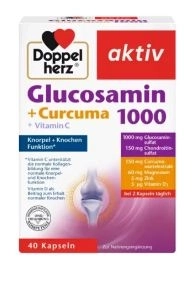
If you’ve started feeling knee pain or stiffness in your joints while moving, you’re definitely not alone. Joint problems have become very common with aging and even with daily physical strain. That’s why glucosamine has gained attention as one of the most popular supplements used to support cartilage health and improve joint flexibility. Although many people use it to help relieve symptoms of Osteoarthritis and joint stiffness, there are still many questions about its real benefits, how to use it properly, its possible side effects, and whether it is suitable for everyone or not. So, in this article on Dailly Medical, we’ll explore everything you need to know about glucosamine.
Glucosamine is one of the most popular dietary supplements used to support joint and cartilage health. It is mainly used to help relieve joint pain and stiffness associated with conditions such as Osteoarthritis and Rheumatoid Arthritis. It may also help support cartilage and slow its breakdown, which can improve joint flexibility and reduce friction within the joints. Glucosamine is often combined with other joint-supporting ingredients such as chondroitin and methylsulfonylmethane (MSM).
Glucosamine is not commonly known to cause high blood pressure. However, if a person notices any changes in blood pressure while taking it, it is best to consult a doctor for proper evaluation.
There is still no strong scientific evidence confirming that glucosamine raises blood sugar levels. Its effect on people with diabetes is still being studied, so individuals with diabetes should use it cautiously and under medical supervision.
There are currently no sufficient studies proving a direct link between glucosamine and weight gain. Its possible effect on body weight still requires further scientific research.
There are no confirmed studies showing clear harm from using glucosamine during pregnancy. However, it is generally not recommended during pregnancy unless necessary and after consulting a healthcare professional.
It is usually recommended to take glucosamine after meals to help reduce possible digestive side effects such as nausea or stomach discomfort.
Glucosamine is not commonly available as a cream under the same name, but some topical joint-support products may contain glucosamine, such as Cosamine cream and similar joint care creams.
Yes, glucosamine is widely used to help relieve symptoms of Osteoarthritis, especially knee pain and stiffness. However, the level of improvement may vary from person to person.
Glucosamine is not a fast-acting pain reliever. It usually takes between two and eight weeks before gradual improvement begins to appear.
Glucosamine sulfate is considered one of the most commonly used and studied forms of glucosamine for joint support.
Yes, glucosamine can usually be taken daily in appropriate doses and under medical supervision, especially for people with diabetes or those taking blood-thinning medications.
Glucosamine is generally considered safe for older adults and is commonly used to support joint health and improve mobility. However, chronic illnesses and other medications should always be considered.
Yes, there is no known problem with taking glucosamine together with calcium. In fact, many people use both supplements to support bone and joint health.
Drowsiness is not a common side effect of glucosamine, although some people may experience mild dizziness or slight fatigue while using it.
It is generally recommended to avoid using glucosamine during pregnancy or breastfeeding unless advised by a doctor, due to the lack of sufficient scientific studies confirming its safety during these periods.
Glucosamine is generally considered safe when used in recommended doses. However, people with liver or kidney disease are advised to consult a doctor before using it to avoid any possible complications or interactions.
The ingredients of glucosamine supplements vary from one product to another depending on the manufacturer. However, most products contain a main active ingredient along with supportive and additional components for joint health.
Glucosamine is a natural amino sugar found in the body that plays an important role in building cartilage and supporting joint health. It is available in several forms, including:
This ingredient is considered the main component responsible for supporting cartilage and improving joint flexibility.
Some supplements contain additional ingredients that help stabilize the product and improve manufacturing quality, including:
Such as:
These may help stabilize the compound and improve absorption.
These are substances used in the manufacturing of tablets or capsules, such as:
These ingredients do not provide a direct therapeutic effect.
Some combination products may also include other ingredients that support joint health, such as:
These ingredients are added to enhance cartilage support and improve the effectiveness of the supplement.
Glucosamine is available in several forms. While all of them are used to support joint and cartilage health, they differ slightly in composition, absorption, and effectiveness.
This is the most common and widely used form for supporting joint health and relieving symptoms of Osteoarthritis.
Its main benefits include:
This type contains a higher concentration of glucosamine compared to glucosamine sulfate, but its effectiveness in scientific studies is still less clear.
Its characteristics include:
This form differs slightly in its chemical structure from other types.
It is characterized by:
Glucosamine is a natural substance found in the body, especially in the cartilage that covers and protects joints from friction. It is commonly used as a dietary supplement to support joint health.
The most common use of glucosamine is helping reduce symptoms of Osteoarthritis, especially in the knees and hands.
It may help with:
Glucosamine may help maintain healthy cartilage and slow its breakdown over time, which is especially important with aging or continuous joint stress.
Some people may notice improvement in mild to moderate joint pain, particularly pain related to aging or repeated daily use of the joints.
It may slightly improve joint flexibility and ease of movement, although it is not considered a fast-acting treatment.
Despite its potential benefits, glucosamine may not be suitable for everyone. In some cases, it should be avoided or used only under medical supervision.
Some forms of glucosamine are derived from shellfish such as shrimp and crab, which may cause:
Glucosamine may slightly affect the body’s response to insulin, so:
Such as Warfarin and other anticoagulant medications, because glucosamine may:
In rare cases, glucosamine may worsen asthma symptoms, so caution is recommended.
There are not enough studies confirming the safety of glucosamine during pregnancy or breastfeeding. Therefore:
People with conditions such as liver or kidney disease, or those taking several medications, should:
Glucosamine may interact with certain medications, which can affect their effectiveness or increase the risk of side effects. For this reason, it is important to inform a doctor before using it, especially if you take medications regularly.
One of the most significant interactions is between glucosamine and anticoagulant medications, especially:
Glucosamine may:
Therefore, careful medical monitoring is strongly recommended when using both together.
Glucosamine may slightly affect insulin response or blood sugar levels. Therefore, when used with:
It may cause:
Such as common pain relievers and nonsteroidal anti-inflammatory drugs (NSAIDs).
Such as antiplatelet drugs or other anticoagulants.
Glucosamine is a natural substance produced by the body, but small amounts can also be obtained from certain foods, especially those rich in cartilage and bones.
The most common natural sources include:
Glucosamine is found in the outer shells of these organisms, which is why they are often used in the production of glucosamine supplements.
Bone broth made from:
May contain compounds that support joint health, including glucosamine and collagen.
Some cartilage-rich foods may contain small amounts of glucosamine, such as:
In reality, obtaining a therapeutic dose of glucosamine from food alone is difficult. That is why most people rely on supplements such as:
Especially in cases of Osteoarthritis and chronic joint problems.
Glucosamine is not naturally found in significant amounts in plants, so it is not considered a naturally plant-based substance. However, some companies now produce vegetarian glucosamine using alternative methods.
Glucosamine is generally considered relatively safe for most people. However, it may cause some side effects that vary depending on the dose and the person’s health condition.
These may include:
These symptoms are usually mild and may improve when glucosamine is taken after meals or when the dose is reduced.
Some people may experience:
These side effects are uncommon and occur in a small percentage of users.
Allergic reactions may occur, especially in people with seafood allergies, particularly with glucosamine products derived from shellfish.
Symptoms may include:
Some studies suggest a possible mild effect on insulin response. Therefore:
Glucosamine may interact with blood-thinning medications such as Warfarin, which may:
For this reason, it should be used under medical supervision when combined with these medications.
Some people may experience:
However, these side effects are uncommon.