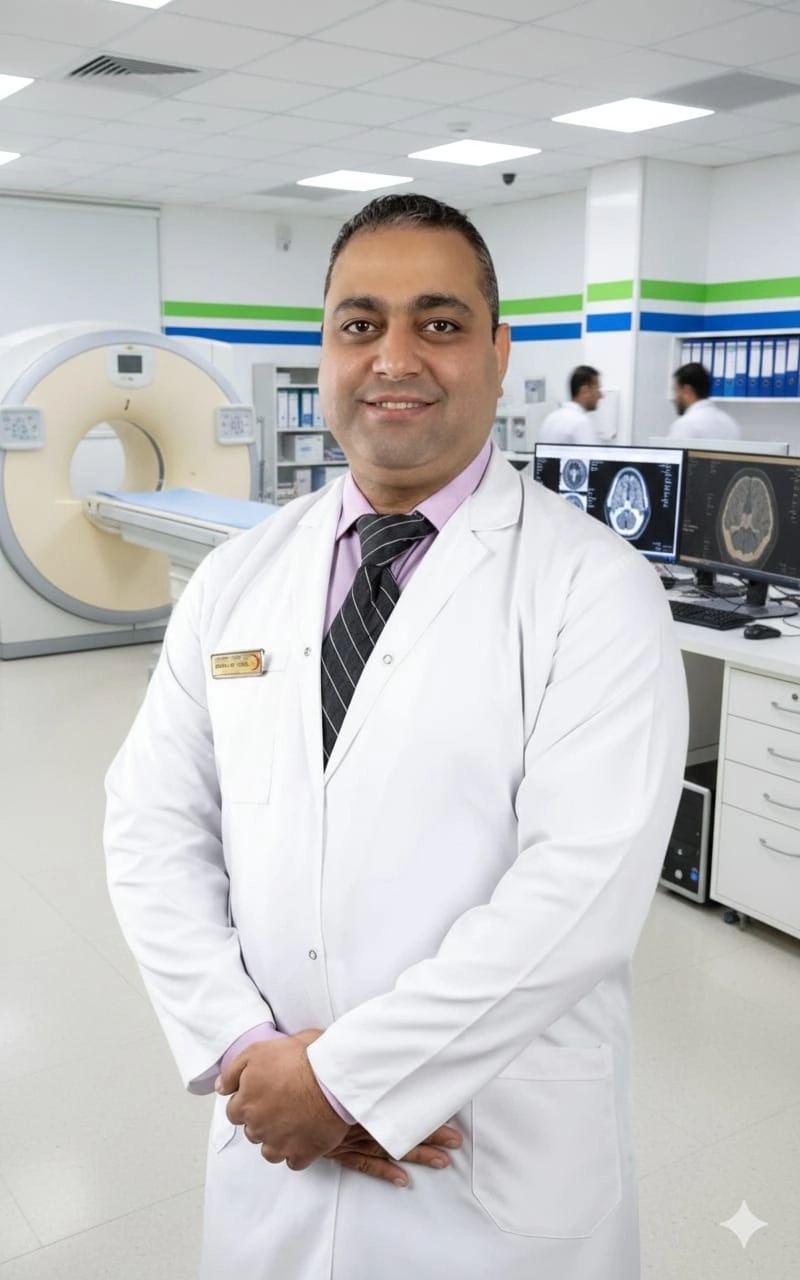

Imagine treating brain tumors or certain neurological conditions with extreme precision—without surgery, without pain, and sometimes in just a single session. ZAP-X gyroscopic radiosurgery has brought a true revolution to the field of brain treatment. Developed by ZAP Surgical Systems, this advanced technology uses highly focused radiation beams combined with real-time medical imaging to target tumors or neurological abnormalities with remarkable accuracy while protecting the surrounding healthy tissue.At Dalili Medical, you can discover how ZAP-X offers a modern and safe solution that combines speed, effectiveness, and faster recovery—making it an ideal option for patients seeking advanced neurological treatment without the risks of traditional brain surgery.
What is ZAP‑X Surgery?
ZAP‑X surgery is a non-invasive stereotactic radiosurgery technique that uses highly focused radiation beams to treat brain tumors, vascular malformations, and certain neurological disorders. Most cases do not require surgical incisions or general anesthesia.
Is ZAP‑X Painful?
The procedure is generally painless. Patients remain seated or lying down during the session. Some may feel mild pressure when the head is secured.
How Many Sessions Are Needed?
Most cases require a single session (single-fraction), especially for small tumors.
Larger tumors or those near sensitive tissue may need multiple sessions spread over a few days or weeks (fractionated).
How Long Does Each Session Last?
Typically, a session lasts 30–90 minutes depending on the target size and number of radiation beams used.
Recovery Time After ZAP‑X
Most patients return to daily activities within a few days.
Full recovery may take 3–6 months depending on tumor size and location.
Risks and Side Effects
Temporary headache, fatigue, nausea, or mild brain swelling.
Minor neurological changes, such as temporary numbness or weakness if the target is near nerves.
Rare: brain bleeding, permanent nerve or blood vessel damage, or minor long-term cognitive changes.
Who Cannot Undergo ZAP‑X?
Pregnant or breastfeeding patients.
Patients unable to maintain precise head positioning.
Very large or highly aggressive tumors.
Severe medical conditions that prevent exposure to radiation.
Is Anesthesia Required?
Most adults do not need general anesthesia.
Children or patients unable to keep their head still may require mild or specialized anesthesia to ensure precision during treatment.
Can Patients Return to Work Immediately?
Patients can resume most daily activities within a few days.
It is recommended to avoid strenuous work or intense exercise for the first two weeks until the treatment site stabilizes.
Is Long-Term Follow-Up Needed?
Yes. Periodic brain imaging is advised to monitor the tumor or targeted area, usually every 6–12 months.
Any new symptoms should be reported immediately to allow early intervention if needed.
ZAP‑X is a non-invasive, stereotactic radiosurgery option for a variety of intracranial and peri-cranial conditions, offering precise targeting with minimal disruption.
Benign and Non-Cancerous Brain Tumors
Acoustic neuromas (vestibular schwannomas)
Meningiomas
Non-cancerous pituitary adenomas
These slow-growing tumors are often ideal for focused radiosurgery instead of open surgery.
Malignant or Metastatic Brain Tumors
Brain metastases from other cancers
Certain primary gliomas
ZAP‑X delivers highly precise doses to tumors in sensitive or surgically difficult locations.
Vascular-Neurological Conditions
Arteriovenous malformations (AVM)
Stereotactic radiation treats these high-risk lesions when open surgery is too dangerous or complex.
Functional or Neuropathic Disorders
Trigeminal neuralgia
Focused radiation can help reduce pain from this nerve disorder in selected cases.
Other Potential Disorders
Some centers use similar techniques for movement disorders, chronic headaches, or specific epilepsy cases, depending on individual assessment.
Pre-Procedure Evaluation
Consultation with a neurologist or neuro-oncologist to determine suitability.
High-resolution brain imaging (MRI or CT) to locate the tumor or target.
Routine blood tests to check for any health issues preventing radiation treatment.
Review of medical history, including heart disease, blood pressure, diabetes, or previous neurological conditions.
Preparation Before the Session
Head immobilization using a custom mask or non-invasive device to minimize movement.
Medication review: adjustments may be needed for blood thinners or pain medications.
Avoid caffeine or stimulants if sensitive, to reduce anxiety and head movement.
Diet and Rest Recommendations
Fasting is usually not required for adults; children may need special instructions.
Adequate rest the night before helps reduce stress and stabilizes head position during treatment.
Psychological and Cognitive Preparation
Understand the expected session duration (30–90 minutes depending on the case).
Discuss any concerns or fears about radiation with the care team.
Know that the procedure is non-invasive and generally does not require general anesthesia.
Day of the Session
Arrive early for head immobilization and final imaging.
Wear comfortable clothing without jewelry or metal on the head or neck.
Patients will sit or lie in the device while the radiation beams are precisely guided using real-time imaging.
a. Vascular or Mass Lesions in the Brain
Benign tumors: meningiomas, acoustic neuromas (vestibular schwannomas)
Malignant or metastatic tumors: brain metastases from other cancers
Purpose: Focused radiation to stop growth or shrink the tumor/mass.
b. Non-Tumorous Vascular Disorders
Arteriovenous malformations (AVMs)
Small vascular lesions
Purpose: Use focused radiation to sclerose or inhibit these structures without open surgery.
c. Functional Neurological Disorders
Trigeminal neuralgia
Movement disorders such as neurological spasms
Some treatment-resistant migraines
Purpose: Modulate nerve or brain activity responsible for sensation and movement using targeted radiation.
a. Full-Rotation ZAP‑X (360° Rotation)
Radiation beams rotate fully around the patient.
Allows circular, balanced dose distribution while protecting healthy tissue.
Use: Often for large or complex brain tumors.
b. Imaging-Guided ZAP‑X (Real-Time Guidance)
Uses real-time MRI or CT imaging during treatment to adjust targeting precisely.
Increases accuracy for tumors near sensitive structures like cranial nerves.
Use: For tumors or targets near highly sensitive areas.
Near cranial nerves (e.g., auditory or optic nerves): requires highly precise planning to avoid side effects.
Deep brain regions: suitable when open surgery is high risk.
Multiple or very small targets (e.g., multiple metastases): radiation can be sequentially delivered to each lesion with precision.
a. Single-Fraction Treatment
High, concentrated dose in a single session.
Used for small, stable tumors.
b. Fractionated Treatment
Dose divided across multiple sessions.
Used for large tumors or when nearby sensitive tissue requires recovery time between sessions.
1. Brain Tumors or Mass Lesions
Perform high-resolution MRI/CT to locate the tumor.
Plan radiation doses using ZAP‑X software to focus beams around the tumor.
Immobilize head using a custom mask or non-invasive system.
Deliver 360° rotating radiation beams to the tumor.
Monitor in real time with imaging to ensure precise targeting.
Session duration: 30–90 minutes depending on tumor size and number of beams.
Notes: Radiation is concentrated on the tumor while sparing healthy tissue; general anesthesia usually unnecessary except in children or special cases.
2. Cerebral AVMs
Precise imaging to map size and blood flow of AVM.
Radiation plan mimics the 3D shape of the AVM.
Head immobilization, then parallel and rotating radiation beams target AVM.
Single or multiple sessions depending on AVM size.
Goal: Gradual sclerosis or flow disruption without open surgery.
3. Functional Neurological Disorders (e.g., Trigeminal Neuralgia)
Imaging to locate affected nerve.
Plan a highly concentrated dose for a small nerve area.
Head secured precisely, rotating beams cover the target exactly.
Usually, a single session relieves pain, with monitoring for side effects.
Single-Fraction: High dose in one session. Ideal for small tumors or metastases. Advantages: short treatment time, precise targeting, faster recovery.
Fractionated: Dose divided over multiple sessions (typically 3–5 or more). Used for large tumors or those near sensitive areas. Advantages: reduces damage to healthy tissue, allows recovery between sessions.
360° Rotation: Beams rotate fully around the head for balanced dose distribution. Used for most large or complex tumors.
Imaging-Guided: MRI/CT during treatment adjusts beam position in real-time. Critical for targets near sensitive nerves or vessels.
1. General Contraindications:
Pregnancy or breastfeeding
Severe radiation sensitivity
Inability to keep head still (unless using anesthesia or specialized immobilization)
2. Target-Related Contraindications:
Very large or widely spread tumors
Highly aggressive tumors needing urgent surgery or chemotherapy first
Tumors/lesions too close to critical structures (e.g., optic nerves, brainstem) if adequate protection isn’t possible
3. Health-Related:
Severe heart, kidney, or liver disease
Extensive prior radiation to the area
4. Technical:
Lack of precise 3D imaging or planning
Large metallic implants or foreign objects near the target
1. General Radiation Risks:
Effects on nearby healthy tissue (temporary inflammation or damage)
Temporary brain swelling causing headache, nausea, or mild weakness
Temporary neurological changes like numbness or weakness if tumor is near motor areas
2. Target-Specific Risks:
Brain Tumors: headache, nausea, dizziness, temporary vision or hearing changes
AVMs: temporary brain bleed, slow sclerosis of vessels
Functional Disorders: temporary numbness or tingling in the face, rarely persistent pain or sensitivity changes
3. Rare/Long-Term Risks:
Very rare new tumor formation
Permanent nerve or vessel damage if dose is high or planning inaccurate
Chronic headaches or minor cognitive changes over years, especially with large/multiple tumors
4. Risk Mitigation:
Precise 3D imaging planning
Advanced head immobilization
Fractionated sessions for large or sensitive targets
Close post-treatment follow-up
| Phase | Time | Symptoms/Observations | Recommendations |
|---|---|---|---|
| Phase 1 | 24–48 hrs | Mild fatigue, slight headache, mild nausea | Rest, hydrate, mild painkillers if needed |
| Phase 2 | Week 1 | Slight headache, minor temporary brain swelling | Monitor symptoms, use anti-inflammatory/steroids if prescribed |
| Phase 3 | Week 2–4 | Gradual improvement in side effects | Routine follow-ups, imaging as scheduled |
| Phase 4 | Month 1–3 | Most side effects resolve, evaluate treatment response | Follow-up imaging, assess need for additional sessions |
| Phase 5 | 3–12 months | Long-term monitoring, most patients return to normal life | Periodic imaging, report any persistent or new symptoms |
Notes: Recovery varies by target size, location, patient age, and overall health. Older or chronically ill patients may require longer recovery. Monitoring with a physician is essential to prevent complications.
Medical Follow-Up: Schedule visits and imaging (MRI/CT) after 1–3 months, then every 6–12 months. Report new symptoms immediately.
Managing Temporary Side Effects: Headache, fatigue, mild swelling, nausea—use prescribed medications and rest.
Daily Activity: Gradual return to light activities after first week; avoid strenuous physical activity initially.
Nutrition: Balanced diet with vitamins and minerals, adequate hydration. Limit caffeine if sensitive.
Mental Health: Address anxiety or stress through family support, relaxation exercises, meditation, or deep breathing.
Medications: Continue prescribed medications; consult the doctor before adding new drugs or supplements.
Long-Term Symptom Monitoring: Some effects may appear months later; report persistent or unusual symptoms promptly.