

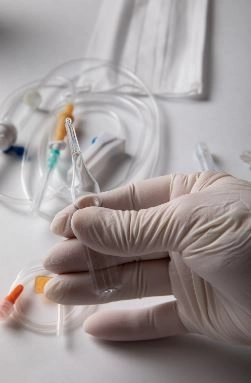
Catheter removal is an important step after any heart or vein procedure, and many people feel anxious about it or don’t know what to expect. The truth is that the procedure itself is simple, but taking care of your health after the catheter is removed is very important to avoid any possible complications. we will talk about how to safely manage catheter removal, the main risks to watch out for, and the symptoms you need to monitor to stay healthy and recover quickly.
Before the procedure, it’s recommended to follow a balanced diet rich in fruits, vegetables, and whole grains. Try to avoid caffeine and alcohol, as they can increase heart rhythm disturbances. Always consult your doctor if you have any specific dietary restrictions.
After atrial fibrillation catheter ablation, you can usually return to your regular diet. However, it’s best to continue avoiding caffeine and alcohol for a few weeks to support your heart’s recovery. Always follow your doctor’s dietary instructions.
Yes, the procedure is generally safe for older adults, but each case should be assessed individually. Some hospitals, like Apollo Hospital, have specialized teams to ensure elderly patients receive appropriate and tailored care.
Catheter removal is usually not recommended during pregnancy due to potential risks to the fetus. If you are pregnant and experiencing heart rhythm issues, discuss alternative treatments with your doctor.
The procedure can be performed in children with specific heart rhythm disorders. It is tailored according to the child’s age and condition. Hospitals like Apollo Hospital have pediatric cardiology teams for these cases.
Obesity may make certain steps of the procedure more challenging and can affect recovery. However, most patients with obesity can still benefit from the procedure. Discuss weight management strategies with your doctor before and after the procedure.
Patients with diabetes can undergo the procedure. Controlling blood sugar levels before and after the procedure is crucial for optimal recovery.
High blood pressure is common among patients undergoing atrial fibrillation ablation. It’s very important to control your blood pressure before the procedure to reduce risks. Your healthcare team will guide you on safe blood pressure management.
Most patients can start light exercises about 1–2 weeks after the procedure. Avoid heavy or high-impact activities for at least one month. Always consult your doctor before resuming a full exercise program.
Potential complications may include:
Severe pain at the insertion site
Fever
Excessive bleeding
Signs of infection
If you notice any of these symptoms, contact your doctor immediately.
It’s usually recommended to avoid long-distance travel for at least two weeks after the procedure. Discuss your travel plans with your doctor to ensure safety based on your recovery speed.
Catheter ablation for atrial fibrillation can potentially provide a permanent solution for some heart rhythm disorders, while medications usually only control symptoms. Discuss with your doctor which option is best for you.
The success of the procedure depends on the type of heart rhythm disorder. For atrial fibrillation, the success rate can reach 80–90%. Your doctor will explain the expected rate based on your condition.
After ablation, it’s recommended to avoid caffeine and alcohol for several weeks. A heart-healthy diet is also advised to support recovery. Always follow your doctor’s dietary recommendations.
The procedure can significantly improve heart health by reducing episodes of arrhythmia and lowering stroke risk. Long-term outcomes are usually positive, especially with continuous follow-up.
Patients with previous heart surgeries can undergo catheter ablation, but a thorough assessment is required. The medical team will carefully study the risks and benefits for your specific case.
Yes, sometimes the procedure may need to be repeated if the arrhythmia is not completely resolved the first time. Your doctor will explain the likelihood of needing a repeat procedure.
Recovery in children is similar to adults but may require extra support and monitoring. Hospitals like Apollo Hospital have specialized pediatric teams to ensure smooth recovery.
Feeling anxious before catheter ablation is normal. Talk to your doctor about your concerns; they may suggest strategies like relaxation exercises or counseling if needed.
Follow-up after the procedure is crucial to monitor heart rhythm and recovery. Patients usually attend follow-up appointments within a few weeks, and the care plan is tailored to individual needs.
Proper preparation before catheter removal is essential for a safe and smooth procedure. Key instructions and tests include:
Doctor Consultation
Meet your cardiologist or electrophysiologist to discuss the reason for the procedure, expected outcomes, and any concerns.
Medical History Review
Provide a full medical history, including medications, allergies, and prior heart conditions. This helps the medical team plan the procedure properly.
Pre-Procedure Tests
Common tests include:
ECG (Electrocardiogram): To assess heart electrical activity.
Echocardiogram: To check heart structure and function.
Blood tests: To detect any health issues that could affect the procedure.
Medication Adjustments
Some patients may need to stop certain medications, especially blood thinners, a few days before the procedure. Follow your doctor’s instructions carefully.
Fasting Instructions
You may be advised to avoid food and drink for 6–8 hours before the procedure to reduce anesthesia risks.
Transportation Arrangements
Since the procedure is often performed under local or general anesthesia, you should have someone to take you home afterward.
Clothing and Personal Items
Wear comfortable clothes and leave valuables at home, as they are usually not allowed in the procedure area.
Discuss Concerns
Ask any questions or share concerns before the procedure. Knowing the steps can help reduce anxiety and make the experience easier.
Purpose: Deliver medications, fluids, or nutrition through a vein.
Removal Method:
Gently remove the needle and plastic tube after loosening any fixation.
Apply pressure to the insertion site for a few minutes to prevent bleeding.
When:
After completing IV therapy.
If signs of infection appear at the insertion site.
Purpose: Drain urine for patients unable to urinate naturally.
Removal Method:
Deflate the balloon that holds the catheter in the bladder.
Gently pull the catheter out of the urethra.
When:
After the patient regains normal urination.
If infection or blockage occurs in the catheter.
Purpose: Deliver long-term medications, such as chemotherapy or antibiotics.
Removal Method:
Carefully remove the catheter.
Cover the insertion site immediately to prevent bleeding or clots.
When:
When long-term medication is no longer needed.
If infection or blockage occurs.
Purpose: To drain fluids or air from the lungs or body cavities after surgery.
Removal Method:
Remove the tube once drainage stops.
Cover the wound with a sterile dressing.
When:
When drainage decreases or stops completely.
After confirming that the lungs or cavity are healthy and free of fluid or air.
Purpose: To drain bile or urine in cases of obstruction of natural channels.
Removal Method:
Usually performed after imaging confirms that the natural channel is open.
When:
When the obstruction is resolved or the patient’s condition improves.
1️⃣ No Longer Medically Needed
Catheters are used temporarily for medications, fluids, or monitoring body functions. Once treatment is complete or the condition improves, the catheter is removed because it is no longer necessary.
2️⃣ Preventing Infection
Catheters provide a pathway for bacteria or fungi, especially IV or urinary catheters. Leaving them in for too long can lead to serious infections or sepsis. Removing the catheter greatly reduces the risk.
3️⃣ Preventing Blood Complications
Catheters can cause clots or vein blockages. Early removal reduces the risk of bleeding and swelling.
4️⃣ Preventing Urinary or Cardiac Complications
Urinary catheters left too long can cause urinary tract infections or bladder irritation.
Long-term cardiac or venous catheters may lead to heart or vein problems.
5️⃣ Comfort and Mobility
Catheters can be uncomfortable or painful when moving or sleeping. Removing them increases comfort and safety.
6️⃣ Better Monitoring of Health
After removal, doctors can monitor improvement without foreign devices inside the body.
1️⃣ Active Infection or Inflammation
If the insertion site shows redness, swelling, warmth, or pus, removal may be postponed to prevent spreading infection.
2️⃣ Bleeding Disorders or Blood Problems
Patients with clotting issues or on blood thinners (like heparin or warfarin) risk severe bleeding during removal.
3️⃣ Catheter Obstruction or Adhesion
Sometimes catheters stick to vessels or tissues. Forceful removal may cause tears, requiring special preparation.
4️⃣ Unstable Health Condition
If blood pressure or heart status is unstable, catheter removal may be risky and delayed until the patient stabilizes.
5️⃣ Urinary or Gastrointestinal Issues (for Urinary Catheters)
If the catheter was placed due to ongoing obstruction, early removal may cause problems with urination or kidney function.
6️⃣ Technical or Specialized Catheter Considerations
Some sensitive catheters, such as cardiac or chest tubes, may require imaging or special preparation before removal.
1️⃣ Bleeding
One of the most common complications, especially with IV or cardiac catheters. It can occur if clotting is impaired or if the insertion site is not properly compressed after removal.
2️⃣ Infection
Non-sterile removal can lead to local infection or bloodstream infection (sepsis). Urinary, kidney, and chest catheters are especially susceptible if the site is dirty or has secretions.
3️⃣ Pain and Discomfort
Removal can cause temporary stinging or pain, particularly with urinary or chest catheters. Local anesthesia or positioning may be used to reduce discomfort.
4️⃣ Catheter Breakage or Retained Fragments
If the catheter is stuck to vessels or tissues, forceful removal may cause it to tear. Any retained fragment may require surgery to prevent infection or organ blockage.
5️⃣ Blood Clot Formation
IV or cardiac catheter removal may trigger clots within the vein, especially in patients with clotting disorders or prior thrombosis.
6️⃣ Internal Organ Problems
Urinary or kidney catheters: Early removal may cause urinary obstruction or kidney issues.
Chest catheters: Incorrect removal can cause pneumothorax (air in the lung) or fluid re-accumulation.
7️⃣ Sudden Body Reactions
Some patients may experience dizziness, fainting, or low blood pressure after removal, especially if the catheter was long or near the heart.
Immediately after removal: Burning sensation or frequent urge to urinate is normal.
First 24 hours: The body starts adjusting; most can perform light activities.
Days 2–3: Symptoms like burning or frequent urination usually disappear. Drinking enough water helps reduce irritation.
Notes: Seek immediate medical attention if there is difficulty urinating or heavy bleeding.
Immediately after removal: Mild bruising or discomfort at the insertion site.
Days 1–2: Most patients return to normal activities; pain and bruising gradually improve.
Notes: Monitor the site; consult a doctor if swelling, redness, or bleeding occurs.
Immediately after removal: Mild pain or bruising at the site.
Days 1–3: The body starts gradual recovery; some may feel mild fatigue or limited movement.
Days 4–7: Most symptoms disappear; patients can resume semi-normal activities according to their doctor’s advice.
Notes: Monitor the site for redness, swelling, or bleeding, and contact your doctor immediately if any problem occurs.