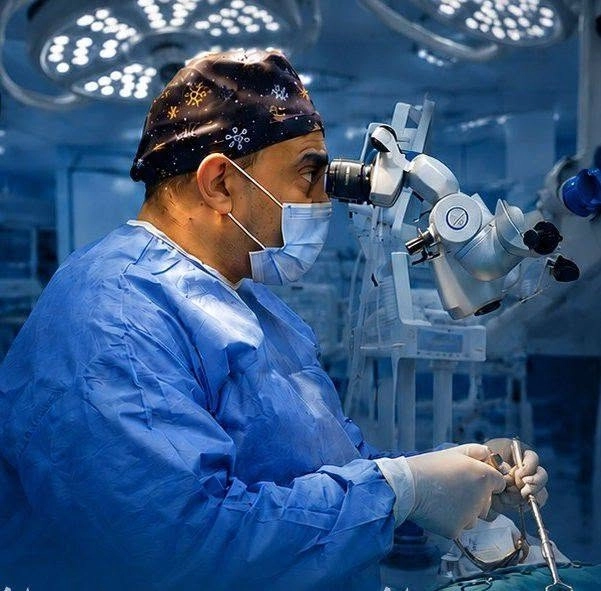

Chronic subdural hematoma is a common condition among the elderly and people with previous head injuries. It causes pressure on the brain, which may lead to severe headaches, weakness in the limbs, or difficulty with movement and balance.One of the main treatments for this condition is a burr hole evacuation, which helps remove the accumulated blood quickly and safely, relieving pressure on the brain, with a relatively short recovery period.In this article from Daleely Medical, we will explore how the procedure is performed, the different types of the surgery, potential risks, recovery period, and essential tips to protect your health and achieve the best possible outcome.
Burr hole evacuation is a minor surgical procedure in which a small hole is made in the skull to drain blood accumulated under the outer layer of the brain (chronic subdural hematoma). The goal is to relieve pressure on the brain and restore its normal function.
The surgery is usually performed under general or local anesthesia with a sedative, so the patient does not feel pain during the procedure.
After the surgery, the patient may experience mild headache or discomfort around the site of the hole, which can be easily managed with painkillers prescribed by the doctor.
The procedure typically takes about 30 minutes to 1 hour, depending on the size and location of the hematoma.
Patients are usually required to stay in the hospital for 1 to 3 days to monitor their condition and ensure there is no bleeding or neurological complications before safely returning home.
Before the procedure, it is recommended to follow a balanced diet rich in fruits, vegetables, and lean proteins. Avoid heavy meals and alcohol the night before surgery. Your doctor may provide specific dietary instructions depending on your health condition.
After burr hole evacuation, you can start with light foods once you are fully awake and alert. Gradually, you can return to your normal diet as tolerated, following your doctor’s recommendations.
If you are elderly, ensure a caregiver is available to help after surgery. Review all your medications with your doctor, as some adjustments may be needed. Regular follow-up is essential to monitor recovery and ensure safety.
If you are pregnant, consult both your obstetrician and neurosurgeon before the procedure. The medical team will assess risks and benefits to ensure the safety of both mother and baby.
In children, burr hole evacuation is performed similarly to adults, with consideration of the child’s size and health condition. Pediatric neurosurgeons use age-appropriate anesthesia and equipment to ensure safety and comfort.
If you are obese, discuss your weight with your surgeon prior to surgery. Pre-operative assessment may be recommended to identify any additional risks and ensure a safe surgical experience.
Diabetes may affect the speed of recovery. It is important to monitor blood sugar levels closely during the recovery period and follow your doctor’s instructions regarding diet and medications.
If you have high blood pressure, inform your healthcare team before surgery. Doctors will closely monitor your blood pressure during and after the procedure to minimize risks and ensure safe recovery.
Yes, burr hole evacuation can be performed even if you have a cardiac surgical history. It is essential to inform your neurosurgeon and cardiologist of your full medical history for proper assessment and planning.
Watch for:
Severe or persistent headache
Sudden confusion or weakness
Fever or elevated temperature
Discharge or bleeding from the surgical site
Contact your healthcare provider immediately if any of these occur.
You may need help for a few days to a week depending on your recovery speed. Having a family member or caregiver assist with daily activities is recommended.
Physical therapy may be recommended, especially if you have difficulty moving or muscle weakness. Your doctor will evaluate your condition and refer you to a physical therapist if needed to safely restore mobility.
Pain is usually managed with prescribed medications.
Follow your doctor’s instructions regarding dosage and timing.
Report any uncontrolled pain or side effects immediately.
After surgery, it is advised to maintain a healthy lifestyle including:
Balanced diet rich in fruits and vegetables
Light physical activity as tolerated
Avoiding alcohol and smoking
These changes help faster recovery and support brain health.
No strict restrictions, but it is recommended to:
Avoid heavy or fatty foods initially
Avoid alcohol
Focus on a healthy diet to support recovery
Regular check-ups with your neurosurgeon
Monitor for any new symptoms or complications
Adhere to the scheduled visits to ensure optimal results
This depends on your recovery speed and job type. Most patients can return to work within 4–6 weeks, but consult your doctor for personalized guidance.
If you notice memory or focus problems, discuss them with your healthcare provider. Possible interventions include:
Cognitive therapy sessions
Further assessment to address underlying brain issues
Consultation with Neurosurgeon
Discuss the benefits, risks, and alternatives. Ask any questions before the procedure.
Review Medical History
Include current medications, allergies, and prior surgeries. Notify your doctor about blood thinners.
Physical Examination
General health evaluation including neurological tests for cognitive and motor skills.
Imaging Studies
CT scan or MRI to determine the size and location of the hematoma, aiding surgical planning.
Blood Tests
Check for anemia or clotting disorders to ensure readiness for anesthesia and surgery.
Medication Adjustments
Some medications, especially blood thinners, may need to be paused before surgery.
Fasting Instructions
Avoid food and drink after midnight before surgery to reduce anesthesia risks.
Post-Surgery Care Planning
Arrange transportation home and a caregiver to assist during recovery.
Emotional Preparation
Feeling anxious is normal. Discuss concerns with your healthcare team and practice relaxation techniques.
Single Burr Hole with Drainage
A small hole is made to drain the blood.
A short-term drainage tube may be placed to remove residual blood or fluid.
Minimally invasive, suitable for small to medium hematomas.
Bilateral Burr Holes
Two holes are made if the hematoma is large or spreads across both sides of the brain.
Allows more complete drainage from multiple areas.
Burr Hole with Irrigation
After drainage, the surgeon irrigates the area with sterile saline.
Helps remove remaining clots and reduce recurrence.
Burr Hole with Long-Term Drainage
A drainage tube may remain for several days if the hematoma recurs quickly.
Often used in elderly patients or those with recurring clots or high blood thinning.
Chronic subdural hematoma is a gradually forming blood collection between the outer layer of the brain (dura mater) and the surface of the brain, often following a minor head injury or bleeding. Burr hole evacuation aims to:
The hematoma can compress the brain, causing:
Severe headache
Weakness or numbness in the limbs
Difficulty with speech or balance
Burr hole evacuation allows the blood to be drained, reducing pressure and protecting the brain from complications.
Accumulated blood disrupts normal circulation within the brain.
Draining it helps restore normal intracranial pressure and fluid balance.
In some cases, a temporary drainage tube is placed to reduce the likelihood of re-accumulation of blood.
A burr hole is smaller and simpler than a craniotomy, reducing surgical risks and speeding up recovery, especially in elderly patients or those with chronic illnesses.
Imaging Results: Size and location of the hematoma, and midline brain shift on CT or MRI.
Neurological Symptoms: Disturbances in consciousness, weakness, or cognitive impairment.
Age and Comorbidities: Elderly patients or those with blood disorders are at higher risk of recurrence.
Failure of Conservative Management: Symptoms persist or worsen despite non-surgical treatment.
Overall Health Status: Patient’s ability to safely tolerate surgery and anesthesia.
Even though burr hole drainage is common and effective, some conditions may make surgery unsuitable:
Severe Blood Clotting Disorders
Patients with conditions like hemophilia or those on anticoagulants may have a high risk of excessive bleeding during or after surgery.
Active Infection
Infection in the scalp or surrounding areas increases surgical risk. Performing surgery with an infection may lead to further complications.
Advanced Brain Atrophy
Patients with significant brain atrophy may have difficulty safely evacuating the hematoma. Structural changes increase surgical risks.
Uncontrolled High Blood Pressure
Unstable blood pressure increases the risk of bleeding during surgery and must be stabilized beforehand.
Poor General Health
Patients with severe heart disease or respiratory failure may not tolerate surgery or anesthesia well. Comprehensive evaluation is essential.
Lack of Postoperative Support
Recovery requires assistance at home. Lack of support may hinder healing and increase complications.
Patient Preferences and Informed Consent
Patients may refuse the procedure or may not fully understand the risks and benefits. Informed consent is mandatory before surgery.
Burr hole drainage is relatively safe but may involve some risks:
New bleeding or hematoma at or around the surgical site
Infection at the site or within the brain (e.g., meningitis or brain abscess)
Temporary headache from anesthesia or skull pressure
Mild swelling or bruising around the hole
Drain blockage or malfunction if a drainage tube is placed, possibly requiring re-intervention
Blood clots or delayed bleeding, especially in patients with clotting disorders
Temporary neurological changes, such as partial weakness or difficulty with movement/balance
Permanent brain or nerve injury due to pressure or surgical error (very rare with experienced surgeons)
Severe brain infection if not treated promptly
Hematoma recurrence, especially in elderly patients or those with high blood thinning, possibly requiring repeat surgery
Close monitoring in the hospital after surgery
Use antibiotics if prescribed
Ensure proper drainage and prevent tube blockage
Avoid strenuous activity or head injury during recovery
Report any new neurological symptoms immediately
Common Symptoms:
Temporary headache
Swelling or bruising around the hole
Mild dizziness or fatigue
Mild weakness in arms or legs (temporary)
Tips:
Stay under close hospital monitoring to assess neurological function and brain pressure
Take prescribed painkillers as needed
Avoid strenuous activity or heavy lifting
Possible Symptoms:
Mild persistent headache or slight swelling
Mild weakness or fatigue during movement improving gradually
Tips:
Follow-up visits to monitor drainage if a tube was placed
Watch for abnormal bleeding or discharge
Rest and maintain proper hydration
Changes:
Most immediate symptoms gradually disappear
Progressive improvement in limb strength and balance
Brain recovers from previous pressure
Tips:
Monitor for infection or hematoma recurrence, such as severe headache or sudden vomiting
Gradually start light activities like short walks
Outcomes:
Full recovery of neurological functions
Significant reduction in complications related to brain pressure
Most patients return to normal daily activities
Tips:
Continue regular follow-up visits with your doctor
Maintain a healthy lifestyle to reduce risks of bleeding or injury
Follow all instructions regarding drainage tubes or temporary drains
Monitor neurological function regularly (movement, speech, balance)
Avoid head injuries or strenuous activity during the first weeks
Report sudden severe headache or fever immediately
Stay hydrated and maintain healthy nutrition to support healing