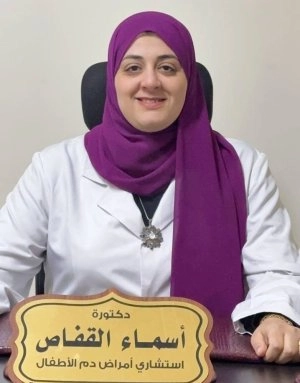

Bone marrow transplantation (BMT) is one of the most important modern medical procedures that can save the lives of patients suffering from serious blood disorders and certain types of cancer. This procedure involves replacing the patient’s damaged or diseased bone marrow with healthy stem cells, allowing the body to resume normal production of red blood cells, white blood cells, and platelets.In this Dalili Medical article, we will explore the different types of bone marrow transplantation, its indications, the step-by-step procedure, potential risks, recovery period, and the key benefits of the treatment.
What is Bone Marrow (Stem Cell) Transplantation?
Bone marrow transplantation, also known as hematopoietic stem cell transplantation (HSCT), is a medical procedure aimed at replacing damaged or diseased bone marrow with healthy marrow. Bone marrow is the spongy tissue inside the bones responsible for producing:
Red blood cells
White blood cells
Platelets
Bone marrow can be damaged or destroyed due to chemotherapy, radiation therapy, or certain diseases. Therefore, bone marrow transplantation is a vital treatment option for patients with life-threatening conditions such as:
Leukemia
Sickle cell anemia
Some other blood cancers
Is bone marrow transplantation a surgical procedure?
No, the transplant is not a surgical operation. Stem cells are injected intravenously, similar to a blood transfusion, allowing the cells to travel to the bone marrow and begin producing new blood cells.
How long does the transplantation take?
Stem cell infusion: about 1–2 hours
Full preparation and recovery: several weeks to months depending on the patient’s condition
When does the new marrow start working?
The transplanted bone marrow usually begins producing blood cells within 10–28 days after the transplant, with gradual improvement over time.
Is bone marrow transplantation painful?
The stem cell infusion itself is not painful, but some side effects may occur due to the chemotherapy administered beforehand, such as:
Severe fatigue
Nausea or vomiting
Can the body reject the transplanted marrow?
Yes, especially in the case of an allogeneic transplant (from a donor). This may lead to Graft-versus-Host Disease (GVHD), but doctors typically prescribe medications to reduce the risk and protect the patient.
How long is the recovery period after transplantation?
Initial recovery: 1–3 months, during which the body gradually starts producing blood cells.
Full recovery: 6–12 months, as the immune system regains strength and the patient returns to most normal activities.
Preparing for Bone Marrow Transplantation
Proper preparation is crucial for the success of the procedure and minimizing risks. Preparation includes evaluating health, choosing the type of transplant, preparing the body, and even mental readiness.
Pre-transplant evaluation
Before transplantation, patients undergo a comprehensive assessment to determine their readiness, including:
Physical examination to evaluate overall health and organ function
Blood tests to check organ function, blood counts, and detect underlying diseases
Imaging tests (X-rays, CT scans, or MRI) to assess organs and bone marrow
Heart and lung tests to ensure the body can tolerate chemotherapy or radiation
Infection screening (bacterial, viral, or fungal) and treatment if necessary
Psychological assessment to ensure emotional readiness
Choosing the type of transplant
The medical team decides whether the transplant will be:
Autologous: using the patient’s own cells
Allogeneic: using compatible donor cells
For donor transplants, HLA (human leukocyte antigen) matching is performed to ensure compatibility.
Collection of stem cells or bone marrow (for autologous transplant)
Stem cells are collected from the patient’s blood using an apheresis machine.
In some cases, bone marrow is extracted directly from the hip bone using a special needle.
Collected cells are stored for later transplantation.
Conditioning regimen before transplant
Conditioning helps the body accept the new cells and usually includes:
High-dose chemotherapy to destroy diseased cells and cleanse the marrow
Radiation therapy in some cases targeting specific body areas
Immunosuppressive drugs, especially in donor transplants, to prevent rejection
Donor preparation (for allogeneic transplant)
Blood tests to ensure compatibility with the patient
Collection of stem cells from blood or directly from bone marrow
Verification of cell quality and safety before infusion
Patient mental and practical preparation
Discussion of possible complications and understanding the recovery schedule
Arranging family or caregiver support during treatment
Preparing for long hospital stays and close follow-up after transplant
Methods of Bone Marrow Transplantation
The procedure varies depending on the stem cell source, but all types follow the basic stages: preparation, cell collection, and intravenous infusion.
1. Autologous Transplant
Cell source: patient’s own stem cells
Procedure steps:
Stem cell collection via apheresis after stimulating production
Conditioning with high-dose chemotherapy
Re-infusion of stem cells intravenously
Outcome: cells migrate to bone marrow and start producing healthy blood cells
2. Allogeneic Transplant
Cell source: compatible donor
Collection methods:
From blood (most common): donor receives medication to stimulate stem cell production, then cells are collected via apheresis
From bone marrow directly: harvested from hip bones under anesthesia
Procedure for patient:
Conditioning with chemotherapy or radiation
Stem cell infusion via IV
Cells start producing new healthy marrow
3. Cord Blood Transplant
Cell source: umbilical cord blood collected after birth
Procedure:
Stored in a special bank
Patient undergoes conditioning therapy
Cells are thawed and infused intravenously
New bone marrow begins forming
Infusion procedure
Not surgical
Done through IV, similar to a blood transfusion
Usually takes 1–2 hours
Common Conditions Treated with Bone Marrow Transplantation
Leukemia: AML, ALL, especially high-risk, recurrent, or resistant cases
Lymphoma: Hodgkin’s and non-Hodgkin’s, resistant or recurrent cases
Multiple Myeloma: autologous transplant can extend survival
Aplastic Anemia: severe marrow failure, helps restore healthy blood cells
Myelodysplastic Syndromes (MDS): used in progressive cases with significant symptoms
Sickle Cell Disease: replaces defective red blood cells in selected patients
Thalassemia: offers potential cure, particularly in children and young adults
Other genetic and immune disorders: including metabolic or autoimmune diseases not responding to standard treatment
Indications for Bone Marrow Transplantation
1. Autologous Transplant
Autologous transplantation uses the patient’s own cells, collected and stored prior to treatment.
Preferred conditions for autologous transplant:
Hodgkin’s and non-Hodgkin’s lymphoma: especially resistant or relapsed cases
Multiple myeloma: helps extend survival
Acute myeloid leukemia (AML): improves chances of remission after initial chemotherapy
Requirement: Stem cells must be disease-free to support recovery after high-dose chemotherapy.
2. Allogeneic Transplant
Allogeneic transplantation uses compatible donor cells, either from a relative or an unrelated donor.
Preferred conditions for allogeneic transplant:
Thalassemia: especially in children and young adults
Severe aplastic anemia: to restore blood cell production
Genetic disorders: such as sickle cell disease or immunodeficiency
Chronic myeloid leukemia (CML): in resistant or relapsed cases
High-risk or recurrent acute myeloid leukemia (AML)
Recurrent acute lymphoblastic leukemia (ALL) when initial therapies fail
Advanced or treatment-resistant hematologic malignancies
3. Additional general indications:
Failure of other treatments (chemotherapy or radiation)
Aggressive or high-risk disease
Relapse or recurrence of cancer
Poor prognosis with current treatment options, as transplantation offers a better chance of survival
Eligibility for Bone Marrow Transplantation
A multidisciplinary medical team decides patient eligibility, including:
Hematologists and oncologists
Transplant specialists
Factors considered:
Overall health
Disease stage
Availability of a suitable donor (for allogeneic transplant)
Conditions that may prevent eligibility:
Uncontrolled severe infection
Organ failure (heart, liver, kidneys)
Advanced age in certain cases
No suitable donor available (for allogeneic transplant)
Types of Bone Marrow Transplantation
1. Autologous Transplant
Stem cells or bone marrow are collected from the patient and stored, then re-infused after chemotherapy or radiation.
Commonly used for: leukemia, lymphomas, and multiple myeloma
Advantage: No risk of transplant rejection
Requirement: Patient’s marrow must be healthy to provide enough stem cells
2. Allogeneic Transplant
Stem cells or bone marrow are collected from a healthy donor (related or unrelated)
Donor cells must match the patient to reduce the risk of rejection and GVHD (Graft-versus-Host Disease)
Used when patient’s marrow is diseased or unable to produce healthy blood cells
Includes genetic disorders like sickle cell anemia
3. Cord Blood Transplant
Stem cells are collected from the umbilical cord of a newborn
Cord blood is rich in stem cells and is an effective option when no adult donor is available
Although engraftment may take longer than adult donor cells, it is widely used, especially in children
4. Syngeneic Transplant
Rarely, stem cells from an identical twin can be used
Advantage: Very low risk of rejection due to complete genetic match
Limitation: Only available to patients with an identical twin
Contraindications for Bone Marrow Transplantation
Although BMT is life-saving for many patients with blood cancers and genetic disorders, it is not suitable for everyone. Eligibility depends on overall health, disease stage, and risk assessment.
Main contraindications include:
Severe infections: Uncontrolled active infections make transplantation unsafe. Infection must be treated before the procedure.
Organ failure: Heart, liver, kidney, or lung failure increases the risk of complications.
Advanced age: Not an absolute barrier, but older patients face higher risks of slow recovery, infection, GVHD, or organ failure.
Severe comorbidities: Uncontrolled chronic diseases (diabetes, hypertension, etc.) may reduce the body’s ability to tolerate chemotherapy and radiation.
No suitable donor: Patients needing allogeneic transplants without a compatible donor may not be eligible.
Active aggressive cancer resistant to therapy: The disease must be controlled or in remission before transplantation.
Mental health or cognitive issues: Severe depression, anxiety, or cognitive impairment can affect understanding and adherence to treatment. Psychological evaluation is essential.
Inability to tolerate intensive chemotherapy or radiation: These pre-transplant therapies are necessary to eliminate diseased cells and make room for new marrow. Patients unable to tolerate them are not suitable candidates.
Risks and Complications of Bone Marrow Transplantation
BMT is a critical, potentially life-saving procedure but carries risks, especially because patients undergo high-dose chemotherapy that weakens immunity. Risks vary by age, health status, and transplant type.
1. Early complications (days to weeks after transplant):
Infections: Most common due to weakened immunity; may include bacterial, viral, or fungal infections. Symptoms include fever, fatigue, and recurrent infections.
Bleeding: Caused by low platelet count; may manifest as gum bleeding, bruising, or skin hemorrhages.
Anemia: Temporary drop in red blood cells causing fatigue, dizziness, or shortness of breath.
Nausea and vomiting: Often due to pre-transplant chemotherapy.
Hair loss: Usually temporary, caused by chemotherapy.
2. Complications specific to donor transplants:
Graft-versus-Host Disease (GVHD): Donor cells attack the recipient’s body, affecting skin, liver, or gastrointestinal tract. Severity varies.
3. Intermediate complications:
Delayed marrow recovery: marrow may take longer to produce blood cells
Organ damage: liver, kidney, or lungs may be affected by pre-transplant therapy
Prolonged immune suppression: increases infection risk for months
4. Long-term complications:
Infertility: chemotherapy can affect fertility
Hormonal disorders
Risk of disease recurrence
Increased risk of other illnesses later
Recovery After Bone Marrow Transplantation
Recovery is complex and varies based on patient health, age, transplant type, and complications. Understanding recovery stages and following post-transplant care instructions is crucial.
1. Immediate recovery (days to weeks after transplant):
Hospital stay: Most patients remain hospitalized 2–4 weeks for monitoring, infection prevention, and immune support
Blood cell production: New stem cells start producing blood cells in 2–4 weeks; transfusions may be needed
Infection monitoring: Antibiotics, antifungals, and antivirals are often given prophylactically
Nutritional support: Dietitians provide a balanced diet to support recovery, manage nausea, and maintain nutrition
2. Mid-term recovery (1–3 months post-transplant):
Immune system recovery: Can take several months; donor transplant patients may require immunosuppressive drugs to prevent GVHD
Physical therapy: Gradual exercises to restore strength and mobility after long hospital stays and treatment fatigue
Follow-up visits: Regular check-ups to monitor progress, detect infections early, and assess organ function
3. Long-term recovery (3–12 months post-transplant):
Return to normal activities: Many patients resume daily activities between 3–6 months but must avoid crowds, follow food precautions, and prevent infections
Immune rebuilding: Immunity continues to improve; vaccinations may be required
Supportive care: Ongoing medications may be needed for chronic complications like GVHD, low blood counts, or organ issues
Long-term monitoring: Essential for continued recovery and health maintenance
Post-Transplant Care Tips:
Infection prevention: Avoid sick contacts, wash hands frequently, and follow infection-control guidelines
Symptom monitoring: Watch for fever, rash, unusual bleeding, or persistent fatigue and report immediately
Healthy diet: Nutrient-rich foods support immunity and recovery; small frequent meals may help during early recovery
Emotional support: Psychological counseling can help manage emotional challenges during recovery