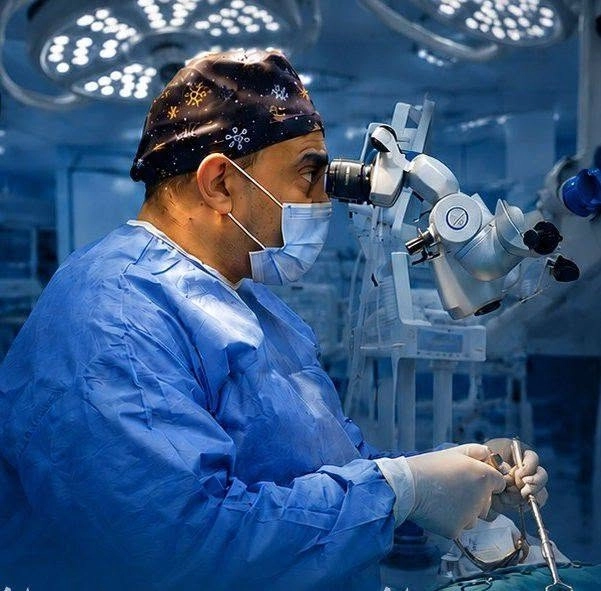

Awake brain surgery has become one of the greatest achievements in the field of neurosurgery, as it allows doctors to remove brain tumors or treat complex neurological conditions while preserving vital functions such as speech, movement, and sensation. This procedure is unique because the patient remains awake during part of the surgery and actively interacts with the medical team, helping surgeons avoid damage to sensitive and critical areas of the brain.In this Dalili Medical article, we will explore everything you need to know about awake brain surgery, including its types, procedural steps, potential risks and complications, and recovery process. Our goal is to provide you with a clear and comprehensive understanding of the procedure—from preparation to full recovery—so you can make informed decisions and feel more confident about this advanced and life-changing treatment.
Awake brain surgery helps doctors remove tumors or treat conditions located near critical brain areas responsible for speech, movement, and other essential neurological functions. The main goal is to preserve these vital functions while minimizing the risk of brain damage.
Not always. In many cases, surgeons use the asleep-awake-asleep technique. The patient is initially under general anesthesia. Once the surgeon reaches the sensitive area of the brain, the patient is gently awakened to cooperate with the surgical team. After completing this critical part, the patient is placed back under anesthesia to safely finish the procedure.
No. Local anesthesia and sedative medications ensure that the patient remains comfortable. The patient may feel mild pressure or touch, but the brain itself does not feel pain, so the procedure is not painful.
Yes. This is a key part of the procedure. The surgeon may ask the patient to speak, count, name objects, or move their hands or feet. These tasks help identify and protect vital brain areas responsible for speech and movement.
Like any brain surgery, it carries some risks. However, awake brain surgery significantly reduces the risk of losing speech, movement, or other neurological functions, especially when removing tumors near critical brain regions.
Most patients can return to their normal daily activities within a few weeks, depending on the size and location of the tumor and the patient’s overall health.
After surgery, doctors monitor neurological functions such as speech, movement, and coordination. Some patients may require physical therapy or speech therapy if temporary difficulties occur.
No, not all patients are suitable candidates.
The patient must be able to cooperate and follow instructions during the awake portion of the procedure.
Certain psychological or medical conditions may make the procedure unsafe.
The duration varies depending on the tumor’s size, location, and complexity. Typically, patients remain awake for 45 minutes to several hours during the most critical part of the surgery.
Severe anxiety, panic, or phobia related to surgery may prevent cooperation.
Conditions such as severe depression, schizophrenia, or cognitive disorders may interfere with the patient’s ability to follow instructions.
Diseases such as advanced heart failure, chronic lung disease, or severe sleep apnea may make the awake portion unsafe.
Awake brain surgery is typically performed on adults or older children who can cooperate.
Allergies or medical conditions that prevent safe use of local anesthesia.
Some deep or inaccessible tumors may not allow functional testing during surgery.
The patient remains awake while electrical stimulation is applied to specific brain areas. The patient performs speech or movement tasks to identify and protect vital regions.
Functional MRI (fMRI) is performed before surgery to identify critical brain regions. During surgery, this information is used along with direct testing.
Electrodes monitor brain and nerve activity during tumor removal while the patient performs specific tasks.
The tumor is removed in stages, with neurological testing after each stage to ensure safety.
The patient is asleep at the beginning, awakened for functional testing, then returned to sleep to complete the procedure.
The patient is partially sedated or awake after opening the skull. Electrical stimulation identifies critical brain areas while the patient performs tasks.
Functional MRI identifies important brain regions before surgery. During surgery, the surgeon confirms these areas with direct stimulation.
Electrodes monitor nerve activity while the patient performs movement or speech tasks.
Tumor removal occurs gradually with continuous testing of neurological function.
The patient is asleep at the start, awakened for functional testing, then returned to sleep to complete the surgery.
Including benign tumors, malignant tumors, and gliomas located near speech or motor areas.
To identify and remove seizure-causing brain tissue safely.
The patient may be asked to speak, read, or name objects during surgery.
Patients may be asked to move their hands, feet, or face.
Including arteriovenous malformations (AVMs) and aneurysms.
Such as scar tissue or damaged brain areas.
Including speech, movement, sensation, vision, memory, and cognition.
Functional testing during surgery provides more accurate information.
Surgeons can monitor speech, movement, and cognition in real time.
Allows removal of maximum tumor tissue while preserving critical functions.
Significantly lowers the risk of paralysis, speech loss, or sensory deficits.
Patients retain better mental and physical function after surgery.
Surgeons can modify the approach based on brain responses.
Helps prevent permanent disabilities and improves quality of life.
Awake brain surgery helps doctors precisely identify the areas of the brain responsible for seizures.
These areas can then be safely removed or treated without damaging essential brain functions such as speech, movement, or cognition.
Temporary or permanent weakness or paralysis in the hand, foot, or face.
Partial or temporary loss of speech ability.
Problems with sensation or balance.
Cause: Possible effects on brain tissue near the tumor or the targeted surgical area.
Bleeding inside the brain or around the surgical site may occur.
Patients are monitored using imaging scans after surgery. In most cases, bleeding can be controlled effectively if detected early.
Infection at the surgical site or inflammation of the brain membranes (meningitis) is rare.
The risk is minimized by strict sterilization protocols and preventive antibiotics when necessary.
Temporary headaches are common after surgery.
Dizziness or nausea may occur due to anesthesia or brain irritation, but these symptoms usually improve within days to weeks.
Some patients may experience fear or anxiety during the procedure.
Sedative medications are used to help patients relax, and the surgical and support teams provide reassurance and psychological support.
Although the patient is partially awake, local anesthesia and sedatives are still used.
Rare reactions may include low blood pressure or breathing difficulties.
In rare cases, permanent complications may occur, such as:
Permanent loss of speech
Permanent weakness or loss of sensation
Changes in memory, cognition, or mental processing
If the tumor is located very close to critical brain areas, the surgeon may not remove the entire tumor to avoid damaging essential neurological functions.
Awake brain surgery helps remove tumors or treat brain conditions located near critical areas while preserving essential functions. After surgery, patients go through several stages of recovery and must follow medical instructions carefully to achieve the best possible outcome.
The patient is monitored in the intensive care unit (ICU) or recovery room.
Vital signs such as blood pressure, heart rate, and breathing are closely monitored.
Basic neurological functions such as speech, movement, and sensation are evaluated.
Some patients may experience fatigue, mild headache, or temporary numbness.
Most patients can move in bed and perform simple activities.
Pain is usually mild and managed with medications.
Mild swelling or bruising around the surgical site may occur and gradually improves.
Speech and motor functions typically improve gradually over days to weeks.
If temporary deficits occur, patients may require physical therapy or speech therapy.
Keep the surgical site clean and dry.
Monitor for signs of infection such as redness, swelling, or discharge.
Contact the doctor immediately if any abnormal symptoms appear.
Sutures or surgical staples are removed according to the surgeon’s instructions.
Walking inside the home is usually possible within 2 to 3 days.
Light activities can be resumed after approximately 2 weeks.
Strenuous activities or heavy exercise should be avoided for 4 to 6 weeks or as advised by the surgeon.
MRI scans are typically performed weeks after surgery to evaluate tumor removal or treatment success.
Regular follow-up visits ensure proper neurological recovery and monitor for any recurrence.
Take medications exactly as prescribed, including pain relievers, anti-swelling medications, and sometimes anti-seizure drugs.
Get adequate rest and sleep to support healing.
Maintain a healthy, balanced diet to strengthen the body.
Attend physical therapy or speech therapy sessions if recommended.
Avoid activities that cause strain, head pressure, or excessive physical stress during the early recovery period.