
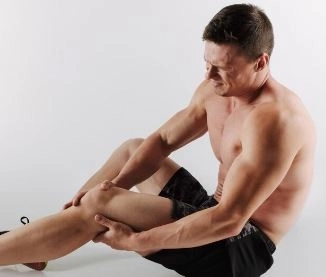
Groin Muscle Strain (Adductor Muscle Injury): Causes, Symptoms, and Treatment A groin muscle strain, also known as an adductor muscle injury, is one of the most common injuries among athletes and active individuals. It can occur suddenly during activities like running, jumping, or quickly changing direction. Sometimes, it develops gradually due to repeated stress on the muscle without sufficient rest.The pain from a groin muscle strain is not only uncomfortable, but it can also prevent you from performing daily activities or participating in your favorite sports. The good news is that with proper diagnosis, appropriate treatment, and rehabilitation exercises, most people fully recover and can return to their normal activities without issues. we will cover:
The causes of groin muscle strain
Symptoms and types of the injury
Diagnostic methods and treatment options including medications, exercises, and sometimes surgery
Tips to prevent recurrence before and after injury
A strain or pull of the inner thigh muscle, also known as the adductor muscle, is a common injury that occurs when the muscle fibers are stretched or torn. It often happens during sudden movements such as sprinting or quickly changing direction.
Key signs of this injury include:
Sudden pain in the inner thigh
Swelling in the affected area
Weakness of the muscle and difficulty moving the leg
Treatment usually involves rest, ice, compression, and elevation (RICE). With proper care, recovery can take anywhere from 3 weeks to 6 months, depending on the severity of the injury.
No, not all pain indicates a muscle injury. The pain could also be caused by:
Mild muscle strain
Ligament inflammation
Hip joint problems
Medical diagnosis is important if the pain persists or is severe.
No, painkillers only relieve pain—they do not treat the underlying cause.
Actual treatment includes:
Stretching and strengthening exercises
Physical therapy if needed
Yes, especially if the muscle is weak or if physical therapy is skipped.
Prevention includes:
Strengthening the adductor muscles
Stretching before any physical activity
Yes, if exercises are done correctly and progressively based on injury severity.
However, severe strains or partial tears require supervised physical therapy with a targeted exercise program.
Yes, some chronic injuries happen due to continuous stress or repetitive exercises without adequate rest.
The cause is often muscle weakness or stiffness.
Heat is useful after the first two days to increase blood flow and reduce stiffness.
During the first two days, ice is better to reduce swelling and inflammation.
Yes, if the pain is very mild, walking or light flexibility exercises are possible.
Avoid running, jumping, or strong lateral movements until the muscle regains strength.
Yes, weakness in the adductor muscles affects body balance and the thigh’s ability to support the hip, which may put stress on the knee or lower back.
In mild cases, rest and simple exercises may help.
However, physical therapy is recommended to strengthen the muscle and prevent recurrence.
Not always. Sometimes a mild strain can be very painful, and a partial tear may cause moderate pain.
Medical examination or imaging is the most accurate way to assess severity.
No, painkillers only reduce pain and do not prevent injury.
Sometimes the muscle feels fine, but overloading it can lead to a bigger tear.
Yes, especially young athletes in sports like running, soccer, tennis, or dance.
Key prevention factor: proper warm-up and stretching before activity.
After surgery, the muscle usually returns to normal if physical therapy and exercises are followed.
Skipping strengthening exercises after surgery can cause persistent weakness.
Yes, it may increase strain, especially on very hard or slippery surfaces.
Best practice: use a flexible floor or exercise mat to reduce stress and protect the muscle.
A groin or adductor muscle strain occurs when the muscle is stretched or experiences a mild or severe tear. Common causes include:
1️⃣ Improper or no warm-up
Starting exercises or sports without proper stretching leaves the muscle “cold” and prone to injury.
2️⃣ Sudden movements
Such as:
Quick changes in direction
Explosive starts
Jumping or sliding
These movements put high pressure on the adductor and increase injury risk.
3️⃣ Overtraining or excessive exercise
Excessive load on the muscle
Repeating exercises too frequently
Lifting weights beyond the muscle’s capacity
All can lead to strain or tear.
4️⃣ Weak or stiff inner thigh muscles
Weak or inflexible muscles are more prone to injury, even with simple movements.
5️⃣ Muscle imbalance
If the front or back thigh muscles are stronger than the inner muscles, it creates uneven strain and adductor fatigue.
6️⃣ Previous injuries
A past injury without proper rehabilitation increases the risk of recurrence.
7️⃣ Poor technique or posture
Incorrect running form, side impacts, or improper exercise technique increases stress on the adductor.
8️⃣ General fatigue or lack of rest
Insufficient sleep, inadequate rest between workouts, or overall fatigue weakens the muscle and makes it more prone to injury.
9️⃣ Playing surface or improper footwear
Slippery or unstable surface
Unsupportive athletic shoes
These can lead to sudden movements that strain or tear the muscle.
Symptoms vary based on severity and usually appear in the inner thigh or upper groin area.
General symptoms include:
Pain in the inner thigh or groin area
A feeling of tightness or burning in the muscle
Pain that worsens with walking or running
Difficulty bringing legs together or apart
Tenderness when touching the muscle
Pain when changing direction suddenly
Pain during sprinting or jumping
Weakness or instability in the leg
Feeling that the muscle is “not supporting” or weak
Stiffness in the muscle, especially after rest
Pain that appears or worsens after exercise
Difficulty returning to normal activity
Adductor muscle injuries are classified according to severity, which affects treatment and recovery time. They range from mild strain to complete tear:
Symptoms:
Mild pain or slight discomfort in the muscle
Minor difficulty moving the leg, but daily activities are possible
Little to no swelling or bruising
Muscle strength generally unaffected
Treatment:
Rest and avoid activities that increase pain
Apply ice to reduce pain and swelling
Gentle stretching after 48 hours to prevent stiffness
Recovery Time:
From a few days up to 2 weeks depending on pain severity
Symptoms:
Moderate to severe pain
Difficulty performing daily activities such as walking or running
Noticeable swelling and bruising in the thigh
Significant muscle weakness and limited leg movement
Treatment:
Longer rest to prevent worsening
Ice to reduce swelling
Elevate the leg to prevent additional swelling
Rehabilitation exercises under supervision after pain decreases
Painkillers if necessary
Recovery Time:
2 to 6 weeks with physical therapy and rest
Symptoms:
Severe pain immediately after injury
Major swelling and bruising
Significant difficulty walking or moving
Audible “pop” or unusual sound during injury
Complete loss of adductor muscle function
Treatment:
Absolute rest for an extended period
Surgical repair of muscle fibers or tendons may be required
Post-surgery rehabilitation and strengthening exercises
Recovery Time:
6 weeks to 6 months depending on injury severity
Diagnosis is done through several steps to determine injury severity, location, and the best treatment approach:
1️⃣ Medical History & Clinical Examination
Medical History: Previous injuries, type of sport or daily activities, current symptoms
Clinical Examination: Locate pain and assess muscle tension
Assess pain level
Check for swelling or bruising
Test muscle strength and ability to resist pressure
Simple Tests:
Adductor squeeze test: Squeeze legs against resistance; pain indicates injury
Stretching test: Stretch thigh in specific positions to assess flexibility
2️⃣ Imaging Tests (if necessary)
X-ray: Detects bone fractures, not muscles or soft tissue
MRI: Best for detecting muscle or tendon tears; shows injury grade and extent
Ultrasound: Less expensive; can detect tears but provides limited information
3️⃣ Muscle Flexibility Tests
Simple exercises to check muscle’s ability to stretch and contract
Without proper treatment, adductor injuries can lead to complications affecting movement and sports performance:
1️⃣ Recurrent Injury: Untreated muscles may remain weak, leading to repeated injuries
2️⃣ Muscle Stiffness: Untreated injury decreases flexibility and increases future injury risk
3️⃣ Adductor Weakness: Partial or complete tear may cause ongoing weakness
4️⃣ Reduced Mobility: Severe pain may restrict walking or running; some sports may be difficult
5️⃣ Tendon or Ligament Involvement: Can worsen injury severity, sometimes requiring surgery
6️⃣ Psychological Impact: Chronic injuries may cause anxiety, frustration, or loss of motivation
7️⃣ Sports Performance Impact: Returning too early can lead to repeated injuries and reduced performance
Severe adductor injuries may require surgery to repair tears or reinforce the muscle. Surgical options include:
Indications:
Complete adductor tear
Severe tendon or muscle attachment rupture
Cases unresponsive to conservative treatment
Procedure:
Incision over the injured area
Repair torn fibers or reattach tendons to bone
Complete rest followed by physical therapy
Indications:
Moderate injuries
Repair small or partial tears
Procedure:
Small camera and surgical tools inserted through tiny incision
Less invasive, less pain, faster recovery
Indications:
Tendon injuries associated with the adductor
Large tears requiring surgical repair
Procedure:
Stitch torn tendon ends together
Sometimes requires an incision in upper thigh
Indications:
Weak or partially damaged muscle from previous injuries
Requires full repair and strengthening
Procedure:
Repair with surgical sutures or artificial tissue
Sometimes uses stem cell grafts to stimulate muscle growth
Ice and pain management
Gentle flexibility exercises after 2 weeks
Progressive strengthening after 4–6 weeks
Gradual increase in range of motion and muscle strength
Return to sports or normal activity after 6–12 weeks depending on severity
Drug treatment aims to reduce pain and inflammation, aiding recovery. Usually used alongside rest and physical therapy.
1️⃣ Simple Painkillers (e.g., Paracetamol) – relieve pain, safe, but do not treat inflammation
2️⃣ NSAIDs (e.g., Ibuprofen, Diclofenac, Naproxen) – reduce pain and swelling, improve mobility; use short-term under supervision
3️⃣ Muscle Relaxants (e.g., Methocarbamol, Tizanidine) – relieve muscle tightness; may cause drowsiness
4️⃣ Topical Creams/Gels – anti-inflammatory or cooling/warming gels for mild cases
5️⃣ Local Injections (e.g., Cortisone) – reduce severe inflammation; limited use
6️⃣ Supplements (e.g., Vitamin D, Magnesium, Omega-3) – support muscle recovery, not direct treatment
Rehabilitation exercises are key to recovery. They must be performed in correct order and according to injury grade.
⚠️ Precautions:
Start exercises after acute pain disappears
Stop any exercise causing severe pain
Goal: Reduce stiffness, improve flexibility
Inner thigh stretch: Sit, open legs gently, lean forward, hold 15–20 sec × 3
Pillow squeeze: Lie down, place pillow between thighs, squeeze 5 sec × 10
Butterfly stretch: Sit, press knees down gently, hold 20 sec × 3
Isometric contraction: Sit or lie, contract inner thigh muscles without movement 5 sec × 10
Goal: Strengthen muscle and regain control
Standing leg adduction: Move leg inward slowly 12–15 reps each leg
Bridge with pillow squeeze: Lie on back, knees bent, lift pelvis, squeeze pillow 10–12 reps
Side leg raises: Lie on side, raise bottom leg slowly 10–15 reps × 2
Light squats: Feet slightly apart, shallow squats 10 reps × 2
Goal: Prevent recurrence, restore full strength
Deep lateral lunges: Wide step sideways, slow descent 8–10 reps each leg
Wide squats: Wider stance, slow squat 10 reps × 2
Ball squeeze: Stand, squeeze small ball between legs 10–15 reps
Balance exercises: Stand on one leg 20–30 sec × 3
Side lunges: Step sideways, bend one leg, extend the other 8–10 reps each leg
❌ Initially prohibited exercises:
Running or sprinting
Jumping
Quick changes in direction
Forceful leg opening
⏱️ Exercise Program Duration:
Mild strain: 2–3 weeks
Partial tear: 4–6 weeks
Severe tear: Under supervised physical therapy