

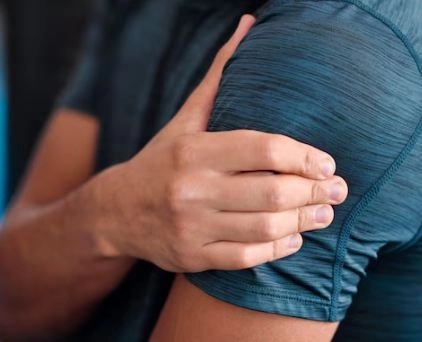
The shoulder is one of the joints most prone to injury due to its flexibility and wide range of motion. One of the injuries that can affect movement and strength is a SLAP tear, known as a tear of the upper part of the labrum from front to back. This injury not only causes pain but can also impact sports performance or simple daily activities, such as lifting objects or rotating the arm. we will explore the causes of SLAP tears, their symptoms, diagnostic methods, the different types, as well as the latest treatment options, including exercises, medications, or surgery, along with tips for prevention and complete recovery.
A SLAP tear is a tear in the cartilaginous tissue known as the labrum in the shoulder joint. It occurs in the upper part of the labrum from front to back (anterior to posterior). The term SLAP stands for Superior Labrum Anterior to Posterior.
The labrum is a ring of cartilage that helps stabilize the shoulder joint and keep it secure. The upper part of the labrum is where the biceps tendon attaches.
When a tear occurs in this area, it may cause shoulder pain, a feeling of instability, and difficulty moving the arm freely.
Repairing a SLAP tear arthroscopically usually takes about 1 to 1.5 hours, but the duration may vary depending on the size of the tear and any associated shoulder problems.
Daily activities: Approximately 4–6 weeks.
Return to sports or heavy lifting: 3 to 6 months, depending on the type of tear and the surgical method.
It occurs in both groups:
Athletes who frequently perform overhead arm movements (e.g., baseball players, volleyball players, or weightlifters) are most at risk.
Older adults may experience tears due to cartilage degeneration with age, even without major trauma.
Yes, if the tear is mild (Type I) or pain is minimal, conservative treatment may be sufficient before considering surgery. Conservative treatment includes:
Physical therapy: To strengthen shoulder muscles and improve stability.
Pain relief and anti-inflammatory medications: To reduce pain and inflammation.
Avoiding painful movements: Such as repeated overhead lifting or sudden arm movements.
With regular adherence to physical therapy, most patients can return to sports or weightlifting within 3–6 months, depending on the tear type and surgical procedure.
Important note: Following the rehabilitation plan is essential to prevent reinjury.
In some types, especially Type II–IV, the tear may extend into the biceps tendon, potentially causing weakness in arm strength. Surgery may sometimes require stabilizing or repairing the tendon to restore normal strength.
Yes, if left untreated or if rehabilitation exercises are not performed after surgery, stiffness or limited range of motion may develop. Regular exercises significantly reduce this risk and maintain joint flexibility.
Recurrence is low if patients follow physical therapy and gradually return to sports or activity.
Direct pressure on the shoulder or lifting heavy weights before full recovery may increase the risk of reinjury.
Persistent severe pain, even at rest
Feeling that the shoulder is “loose” or moving abnormally
Severe weakness preventing lifting or daily activities
Continuous clicking, swelling, or warmth in the shoulder
1. Repetitive movements or chronic stress:
Athletes performing frequent overhead arm movements, such as baseball players, volleyball players, or weightlifters, can develop gradual wear and tear on the labrum.
2. Sudden injuries or trauma:
Falling on an outstretched hand or directly on the shoulder
Lifting heavy weights incorrectly
Sudden forceful backward or overhead arm movements
3. Aging and natural degeneration:
With age, the shoulder cartilage and ligaments weaken, increasing tear risk even from minor injuries.
4. Excessive stress on the biceps tendon:
The tendon attaches to the upper labrum. Continuous or sudden strain can lead to a SLAP tear.
5. Other accidents:
Car accidents or any strong impact to the shoulder from the front or back.
Symptoms vary depending on the severity of the tear but generally include:
Shoulder pain – especially when lifting the arm overhead or moving it backward; can be sharp initially or a constant discomfort.
Clicking or popping sounds – some people feel or hear a snap when moving the shoulder.
Muscle weakness – difficulty lifting objects or moving the arm backward or overhead; weakness in the biceps muscle.
Shoulder instability – feeling that the shoulder is “loose” or moving abnormally at times.
Restricted movement – pain or difficulty rotating the shoulder, particularly in throwing sports.
Pain when lifting weights – even light weights can cause pain if the movement stresses the torn labrum.
Diagnosis requires careful evaluation, as symptoms may overlap with other shoulder issues, such as tendon injuries or inflammation. Diagnostic methods include:
1. Physical examination:
The doctor assesses shoulder motion and performs specific tests:
O’Brien test: Arm rotation and pressure to detect pain in the upper labrum
Biceps load test: Evaluates tension on the biceps tendon affecting the labrum
2. X-rays:
Standard X-rays usually do not show SLAP tears but help rule out bone fractures or arthritis.
3. MRI (Magnetic Resonance Imaging):
MR Arthrogram is the most accurate method.
Contrast dye highlights the labrum and joint, revealing tears.
4. Ultrasound:
Less precise than MRI but sometimes used to assess surrounding tendons and muscles.
5. Shoulder arthroscopy:
Considered the definitive diagnosis and can sometimes treat the tear simultaneously.
A small camera is inserted into the shoulder to visualize the labrum directly and determine the tear type.
SLAP tears were first classified in the 1990s by Snyder, and over time additional variants were added, bringing the total to 10 types. This classification describes the tear’s shape, extent, and relationship to the biceps tendon. The most common types are Type I–IV, while the other types represent complex or rare tears.
Type I
Description: Degeneration or fraying of the upper labrum, but the biceps tendon is intact.
Who it affects: Usually older adults.
Treatment: Mostly conservative methods or arthroscopic cleaning without repair.
Type II
Description: Detachment of the biceps tendon from the labrum.
Who it affects: Young athletes or individuals with direct shoulder trauma.
Treatment: Arthroscopic SLAP repair, sometimes with biceps tendon stabilization.
Type III
Description: Bucket-handle tear of the labrum, with the biceps tendon remaining intact.
Treatment: Arthroscopic removal of the torn portion (Debridement) while preserving healthy tissue.
Type IV
Description: Bucket-handle tear extending into the biceps tendon.
Treatment: Depending on the tear, may include:
Debridement
Biceps tendon stabilization
Arthroscopic SLAP repair
Less common/complex types
Type V: Type II tear with extension to the anterior labrum (Bankart lesion), often after shoulder dislocation.
Treatment: Arthroscopic repair of both SLAP and Bankart lesion.
Type VI: Flap tear (free piece) in the upper labrum that flips upward.
Treatment: Remove free fragment and stabilize the labrum.
Type VII: Tear starting from the glenoid edge extending into glenohumeral ligaments.
Treatment: Repair labrum and anterior capsule structures.
Type VIII: Type II tear extending to the posterior labrum.
Type IX: 360-degree tear around the entire labrum with complete detachment.
Treatment: Wide, multi-point labral repair.
Type X: Tear starting at the anterosuperior labrum extending to the middle glenohumeral ligament.
Treatment: Capsulolabral repair with biceps tendon evaluation.
If a SLAP tear is not treated, it can gradually cause shoulder problems, ranging from mild discomfort to significant limitations in daily life or sports:
Persistent pain – Pain increases over time, especially when lifting the arm overhead. It may become chronic even at rest.
Shoulder weakness – Biceps tendon and labrum are affected, making lifting objects or sports difficult. Weakness can lead to rapid fatigue.
Limited range of motion – Tear reduces shoulder flexibility, making simple movements painful.
Shoulder instability – Some SLAP tears, particularly Types II–IV, may make the shoulder feel loose or move abnormally, especially during throwing or falls.
Increased risk of other injuries – Untreated tears stress surrounding tendons, particularly the rotator cuff, possibly leading to additional tears or chronic inflammation.
Impact on sports/work – Athletes may avoid training due to pain and weakness. People who lift or carry objects may struggle with daily tasks.
1. Labrum Debridement
Best for: Type I or simple, non-detached tears
Method: Remove torn or damaged labral tissue to improve shoulder movement and reduce pain.
Outcome: Pain relief and preserved motion; labrum is not fully restored.
2. Labrum Reattachment (SLAP Repair)
Best for: Type II and some Type IV tears
Method: Small anchors or sutures secure the labrum back to the bone. Often done arthroscopically.
Outcome: Restores shoulder stability and biceps tendon function; allows return to sports or heavy lifting after recovery.
3. Biceps Tendon Procedures (Tenodesis / Tenotomy)
Best for: Type II–IV, especially if the biceps tendon is involved
Tenodesis: Reattach the biceps tendon to a new location on the bone
Tenotomy: Cut the biceps tendon to relieve pain
Outcome: Reduces pain; Tenotomy may slightly reduce strength or change muscle appearance.
Type I – Simple Labral Tear
Situation: Minor fraying, labrum stable
Treatment: Debridement + physical therapy
Expected result: Less pain, preserved motion, usually no major surgery
Type II – Labrum Detachment
Situation: Upper labrum partially or fully detached; biceps tendon often unstable
Treatment: SLAP repair (sutures/anchors), sometimes Tenodesis/Tenotomy
Expected result: Restored stability and strength; requires rehab
Type III – Bucket-Handle Tear
Situation: Labrum forms a flap, biceps tendon intact
Treatment: Debridement or stabilization of remaining tissue; physical therapy
Expected result: Less pain, preserved motion; biceps tendon usually unaffected
Type IV – Tear Extending to Biceps Tendon
Situation: Tear involves biceps tendon
Treatment: SLAP repair + Tenodesis/Tenotomy as needed; essential rehab
Expected result: Longer recovery; with therapy, shoulder usually returns to normal
Pain relievers: Paracetamol for mild to moderate pain
NSAIDs: Ibuprofen, Naproxen, Diclofenac to reduce pain and inflammation (short-term, as directed by doctor)
Injections: Corticosteroid injections for severe pain or inflammation; temporary effect
Supportive supplements: Glucosamine or collagen to strengthen tendons/cartilage (limited scientific evidence)
1. Pain and inflammation reduction phase (first 2 weeks):
Passive range-of-motion exercises (assisted movements without strain)
Gentle shoulder/arm motions to prevent stiffness
2. Active motion recovery phase:
Lift arms forward/side within pain-free range
Slow internal/external shoulder rotations
Gradually restore normal motion
3. Muscle strengthening phase:
Biceps and rotator cuff strengthening with light weights or resistance bands
Shoulder stability exercises to protect the joint
4. Return-to-sport/daily activities phase:
Progressive overhead lifting or throwing for athletes
Full range movements with appropriate resistance for daily tasks
Type I (non-surgical):
Persistent pain: 2–4 weeks
Normal motion: 4–6 weeks
Return to sports: 6–8 weeks
Type II or Types III–IV (surgical + rehab):
Phase 1 (protective/passive motion): 4–6 weeks
Phase 2 (strength/mobility): 6–12 weeks
Phase 3 (return to sport/heavy lifting): 3–6 months
Note: Adhering to physical therapy is crucial to prevent stiffness or weakness.
Strengthening shoulder and arm muscles:
Rotator cuff and biceps exercises to reduce labrum stress and stabilize the shoulder
Flexibility exercises (Stretching):
Stretch muscles before and after activity to reduce injury risk
Avoid sudden or excessive movements:
Do not lift arms overhead quickly or repeatedly without proper training
Gradual progression in throwing sports
Use proper techniques during sports or work:
Correct lifting, throwing, or pushing techniques
Allow adequate rest:
After intense or repetitive shoulder activity, allow time for recovery
Monitor pain or instability:
Persistent pain or instability requires prompt medical evaluation
Post-injury prevention:
Follow rehab and strengthening programs consistently to prevent recurrence