
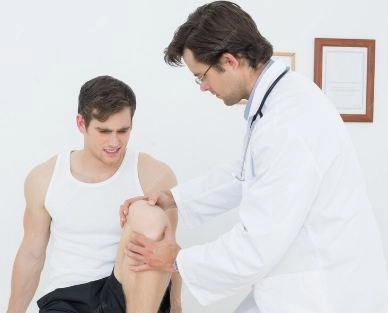
Do you feel knee pain especially when climbing stairs, kneeling, or after exercising? The cause may be plica syndrome, a common condition that many people are not aware of.Plica syndrome occurs when the synovial fold inside the knee becomes inflamed or irritated, leading to pain, clicking or popping sensations, and sometimes limited joint movement.In this Dalily Medical article, we will explore the causes of plica syndrome, its characteristic symptoms, diagnostic methods, and the latest treatment options—including medications, physiotherapy, and surgical intervention. We will also share important tips for prevention and maintaining a healthy, strong knee, so you can move freely without pain.
Plica syndrome is a condition caused by inflammation or irritation of the synovial fold (plica) inside the knee joint. This inflammation can lead to:
Knee pain
Clicking or popping sounds during movement
Difficulty bending the knee or moving it freely
Usually, no. However, if left untreated, it may lead to complications such as:
Persistent chronic knee pain
Restricted knee movement
Inflammation of the joint or cartilage damage over time
No. Plica syndrome can occur at any age, but it is more common in adolescents and physically active young adults due to repetitive knee movements.
Sometimes the pain may decrease if knee activity is reduced, but the inflammation can worsen over time and may eventually lead to cartilage or joint problems if left untreated.
Yes. An inflamed plica can rub against the meniscus, increasing irritation and potentially raising the risk of a meniscal tear if the condition is not properly treated.
Yes, recurrence is possible—especially if sports are resumed too quickly or without strengthening the muscles around the knee. Adhering to rehabilitation exercises and preventive measures is essential to reduce the risk of recurrence.
Appropriate, low-impact exercises usually help reduce pain.
If sharp or severe pain occurs during exercise, it should be stopped immediately, and a doctor or physical therapist should be consulted.
No. Arthroscopic surgery is very safe and minimally invasive compared to open surgery. Recovery is faster, and the risk of cartilage damage is very low with modern surgical techniques.
Arthroscopic surgery: Recovery usually takes 2–6 weeks before returning to normal activities.
Open surgery: Longer recovery, approximately 6–12 weeks, depending on knee condition.
Physical therapy and therapeutic exercises are the most effective and scientifically proven treatments.
Herbs, heat therapy, or ice packs may provide temporary pain relief but are not definitive or long-term treatments.
Clicking or popping is a characteristic symptom of plica syndrome, especially during knee bending or stair climbing.
Persistent clicking accompanied by pain often indicates synovial fold irritation.
Yes. Swimming and water-based exercises are excellent for strengthening muscles and mobilizing the knee without excessive stress on the synovial tissue.
Plica syndrome occurs when the synovial fold becomes irritated or inflamed. Common causes include:
Activities such as running, cycling, jumping, or sports involving frequent knee flexion and extension can irritate the synovial fold.
Direct trauma, falls, or injuries to the cartilage or ligaments may trigger plica inflammation.
Some individuals are born with thicker or more sensitive plicae, making them more prone to irritation.
Conditions such as rheumatoid arthritis or chronic cartilage inflammation can aggravate the plica.
Weak or imbalanced thigh muscles may cause abnormal knee movement, increasing friction on the plica.
Knee pain:
Usually located at the front or inner side of the knee
Worsens with stair climbing, prolonged sitting, or sudden bending
Mild swelling:
Less severe than swelling seen with meniscal injuries
Clicking or popping sensation:
Felt or heard during knee flexion or extension
Restricted knee motion:
Stiffness or difficulty fully bending or straightening the knee
Sensation of instability or knee “catching”:
Some patients feel the knee may lock or give way
Symptoms worsen with physical activity:
Running, jumping, or cycling may intensify pain and irritation
Plica syndrome varies depending on the location and structure of the synovial fold. There are four main types:
Most common type
Located on the inner side of the knee
Causes medial knee pain, especially during walking or stair climbing
Less common
Located on the outer side of the knee
May cause mild lateral knee pain
Located above the knee joint
Rarely symptomatic but may cause clicking during knee bending
Located beneath the kneecap
Often causes pain during kneeling or stair climbing
If treatment is delayed, plica syndrome may lead to:
Worsening chronic pain
Limited knee mobility affecting daily activities
Cartilage or joint inflammation due to continuous friction
Recurrent clicking or knee locking
Reduced athletic performance in active individuals
Accurate diagnosis is essential because symptoms may resemble other knee conditions.
Identifying pain location
Evaluating activities that worsen symptoms (kneeling, stairs, prolonged sitting)
Performing specific knee movements to detect pain or clicking
Medial Plica Test:
Pressure is applied to the inner knee while moving it; pain or clicking suggests plica irritation.
X-ray: Used to rule out other conditions
MRI: Best for visualizing the plica and assessing cartilage and ligaments
Ultrasound: Sometimes used to evaluate synovial inflammation
Such as meniscal tears, ligament injuries, arthritis, or bone-related conditions.
Very small incisions (less than 1 cm).
An arthroscope is used to visualize and remove the inflamed plica.
Advantages: minimal scarring, less pain, faster recovery.
After surgery: gradual knee bending and straightening exercises, physiotherapy, and return to sports within 4–6 weeks.
A larger incision is made to remove the inflamed plica.
Used in complicated cases or when other knee injuries are present.
Advantages: suitable for severe or complex conditions.
Disadvantages: longer recovery time, more pain, larger scar.
After surgery: physiotherapy for 6–8 weeks, with strengthening and stabilization exercises.
Only the inflamed portion of the plica is removed.
Less painful than open surgery and relatively faster recovery.
Used in rare situations to correct knee shape or congenital abnormalities.
Often combined with cartilage or ligament problems.
Medications play an important role, especially in early stages:
Simple pain relievers: Paracetamol for mild to moderate pain.
Non-steroidal anti-inflammatory drugs (NSAIDs): Ibuprofen or naproxen to reduce pain and swelling.
Steroid injections: Used in severe cases to rapidly reduce inflammation.
Supportive supplements: Such as collagen or cartilage supplements—adjunctive, not a primary treatment.
Exercises are one of the most effective non-surgical treatments because they:
Strengthen muscles around the knee.
Reduce friction on the inflamed plica.
Improve joint stability.
Hamstring Stretch
Sit on the floor with the affected leg extended.
Lean forward slowly while keeping the knee straight.
Hold for 20–30 seconds, repeat 3 times.
Quadriceps Stretch
Stand while holding a chair for support.
Pull your heel toward your buttocks.
Hold for 20–30 seconds, repeat 3 times.
Glute Stretch
Lie on your back, place one leg over the opposite knee.
Gently pull the bent leg toward your chest.
Hold for 20–30 seconds, repeat 3 times.
Straight Leg Raises
Lie on your back and lift the affected leg straight.
Repeat 10–15 times, 2–3 sets.
Bridge Exercise
Lie on your back with knees bent.
Lift hips while tightening glutes and thighs.
Hold for 5 seconds, repeat 10–15 times.
Wall Slides
Lean against a wall and slowly bend knees to 30–45 degrees, then straighten.
Repeat 10–15 times, 2–3 sets.
Stability Ball Knee Exercise
Place a small ball under the foot and gently roll it while bending and straightening the knee.
Single-Leg Balance
Stand on one leg for 20–30 seconds.
Repeat 3–5 times per leg.
Balance Cushion Exercise
Stand on a soft cushion and slightly bend the knee.
Repeat 10–15 times.
Resistance Band Leg Press
Attach a resistance band to the foot and extend the leg against resistance.
Repeat 10–15 times per leg.
Adductor Squeeze
Sit and place a small ball between knees.
Squeeze gently for 5 seconds, repeat 10–15 times.
Side-Lying Leg Lifts
Lie on your side and lift the top leg slowly.
Repeat 10–15 times, 2–3 sets per side.
Standing Quadriceps Stretch (Advanced)
Pull foot toward buttocks and hold 30 seconds.
Knee Circles
Move the knee in circular motions.
10 times each direction.
Stationary cycling: 10–15 minutes daily.
Swimming or water walking: excellent for strengthening without joint stress.
Single-Leg Bridge
Lift hips while one leg is extended.
Repeat 10–15 times, 2–3 sets.
Hamstring Curl with Resistance Band
Bend knee against band resistance.
Repeat 10–15 times, 2–3 sets.
Partial Squats on Balance Pad
Perform slow half-squats on an unstable surface.
Repeat 10–12 times, 2–3 sets.
Lateral Band Walk
Walk sideways with resistance band.
10–15 steps each direction.
Step-Up Exercise
Step onto a low platform with the affected leg.
Repeat 10–12 times per leg.
Mini Hops
Perform small hops on one foot.
Repeat 10–15 times per leg.
Dynamic Stretching
Leg swings forward/backward: 10–15 times.
Large knee circles: 10 times each direction.
Wear proper shock-absorbing athletic shoes.
Avoid hard surfaces for running or jumping.
Warm up for 5–10 minutes before exercise.
Strengthen thigh, glute, and hamstring muscles.
Avoid sudden twisting or sharp movements.
Maintain a healthy body weight.
Rest the knee and reduce strenuous activities.
Apply ice packs for 15–20 minutes, 2–3 times daily.
Use a knee brace if needed for support.
Daily exercises strengthen surrounding muscles.
Improve knee mobility and reduce pain.
Consistency is key to full recovery.
Use pain relievers and NSAIDs as prescribed.
Follow dosage and duration to avoid side effects.
Continue physiotherapy as recommended.
Avoid high-impact activities early on.
Gradually increase activity and exercise intensity.
Avoid sudden stress on the knee.
Monitor swelling or severe pain and consult a doctor if it occurs.
Maintain a healthy weight to reduce stress on the knee and prevent recurrence.