
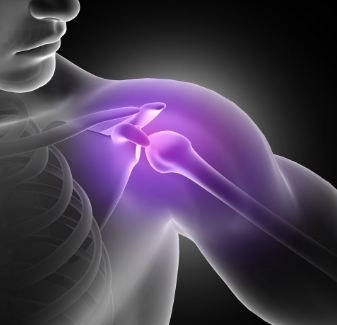
The shoulder is one of the most sensitive and complex joints in the body, and recurrent dislocations can cause significant pain, affecting your daily life and the sports you love. Bankart surgery is considered the optimal solution to stabilize the shoulder and restore its strength and natural movement. In this Daly Medical article, we will explore what Bankart surgery is, why it is performed, its types and benefits, as well as the recovery process and exercises that will safely restore your shoulder’s mobility. Whether you’re an athlete, someone who has suffered an injury, or simply want to learn more about shoulder health, this article will serve as your complete guide.
Bankart shoulder surgery is a medical procedure designed to stabilize the front of the shoulder joint by repairing a torn labrum, the cartilage that protects the joint. The surgery can be performed arthroscopically to reduce pain and speed up recovery, or in some complex cases, through open surgery.
Prevents recurrent shoulder dislocation
The surgery effectively stabilizes the shoulder and greatly reduces the risk of repeated dislocations after injuries or accidents.
Reduces chronic shoulder pain
Most patients notice a significant reduction in pain during daily activities and sports after the procedure.
Restores shoulder strength and natural motion
The surgery helps the muscles and ligaments function efficiently, returning full arm and shoulder mobility.
Allows a safe return to sports and physical activities
Athletes can gradually resume activities like handball, football, or weightlifting after completing a safe rehabilitation program.
Improves confidence and shoulder stability
Repairing the Bankart lesion gives patients confidence in their shoulder, especially important for those with recurrent dislocations.
Reduces future shoulder complications
Surgery lowers the risk of cartilage damage or early shoulder arthritis caused by repeated dislocations or injuries.
Before undergoing Bankart repair surgery, it is important to follow a balanced diet rich in vitamins and minerals to support faster healing:
Lean proteins (e.g., grilled chicken, fish)
Fresh fruits and vegetables
Whole grains (e.g., oats, brown rice)
Avoid heavy, fatty meals before surgery and always follow any dietary instructions given by your surgeon.
After Bankart repair surgery, you can usually return to your normal diet unless otherwise advised by your doctor.
Drink plenty of water and eat nutrient-rich foods to support faster recovery and strengthen your body.
Older patients should discuss their overall health and any existing medical conditions with the surgeon.
Age can affect recovery speed, so rehabilitation programs are often customized to meet individual needs.
Pregnant women should consult their healthcare provider before any surgery.
The doctor will assess the risks and benefits, and in many cases, the surgery is postponed until after delivery to ensure the safety of both mother and baby.
Yes, Bankart surgery can treat shoulder instability in children.
Decisions are made carefully considering growth and development to ensure long-term optimal results.
Inform your surgeon if you’ve had any previous shoulder surgeries.
Prior surgery may affect how the procedure is performed, the recovery plan, and expected outcomes.
Generally suitable for young adults and older patients.
The type and approach of surgery may vary depending on age.
Recovery time may be longer with increasing age.
Rehabilitation programs are tailored to each patient’s health condition.
Yes, most patients use a sling or brace for 3–6 weeks depending on surgery type and injury severity to ensure shoulder stability during recovery.
Usually possible after 6–8 weeks, but check with your doctor depending on your shoulder condition and surgery type to avoid pressure on the joint.
Rarely, dislocation may occur again, especially after a strong injury or if the patient does not follow rehabilitation and physiotherapy programs.
Initially: Simple exercises for fingers and wrist to maintain mobility.
Gradually: Light shoulder exercises under physiotherapist supervision to safely restore strength and motion.
Arthroscopic surgery: Usually faster recovery and less post-operative pain.
Open surgery: Longer healing time for the incision and full shoulder movement.
Obesity can make surgery and recovery more difficult and may increase the risk of complications.
Maintaining a healthy weight before surgery is recommended for better outcomes.
Yes, diabetic patients can undergo the surgery, but blood sugar levels must be carefully controlled before and after surgery to reduce infection risk and enhance healing.
High blood pressure should be well controlled before surgery.
Discuss all medications with your surgeon to avoid complications during and after surgery.
Typically 3–6 months, depending on:
Severity of the injury before surgery
Type of surgery (arthroscopic or open)
Commitment to rehabilitation and daily exercises
Complications may include:
Unusually increased pain
Severe swelling or redness
Fever
Difficulty moving the shoulder
If you notice any of these symptoms, contact your doctor immediately to prevent serious health issues.
Driving is not recommended until you regain sufficient range of motion and strength in your shoulder.
Consult your surgeon to determine a safe time to resume driving.
A typical rehabilitation program includes:
Range of motion exercises to gradually move the shoulder
Strengthening exercises to support the joint
Functional training to restore normal movement and daily activity performance
Use prescribed medications from your doctor
Apply ice packs to reduce swelling
Rest and avoid stressing the shoulder
Following your surgeon’s instructions is key for effective pain management.
While the surgery reduces the risk of recurrent dislocation, it can still happen in rare cases.
Following a rehabilitation program and avoiding high-risk activities is crucial to minimize this risk.
After Bankart repair:
Follow a balanced and healthy diet
Exercise regularly according to your doctor’s guidance
Avoid activities that place excessive stress on the shoulder
These changes help speed up recovery and maintain long-term shoulder health.
Most patients can return to sports after full recovery.
It is important to follow your surgeon’s advice regarding timing and type of activity.
Gradual progression is recommended to prevent re-injury.
Bankart surgery has a high success rate, with most patients experiencing:
Improved shoulder stability
Restored function and natural movement
Reduced risk of recurrent dislocations
Bankart surgery focuses on repairing a torn anterior labrum to treat recurrent shoulder dislocations.
Other shoulder surgeries may address different problems, such as:
Rotator cuff repair
Arthritis management or other tendon tears
Talk to your healthcare provider
Ask questions about your specific condition, risks, and recovery plan
Understanding the procedure helps you feel more confident and prepared
Description: Surgery is performed using a small camera and specialized tools through tiny incisions.
Advantages:
Small incisions heal faster
Less post-operative pain compared to open surgery
Faster return to daily activities
Higher precision in repairing damaged cartilage and ligaments
Disadvantages:
Requires an experienced arthroscopic surgeon
Complex cases may need conversion to open surgery
Description: A larger incision is made to access the damaged cartilage and ligaments directly. Used in complex cases or large tears.
Advantages:
Suitable for severe injuries or bone/cartilage damage
Strong shoulder stabilization, especially for recurrent dislocations
Disadvantages:
Longer recovery time
More post-operative pain
Larger scars
Description: Used when part of the clavicle or front shoulder bone is lost due to recurrent dislocations. A bone graft is transferred to improve shoulder stability.
Advantages:
Effective for recurrent dislocations, especially for athletes
Significantly reduces future dislocation risk
Disadvantages:
More complex surgery than standard Bankart repair
Longer rehabilitation needed to restore full motion
Understanding the surgical steps helps reduce anxiety and prepare for before, during, and after the operation:
Arrive at the hospital or surgical center
Wear a hospital gown
An IV line is placed for medications and fluids
Meet the anesthesiologist who will explain the type of anesthesia
Most Bankart surgeries are under general anesthesia
In some cases, local anesthesia may be used for the shoulder only
Usually placed on the back
Arm positioned to give the surgeon easy access to the shoulder
Small incision made at the front of the shoulder
In arthroscopic cases, tiny incisions are used with a camera for guidance
Surgeon identifies the torn labrum
Reattaches the labrum to the bone using sutures or anchors
Restores joint stability and normal function
Bone spurs or loose fragments may be corrected during surgery
Closed with sutures or staples
Arthroscopic incisions are smaller and require fewer sutures
Patient monitored while waking from anesthesia
Pain medications provided as needed
Pain management
Activity restrictions
Follow-up appointments and necessary tests
Same-day discharge or overnight stay depending on condition
A caregiver is recommended for initial support at home
Discuss medical history, current medications, allergies
Ask about procedure, recovery, and expected outcomes
Imaging: X-ray or MRI to assess shoulder damage
Blood tests: Ensure no health issues affect surgery
Cardiac evaluation: For patients with heart conditions
Adjust or stop certain medications (especially blood thinners) to reduce bleeding risk
Quit or reduce smoking
Eat a healthy diet and stay hydrated
Arrange someone to assist at home during early recovery
Typically fast after midnight before surgery
Follow all instructions to ensure safe anesthesia and procedure
Comfortable rest area and accessible essentials
Easy-to-prepare meals
Loose and comfortable clothing for easy access to shoulder
Remove jewelry and makeup
Anxiety is normal
Practice relaxation techniques like deep breathing, meditation, or positive visualization
1️⃣ Recurrent shoulder dislocations
Especially after minor trauma
After 2–3 dislocations, surgical intervention is usually necessary
2️⃣ Diagnostic imaging results
X-rays, MRI, or CT scan may reveal:
Bankart lesion
Structural abnormalities in the shoulder joint
These tests help confirm diagnosis and plan the surgery accurately
An orthopedic specialist performs a comprehensive examination to assess:
Shoulder stability
Range of motion of the arm
This includes specialized tests such as the Apprehension Test and Relocation Test, which provide critical information regarding the need for surgical intervention.
If a patient completes a full rehabilitation program—including physical therapy and activity modification—without significant improvement, surgery becomes the best option to restore shoulder stability.
Younger patients and athletes benefit most from surgery, especially if they wish to return to high-demand sports or intense physical activity.
The patient’s activity level may influence the surgeon’s decision to proceed with surgical repair instead of continuing conservative treatment.
Hill-Sachs lesions are compression fractures of the humeral head, often associated with Bankart lesions.
Their presence may not require separate treatment but affects surgical planning and shoulder repair strategy.
Like any surgery, Bankart repair carries potential risks and complications. While most patients achieve excellent outcomes, it’s important to understand the common, uncommon, and rare risks and what to monitor postoperatively.
Pain and discomfort: Expected after surgery; manageable with prescribed painkillers
Swelling and bruising: Usually around the shoulder; resolves gradually
Infection: Possible at the incision site; adherence to postoperative care greatly reduces risk
Shoulder stiffness (frozen shoulder): Can occur in some patients; typically improves with physical therapy
Nerve injury: Rare, may cause weakness or numbness in the arm
Blood clots: Rare, may form in the legs post-surgery and could cause complications if they travel to the lungs
Recurrent instability: Shoulder may remain unstable in some cases, potentially requiring re-evaluation or additional surgery
Anesthesia complications: Rare reactions to anesthesia; discuss concerns with your anesthesiologist
Chronic pain: Some patients may experience long-term shoulder pain, requiring ongoing management
Failed repair: In rare cases, surgical repair may not succeed, necessitating revision surgery
Development of arthritis: Some patients may develop shoulder arthritis over time, especially if previous cartilage or ligament damage exists
Activity limitations: Depending on surgical severity and recovery, some patients may need to modify daily or sports activities to protect the shoulder
While Bankart repair is effective for treating shoulder instability, certain conditions may make a patient unsuitable for surgery:
1️⃣ Severe joint degeneration: Patients with advanced arthritis or severe shoulder degeneration may not achieve desired stability or pain relief
2️⃣ Active infection: Any infection in the shoulder or surrounding area must be fully treated before surgery
3️⃣ Poor general health: Chronic uncontrolled conditions such as diabetes, heart disease, or respiratory problems increase surgical and anesthesia risk
4️⃣ Inability to comply with post-op instructions: Successful recovery depends on adherence to rehabilitation protocols
5️⃣ Advanced age: Older patients may recover more slowly and have higher risk of complications
6️⃣ Previous failed shoulder surgeries: Scar tissue or previous surgical complications may make new surgery more complex
7️⃣ Psychological factors: Severe anxiety or mental health conditions affecting recovery may require support before surgery
8️⃣ Anesthesia allergy: History of severe reactions to anesthesia requires careful planning or alternative anesthesia approaches
9️⃣ High-risk activities: Patients engaging in high-impact sports must be counseled about precautions; early return increases risk of re-dislocation or cartilage damage
Recovery is critical for surgical success and restoration of normal shoulder function. Typical recovery ranges from several weeks to 6 months, depending on age, general health, and rehabilitation compliance.
1️⃣ Immediate Postoperative Phase (0–2 weeks):
Usually stay in the hospital 1–2 days
Focus on:
Pain management with prescribed medications
Shoulder immobilization using a sling or brace
Simple exercises to move fingers and wrist to prevent hand stiffness
2️⃣ Early Recovery Phase (2–6 weeks):
Physical therapy usually starts in week 2
Focus on gentle shoulder movements to prevent stiffness
Light daily activities allowed; avoid:
Lifting heavy objects
Overhead motions
3️⃣ Mid-Recovery Phase (6–12 weeks):
Introduce shoulder and surrounding muscle strengthening exercises
Many patients can return to desk work or non-strenuous activities
Avoid high-impact sports or strenuous shoulder activities
4️⃣ Full Recovery Phase (3–6 months):
Full recovery often takes up to 6 months
Allows return to all normal activities, including sports
Follow doctor’s instructions for safe return to high-impact or strenuous activities