
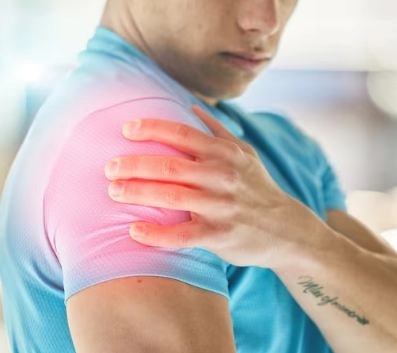
The shoulder joint is one of the most stressed and injury-prone joints in the body because it is responsible for moving the arm in almost all directions. Over time, or as a result of injuries or inflammation, the joint may suffer severe damage that causes persistent pain and limits the ability to perform daily activities.This is where shoulder replacement surgery plays an important role. The procedure involves removing the damaged part of the shoulder joint and replacing it with an artificial implant, with the goal of relieving pain and improving movement and strength. This surgery not only helps patients move more easily, but also significantly improves their overall quality of life.In this Dalili Medical article, we will discuss everything related to shoulder replacement, including the reasons for surgery, different types of shoulder replacement, surgical techniques, preoperative diagnosis, rehabilitation after surgery, medical treatment, and the most important tips to follow during the recovery period.
Shoulder replacement is a surgical procedure in which the damaged part of the shoulder joint is removed and replaced with an artificial implant (prosthesis). The main goal is to reduce pain and improve shoulder movement and function.
People with severe shoulder osteoarthritis.
Patients with a large rotator cuff tear that does not respond to physical therapy.
Individuals with major fractures or chronic shoulder injuries causing persistent pain.
In general, shoulder replacement surgery is considered safe. However, like any surgical procedure, it carries some potential risks, such as:
Infection
Blood clots
Nerve injury
Problems with the artificial implant
Choosing an experienced orthopedic surgeon significantly reduces these risks.
The procedure usually takes between 1 to 2 hours, depending on the type of replacement and the complexity of the case.
Yes, some pain is normal during the first few days after surgery. It is usually well controlled with painkillers and, in some cases, anti-inflammatory medications.
Gentle passive movement usually starts within the first week, according to the doctor’s instructions.
Active movement and strengthening exercises typically begin gradually after about 6 weeks, depending on recovery.
Light daily activities: after 4–6 weeks
Sports or heavy lifting: usually after 3–6 months, based on the doctor’s evaluation and shoulder recovery.
In most cases, pain is significantly reduced and shoulder movement improves.
Full recovery depends on muscle strength and the patient’s commitment to physical therapy and rehabilitation.
This is rare, but it may happen if the implant becomes damaged or loosens after many years.
Regular follow-up visits are important to monitor the condition of the artificial joint.
Avoid lifting heavy weights or performing aggressive shoulder movements during the first few months.
High-impact sports should be avoided until the doctor allows them.
More than 70,000 people undergo shoulder replacement surgery every year in the United States.
The head of the humerus is replaced with a metal ball made of special stainless steel, connected to a stem usually made of titanium.
The glenoid socket is replaced with a polyethylene component that mimics the natural socket.
The surgery itself usually lasts about 2 hours.
Total hospital time is longer, as it includes preoperative preparation and recovery after anesthesia.
Shoulder replacement is performed when the joint is severely damaged or when pain and disability are significant, including the following conditions:
Osteoarthritis: degeneration of the cartilage covering the joint.
Rheumatoid arthritis: chronic inflammation that damages the joint and causes persistent pain.
Goal: pain relief and improved shoulder mobility.
Fractures of the humeral head or complex fractures that cannot heal properly.
Goal: preserve shoulder function and reduce pain after fracture.
Large or chronic tears that cannot be surgically repaired.
Solution: reverse shoulder replacement is often the best option.
Failed previous surgeries or bone deterioration caused by earlier procedures.
Goal: improve movement and relieve pain.
Severe weakness in lifting the arm or performing daily activities.
Goal: restore strength and motion.
Pain that continues despite medications, physical therapy, or injections.
Goal: improve quality of life and reduce dependence on painkillers.
The type of surgery depends on joint condition, age, and activity level:
Description: Replacement of both the humeral head and the glenoid socket.
Goal: pain relief and restoration of movement.
Suitable for: advanced arthritis or complete cartilage loss.
Description: Replacement of the humeral head only, preserving the natural socket.
Goal: pain relief while conserving bone.
Suitable for: specific humeral head fractures or partial joint damage.
Description: Reverses the ball-and-socket positions—ball on the shoulder blade, socket on the humerus.
Goal: improve strength and movement in patients with rotator cuff weakness.
Suitable for: elderly patients or those with chronic rotator cuff tears.
Description: An implant designed specifically to match the patient’s anatomy.
Goal: better implant fit and improved joint function.
Suitable for: complex deformities or previous failed surgeries.
Description: A thin metal cap is placed over the humeral head without removing it completely.
Goal: preserve as much bone as possible.
Suitable for: younger patients with limited joint damage.
Procedure:
General or regional anesthesia
Surgical incision to access the joint
Removal of damaged joint surfaces
Implantation of artificial humeral head and socket
Wound closure and shoulder immobilization
Recovery: moderate daily activity after 4–6 weeks, full activity after about 3 months.
Procedure:
General or regional anesthesia
Small incision to access the humeral head
Removal of the damaged head and placement of a metal implant
Preservation of the natural socket
Recovery: light activities after 2–3 weeks, full activity after 2–3 months.
Procedure:
General anesthesia
Surgical incision to access the joint
Implantation of reversed ball-and-socket components
Secure fixation and alignment
Recovery: daily activities after 4–6 weeks, full activity after 3–4 months.
Procedure:
Detailed imaging using CT or MRI
Custom implant design
Implantation similar to total or partial replacement
Recovery: similar to total or partial replacement depending on surgery extent.
Procedure:
Small incision
Removal of only the damaged surface layer
Placement of a metal cap over the humeral head
Recovery: faster than full replacement—daily activities in 2–4 weeks, with rapid pain improvement.
Shoulder replacement surgery is generally safe, but like any surgical procedure, it carries some potential risk factors:
Elderly patients or those with chronic diseases such as diabetes, high blood pressure, heart disease, or kidney problems may have slower healing and a higher risk of complications.
Reduces blood flow to tissues and delays wound healing.
Increases the risk of infection and postoperative recovery problems.
Increases stress on the shoulder after surgery.
May slow rehabilitation and increase postoperative pain.
Weak shoulder muscles or long-standing rotator cuff damage can reduce the effectiveness of surgery, especially with traditional shoulder replacement.
Conditions such as rheumatoid arthritis, gout, or chronic joint inflammation increase the risk of postoperative complications and require close monitoring during recovery.
Prior surgeries or previous shoulder replacements may make the procedure more complex and increase the risk of complications.
Any active infection in the body before surgery increases the risk of infecting the artificial joint.
All infections must be treated before the operation.
Weak bone quality can reduce implant stability and may require additional fixation techniques during surgery.
Accurate diagnosis before shoulder replacement is essential to determine the most suitable surgical approach and necessary precautions.
Patient symptoms:
When did the pain start—suddenly or gradually?
Does pain worsen with movement or physical effort?
History of arthritis or previous shoulder injuries.
Lifestyle factors:
Sports or occupational activities affecting the shoulder.
Presence of chronic diseases such as diabetes or heart conditions.
Assessment of pain, swelling, or visible shoulder deformity.
Evaluation of shoulder range of motion and stiffness.
Testing joint stability and surrounding tissues for tears or laxity.
Detects bone problems such as osteoarthritis, fractures, or structural deformities.
Helps assess the degree of cartilage wear.
Identifies soft tissue problems such as rotator cuff tears or cartilage damage.
Provides detailed images to guide surgical planning, especially in complex cases.
Evaluates inflammation or swelling in tendons and ligaments.
Useful for detecting tears or soft tissue inflammation around the shoulder.
Blood tests: to detect infections or autoimmune diseases such as rheumatoid arthritis or gout.
Muscle function tests: to assess shoulder muscle strength and identify rotator cuff damage.
Rehabilitation is a critical step to restore shoulder movement and strength and prevent joint stiffness. It is usually performed under medical and physical therapy supervision.
Goal: reduce pain and swelling and protect the implant.
Steps:
Elevating the arm slightly to reduce swelling.
Wearing a shoulder sling as instructed.
Using pain relievers and anti-inflammatory medications as prescribed.
Avoiding strong movements or lifting weights.
Goal: prevent joint stiffness and allow safe movement.
Exercises:
Passive range-of-motion exercises performed by the therapist.
Gentle shoulder movements under supervision.
Precautions:
Avoid raising the arm above shoulder level.
Do not lift weights or place pressure on the implant.
Goal: restore muscle control and strength.
Exercises:
Active range-of-motion exercises performed independently.
Light resistance exercises using elastic bands.
Precautions:
Avoid intense sports or heavy lifting.
Commit to daily exercises to prevent stiffness.
Goal: regain full muscle strength around the shoulder.
Exercises:
Resistance training with light weights.
Balance and movement control exercises.
Outcome: improved ability to perform daily activities without pain and gradual recovery of strength and mobility.
Light activities: after about 3 months.
Moderate activities: after 4–6 months, depending on tolerance.
High-impact sports: after 6 months or according to the doctor’s evaluation.
Follow the physical therapy schedule and daily exercises strictly.
Use painkillers only when needed and under medical supervision.
Avoid movements that cause severe pain or shoulder instability.
Attend regular follow-up visits to assess joint strength and surgical success.
Reduce pain and swelling.
Prevent infection and complications.
Facilitate safe rehabilitation and exercise.
Examples: Paracetamol, Tramadol (as prescribed).
Benefit: pain control during early recovery.
Usage: take according to medical instructions, preferably after meals.
Warning: avoid excessive use without medical advice.
Examples: Ibuprofen, Naproxen, Diclofenac.
Benefit: reduce inflammation and swelling.
Usage: take after meals and follow prescribed dosage and duration.
Warning: prolonged use requires medical supervision, especially in patients with stomach, liver, or kidney issues.
Benefit: reduce the risk of blood clots after surgery.
Examples: Heparin or other blood thinners as indicated.
Warning: adhere strictly to dosage and monitor for signs of bleeding.
Benefit: prevent infection around the artificial joint, especially during and immediately after surgery.
Usage: administered according to medical recommendations, often as preventive doses.
Muscle relaxants: reduce muscle spasms around the shoulder.
Supplements: vitamin D, calcium, and omega-3 to support bone and muscle recovery.
Note: These medications support healing but do not replace proper rehabilitation and medical care.