

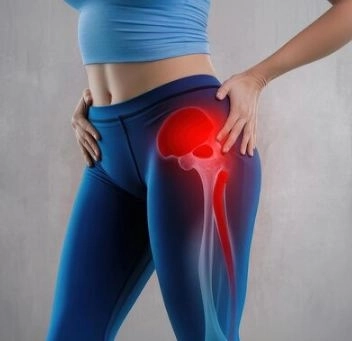
Hip pain on the side of the thigh is one of the most common pains experienced by many people, especially when walking, sleeping on the side, or even after standing for long periods. Sometimes, this pain is mistaken for a muscle strain or hip osteoarthritis, but in many cases, the real cause is trochanteric bursitis. This condition can affect daily movement and quality of life if not treated properly. The good news is that diagnosis is usually straightforward, and treatment is often simple and effective. article, we’ll discuss trochanteric bursitis in detail, including its causes, symptoms, treatment methods, and prevention tips.
❓ What is Trochanteric Bursitis?
Trochanteric bursitis is the inflammation of a small fluid-filled sac called a bursa, located next to the greater trochanter of the femur near the hip joint. The bursa’s role is to reduce friction between bones, muscles, and tendons during movement. When inflamed, it causes pain on the side of the hip, which may worsen with walking or lying on the affected side.
❓ What is the difference between Trochanteric Bursitis and Morton’s Neuroma?
Although the pain may sometimes seem similar, the two conditions are completely different:
Trochanteric Bursitis:
Localized pain on the side of the hip
May include swelling or tenderness to touch
Pain increases with walking or lying on the affected hip
Morton’s Neuroma:
Burning pain or tingling between the toes
Sensation of a foreign object inside the shoe
Pain worsens with tight shoes or high heels
A doctor is the best person to differentiate the two conditions through clinical examination and necessary tests.
❓ Is it better to use heat or cold for Trochanteric Bursitis?
Cold packs are preferred during the acute inflammation phase as they help reduce pain and swelling. Apply an ice pack for 15–20 minutes several times a day.
❓ Are corticosteroid injections used to treat Trochanteric Bursitis?
Yes, corticosteroid injections may be used in cases that do not respond to conservative treatment. They help reduce inflammation and relieve pain and are usually administered under ultrasound guidance for accuracy and safety.
❓ Which conditions can be confused with Trochanteric Bursitis?
Symptoms of trochanteric bursitis can sometimes mimic other conditions, such as:
Lumbar disc herniation
Hip joint inflammation
Iliotibial (IT) band syndrome
Piriformis syndrome
❓ Who is most at risk of developing Trochanteric Bursitis?
Women after middle age
Runners and athletes
People with weak hip muscles or abnormal gait
❓ Does Trochanteric Bursitis pain get worse at night?
Yes, pain may worsen at night, especially when lying on the affected hip. Sleeping on your back or placing a pillow between the knees is recommended to reduce pressure on the hip.
❓ Is Trochanteric Bursitis dangerous?
Usually, it is not dangerous, but it can cause significant discomfort and affect walking and daily activities if not treated in time.
❓ How long does it take to recover from Trochanteric Bursitis?
Mild cases: 2–4 weeks with rest and conservative treatment
Moderate cases: 4–6 weeks
Chronic cases: May require longer, with consistent adherence to treatment
❓ Can high heels cause Trochanteric Bursitis?
Yes ❌
High heels and tight shoes increase pressure and friction on the hip joint, raising the risk of bursitis.
❓ Can Trochanteric Bursitis recur?
Yes, especially if:
Tight or unsuitable shoes are worn regularly
The underlying cause of inflammation is not treated
Following preventive measures and medical advice greatly reduces the risk of recurrence.
❓ When should you see a doctor?
Consult a doctor immediately if:
Pain persists or worsens
There is noticeable swelling or redness
Walking or daily activities are difficult
Symptoms do not improve with rest and shoe changes
❓ Is Trochanteric Bursitis linked to other diseases?
Sometimes, it may be associated with:
Rheumatoid arthritis
Gout
Foot deformities
Medical evaluation is important to determine the exact cause.
❓ Is walking allowed with Trochanteric Bursitis?
Yes, within limits:
Light walking with comfortable shoes is fine
Avoid prolonged standing or activities that increase hip pressure
Stop any activity that causes severe pain immediately
❓ Causes of Trochanteric Bursitis
The trochanteric bursa is a small fluid-filled sac located around joints to reduce friction between bones, tendons, and muscles. When it becomes inflamed, pain and swelling appear. The main causes usually include:
1️⃣ Continuous friction and pressure
Prolonged standing, repetitive walking, or running
Tight or pointed shoes that press on the front of the foot or heel
2️⃣ Direct injuries
Bruises or trauma near the hip or foot joint
Foot sprains or falls can irritate the bursa
3️⃣ Foot deformities or problems
Flat feet or high arches alter weight distribution on the joints
Differences in toe length or joint deformities increase pressure on the bursa
4️⃣ High-impact sports
Sports like soccer, tennis, weightlifting, or long-distance running
Any activity that applies continuous stress on the joint can trigger bursitis
5️⃣ Chronic diseases or medical conditions
Rheumatoid arthritis, gout, or thyroid disorders
Any disease causing tissue swelling or joint inflammation may lead to bursitis
6️⃣ Infections (rare)
In rare cases, the bursa can get infected, especially if there is a nearby wound
❓ Symptoms of Trochanteric Bursitis
1️⃣ Pain at the front or side of the foot
Sharp or burning pain around the joint
Pain increases with walking, standing for long periods, or pressing on the area
2️⃣ Swelling or lumps
Small visible swelling on the affected joint, soft or slightly firm depending on inflammation
3️⃣ Redness or warmth
Skin around the bursa may appear red and feel warm, especially in acute cases
4️⃣ Difficulty or pain with movement
Pain limits foot or toe movement, sometimes with stiffness
5️⃣ Tenderness to touch
Pressing on the bursa increases pain, sometimes with mild tingling or numbness
6️⃣ Worsening symptoms with tight shoes or high heels
Pressure on the joint increases pain and swelling
Wide shoes or walking barefoot may temporarily relieve pain
❓ Types of Trochanteric Bursitis
1️⃣ Acute Bursitis
Sudden onset after injury or trauma
Symptoms: severe pain, swelling, redness
Usually responds quickly to conservative treatment (rest, medications)
2️⃣ Chronic Bursitis
Gradual onset from continuous pressure or friction
Symptoms: persistent mild to moderate pain, minor swelling, stiffness
May require longer treatment or surgery if conservative measures fail
3️⃣ Septic (Infectious) Bursitis
Caused by bacterial infection
Symptoms: severe swelling, redness, warmth, pain, sometimes fever
Requires antibiotics and sometimes surgical drainage
4️⃣ Bursitis associated with chronic disease
Linked to rheumatoid arthritis, gout, or thyroid issues
Symptoms: intermittent or persistent pain/swelling, sometimes multiple bursae affected
5️⃣ Bursitis from deformities or mechanical pressure
Caused by flat feet, high arches, tight shoes, or high heels
Symptoms: pain with walking or standing, burning or tingling sensation, worsens with pressure
❓ Diagnosis of Trochanteric Bursitis
1️⃣ Medical history
Onset and location of pain (sudden or gradual)
Pain triggered by walking, standing, or tight shoes
Previous injuries or high-impact sports
Chronic diseases like rheumatoid arthritis or gout
2️⃣ Clinical examination
Pain upon pressing the affected area indicates bursitis
Check for swelling, redness, or warmth
Assess joint mobility and stiffness
Observe gait and effect of pain on walking
3️⃣ X-rays
Do not show the bursa itself
Used to rule out fractures, bone deformities, or joint degeneration
4️⃣ Ultrasound
Best imaging for bursitis diagnosis
Detects fluid in the bursa, wall thickness, and inflammation
5️⃣ MRI
Used in chronic or unclear cases
Shows size of inflamed bursa and surrounding tendons/tissues
Rules out other problems like tendon tears
6️⃣ Fluid analysis (rare cases)
Done if infection is suspected
Sample taken to detect bacteria or gout crystals
❓ Pain distribution in Trochanteric Bursitis
1️⃣ Front of the foot – near the toe joint, worsens with walking or standing
2️⃣ Side of the affected joint – inner or outer side, sometimes visible swelling
3️⃣ Bottom of the foot – under the joint during pressure, burning or pressing sensation
4️⃣ Around the joint – sometimes accompanied by heat or tension
5️⃣ During movement or pressure – worsens with walking, bending the toe, tight shoes, or high heels; eases with rest
❓ Types of Surgery for Trochanteric Bursitis
1️⃣ Bursectomy (removal of inflamed bursa)
Small surgical incision → remove bursa → preserve tendons/joint → close wound
Used for chronic cases or failed conservative treatment
Recovery: cautious walking after 2–3 weeks, full recovery 4–6 weeks
2️⃣ Endoscopic Bursectomy
Minimally invasive with small incision and tools
Pros: smaller wound, less pain, faster recovery
Cons: not suitable for all cases, requires skilled surgeon
Recovery: light activity 1–2 weeks, nearly full 3–4 weeks
3️⃣ Debridement
Remove inflamed or calcified tissue while partially preserving bursa
Used in moderate inflammation or fibrosis/calcification
Recovery: 2–4 weeks
4️⃣ Surgical drainage
Rare, for septic bursitis or fluid accumulation
Steps: open bursa → drain fluid → clean area → antibiotics
Close medical follow-up needed
5️⃣ Corrective surgery for associated deformities
Not for the bursa itself but for underlying cause: joint deformity, bone spur, or toe deviation
Goal: reduce pressure and prevent recurrence
❓ Which surgery is best?
Depends on:
Severity and duration of inflammation
Presence of infection or deformity
General health of the patient
Surgeon’s experience
❓ Medication Treatment for Trochanteric Bursitis
Purpose: relieve pain, reduce inflammation/swelling, improve mobility
1️⃣ Painkillers & NSAIDs (Ibuprofen, Naproxen, Diclofenac)
Reduce pain while walking or standing
Decrease inflammation inside the bursa
Taken after meals, as prescribed
⚠️ Avoid long-term use without medical advice; caution in stomach, liver, kidney, or heart problems
2️⃣ Topical creams/ointments (Voltaren gel, Reparil gel)
Direct pain relief at site
Less systemic side effects
Apply with light massage 2–3 times daily
3️⃣ Corticosteroid injections
For severe pain or chronic inflammation unresponsive to oral medications
Injected around the bursa by a specialist
⚠️ Excessive use may weaken tissues; repeat only under medical supervision
4️⃣ Antibiotics (special cases)
Only if infection is present (redness, warmth, fever, pus)
Taken under medical supervision based on test results
5️⃣ Supportive medications & supplements
Muscle relaxants if muscle spasm is present
Supplements for nerves/bone support: vitamin B, omega-3, calcium + vitamin D
⚠️ Supplements are supportive, not primary treatment
????️♀️ Exercise Therapy for Trochanteric Bursitis
✅ 1. Stretching Exercises – reduce bursa stress and relieve pain:
Hip external rotation stretch: stand, cross affected leg behind the other, lean toward healthy side, hold 20–30 sec × 3
IT band stretch: lie on back, pull affected leg across the body, feel gentle stretch, repeat 3 times
✅ 2. Strengthening Exercises – strengthen hip muscles to reduce bursa pressure:
Side leg raise: lie on healthy side, slowly lift affected leg up, 10–15 reps × 3 sets
Bridge exercise: lie on back, knees bent, lift hips until body straight, hold 5 sec, repeat 10 times
✅ 3. Balance Exercises – improve hip stability during walking:
Single-leg stance: stand on affected leg, hold 20–30 sec, gradually increase time
⚠️ Exercise tips:
Stop immediately if pain is severe
Avoid exercises during acute inflammation
Avoid running/jumping initially
Daily consistency is more important than intensity
❓ Prevention Tips for Trochanteric Bursitis
1️⃣ Choose proper footwear – wide, comfortable shoes, avoid tight/pointed shoes and high heels
2️⃣ Use inserts or orthotics – silicone pads or custom insoles reduce joint pressure; toe cushions prevent direct friction on the bursa
3️⃣ Reduce repetitive pressure – take breaks if standing/walking for long periods
4️⃣ Foot care during exercise – wear sport-appropriate shoes, warm-up/stretch before and after activity, avoid high-impact exercises initially
5️⃣ Maintain healthy weight – reduces pressure on joints and bursa
6️⃣ Treat foot problems early – flat or high-arched feet need proper support, monitor recurring pain or swelling
7️⃣ Prevent direct injuries – protect feet from trauma, use protective gear if needed