

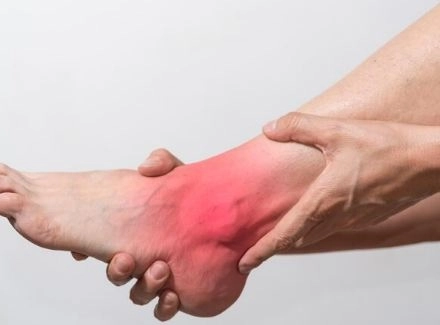
Many of us may experience a strange pain in the front of the foot, especially between the toes, as if there is a small stone pressing under the foot. If this pain increases with walking or standing for long periods, the cause might be Morton’s neuroma. This is a common condition that affects the nerves between the toes, causing pain, tingling, or a burning sensation, and sometimes mild swelling.In this Dalily Medical article, we will discuss the causes of Morton’s neuroma, its symptoms, diagnostic methods, treatment options including medications and exercises, as well as surgery if necessary. We will also provide tips to prevent pain and improve foot movement. The goal is to help you understand your condition and know how to manage it before it progresses to more severe stages.
Morton’s neuroma is a condition involving thickening or irritation of one of the nerves between the toes, most commonly between the third and fourth toes. It causes symptoms such as pain, tingling, or a burning sensation in the ball of the foot.
Women more than men, especially those who wear high heels.
People who walk or stand for long periods regularly.
Athletes and dancers whose feet are exposed to constant pressure.
Not in all cases. Early treatment with exercises, comfortable footwear, or medications can reduce pain and prevent the condition from worsening.
No. Most cases improve with conservative treatments such as medications, orthopedic shoes, or corticosteroid injections. Surgery is considered only for severe cases or when conservative treatments fail.
Yes. Tight shoes or high heels can compress the nerves again, so comfortable footwear is recommended after treatment.
Usually 4–8 weeks for noticeable improvement, sometimes 2–3 months for full recovery depending on adherence to treatment and preventive measures.
Some sports that put pressure on the front of the foot, like running or jumping, can increase pain. It’s better to modify activities or use supportive foot pads.
If left untreated for a long time, it may cause persistent weakness or numbness. Early treatment protects the foot and minimizes permanent weakness.
It usually affects one foot, but sometimes it can appear in the other foot, especially if shared risk factors exist, such as tight shoes or excess weight.
Yes. Activities that put weight on the ball of the foot for long periods can worsen pain, tingling, or burning sensations, especially with tight shoes or high heels.
Yes. Supportive insoles or cushioned toe pads reduce pressure on the nerve, easing pain and improving walking.
In very mild cases, rest and changing footwear can temporarily relieve pain. However, most cases require conservative treatment or medical intervention to prevent worsening.
Sports that put excessive pressure on the forefoot, like running or jumping, may worsen symptoms. Low-impact alternatives such as swimming or cycling are recommended.
They can temporarily relieve pain but are not a permanent solution. They must be administered under medical supervision to avoid weakening surrounding nerves or tendons.
Surgery is usually considered a last resort after conservative treatments fail. Success rates are high, but postoperative physiotherapy is essential to strengthen the foot and reduce recurrence.
Yes. Extra weight increases pressure on the forefoot, increasing the likelihood of symptoms.
Yes, especially if the patient returns to tight footwear or previous habits. Following advice, wearing appropriate shoes, and foot-strengthening exercises significantly reduce recurrence.
Very rarely. Most cases affect adults, especially women who wear tight or high-heeled shoes.
Wearing tight or high-heeled shoes
High heels put pressure on the forefoot.
Tight or pointed shoes reduce toe space and compress nerves.
Repetitive movements or sports activities
Long-distance running or sports like soccer, tennis, weightlifting.
Continuous pressure irritates the nerve and surrounding tissues.
Foot deformities
Flat feet or high arches alter weight distribution.
Differences in toe length or foot shape can increase nerve pressure.
Direct injuries or trauma
Bruises or trauma to the forefoot.
Sprains or falls can cause nerve inflammation.
Chronic illnesses or health issues
Rheumatoid arthritis or thyroid problems.
Any condition causing tissue swelling around the nerve can trigger neuroma formation.
Continuous nerve pressure due to weight
Obesity or excess weight constantly stresses the forefoot.
Pregnancy or prolonged standing can irritate the nerve.
Pain in the forefoot
Sharp pain or burning sensation between the toes, usually between the third and fourth toes.
Pain worsens with walking or prolonged standing, especially in tight shoes or high heels.
Numbness or tingling
Tingling or numbness in the front toes.
Sometimes the toes feel “asleep” or overly sensitive.
Feeling of a foreign object in the foot
Some feel as if a small stone or ball is under the forefoot.
The sensation may lessen when weight is off the forefoot or the foot is barefoot.
Pain when pressing on the foot
Touching or pressing between the toes increases pain.
Sometimes mild swelling or warmth appears.
Symptoms worsen with tight shoes
Pointed shoes or high heels increase pain.
Wide shoes or barefoot walking may temporarily relieve discomfort.
Difficulty walking for long periods
Persistent pain causes patients to shift weight on the foot differently.
Gait may change to avoid pressure on the painful area.
Between the third and fourth toes (most common)
Accounts for 70–80% of cases.
Located under the forefoot arch between the third and fourth toes.
Symptoms: severe pain, numbness, tingling.
Between the second and third toes
Less common.
Similar symptoms, especially when pressing or walking.
Harder to diagnose due to lower prevalence.
Between the first and second toes
Very rare.
Symptoms: pain at the base of the big toe or small toe, tingling, or burning.
Multiple neuromas
More than one neuroma in the same foot or both feet.
More complex symptoms: continuous pain, numbness, gait changes.
Chronic or enlarged neuroma
Develops after prolonged pressure on the nerves.
Larger size and more severe symptoms: persistent pain, ongoing numbness, difficulty walking long distances.
Diagnosis is based on clinical examination, medical imaging, and sometimes nerve tests.
Clinical Examination
Doctor asks about pain history: onset, location, worsens with walking or tight shoes.
Exam includes:
Pressing between toes: pain or tingling indicates neuroma.
Mulder’s Sign: squeezing toes with pressure on the forefoot; a “click” or pain suggests neuroma.
Observing walking pattern to assess impact on gait.
Medical Imaging
a) X-ray
Doesn’t detect the neuroma but rules out other problems like small fractures or bone deformities, arthritis.
b) Ultrasound
Detects neuroma, its size, and exact location.
Shows any calcification or inflammation around it.
c) MRI
More precise for large or chronic neuromas and their effect on surrounding nerves.
Additional Nerve Tests
Sometimes EMG (Electromyography) or Nerve Conduction Study is done:
To check if the nerve is compressed.
To evaluate nerve strength and function before treatment.
If left untreated, Morton’s neuroma can lead to complications. Additionally, each treatment method carries its own risks:
Chronic pain: Pain increases with walking or prolonged standing.
Numbness or tingling: Pins-and-needles sensations in the affected toes.
Muscle weakness: Reduced ability of the toes to grip or maintain balance.
Altered gait: To avoid pain, the person may walk abnormally → may cause knee or hip problems.
Corticosteroid injections: Frequent use may weaken or tear the nerve.
Anti-inflammatory medications (NSAIDs): Long-term use may harm the stomach, liver, or kidneys.
Orthotics and shoes: Usually safe, but improper fit may cause friction or blisters.
A) Open Surgery (Neurectomy)
Pain or swelling after the procedure
Infection at the incision site
Noticeable scar
Possible permanent numbness or loss of sensation in nearby toes
Rarely, surgery may need to be repeated if the nerve recurs or new fibers develop
B) Endoscopic Surgery
Less postoperative pain and smaller scar
May be less effective in large or chronic cases
Risk of injury to surrounding nerves or tendons if the surgeon is inexperienced
C) Nerve / Tendon Debridement
Temporary pain after surgery
Inflammation or swelling
Possible mild loss of sensation in the toes
Treatment depends on severity of symptoms, size of the neuroma, and patient response to conservative therapy, and is generally divided into:
A) Shoe and Orthotic Changes
Wear wide-toe shoes to reduce pressure on the nerve.
Rubber or custom insoles to distribute weight and reduce friction.
B) Medications
Pain relievers & anti-inflammatories: e.g., Ibuprofen, Naproxen to reduce pain and swelling.
Corticosteroid injections: Reduce inflammation around the nerve, used cautiously to avoid nerve weakening.
C) Foot Exercises & Stretching
Exercises to relieve pressure between toes and strengthen surrounding muscles.
Massage the forefoot arch to increase flexibility and reduce pain.
Goal: Remove the enlarged nerve or neuroma entirely.
Procedure:
Local or general anesthesia depending on the case
Small incision on the top of the foot or between toes
Expose the affected nerve and remove it while preserving surrounding tissue
Close the wound and apply dressing or splint to immobilize the foot
Indications:
Failed conservative treatment
Severe pain affecting walking or daily life
Recovery:
4–6 weeks for daily activity
2–3 months for full activity
Goal: Remove the neuroma with minimal surgical intervention.
Procedure:
Two small incisions on the foot
Insert a small endoscope and surgical tools to remove the neuroma
Advantages:
Small incision, less pain, faster recovery (usually 2–4 weeks for normal activity)
Disadvantages:
Not suitable for all cases
Requires highly skilled surgeon
Goal: Remove inflamed or calcified tissue around the nerve while preserving its function.
Procedure:
Small incision on top of the foot
Clean the area around the neuroma
Indications:
Chronic inflammation or damaged tissue around the nerve
Note: Surgical choice depends on neuroma size, pain severity, nerve and tissue condition, and surgeon experience.
Goal: Reduce pain, inflammation around the nerve, and improve daily foot function.
Painkillers & Anti-inflammatories (NSAIDs)
Examples: Ibuprofen, Naproxen, Diclofenac
Purpose: Reduce pain (especially while walking or standing) and inflammation around the nerve
Usage: Usually after meals, per doctor’s prescription
Caution: Avoid long-term use without supervision; careful with stomach, liver, or kidney issues
Topical Creams / Gels
Examples: Voltaren gel, Reparil gel
Purpose: Direct pain relief in the affected area
Usage: Apply gently to the neuroma 2–3 times daily
Corticosteroid Injections
Purpose: Rapid relief of chronic or severe inflammation and pain
Procedure: Injection around the affected nerve, often under ultrasound guidance
Caution: Excess may weaken the nerve or surrounding tissues; follow-up is essential
Muscle Relaxants
Used for severe tightness in foot or calf muscles to reduce nerve pressure
Examples: Baclofen or Tizanil (as prescribed)
Supportive Supplements
Help maintain nerve and bone health, reduce inflammation, but are not direct treatment
Choose proper footwear
Avoid high heels or tight toe shoes
Wide-toe shoes reduce nerve pressure
Adjust daily activities
Reduce prolonged standing or running
Take frequent breaks when walking or standing
Protect the foot during exercises
Use pads or cushioning to reduce nerve friction
Avoid heavy lifting or impact sports
See a doctor early
Severe pain, tingling, or numbness in toes requires early evaluation to prevent worsening
Rest and elevate the foot
Important after surgery or corticosteroid injection
Elevation reduces swelling and aids recovery
Use orthotics or foot supports
Arch support or toe pads reduce nerve pressure
Can be used daily or during long activities
Physical therapy & foot exercises
Strengthen foot muscles, relieve nerve pressure
Stretch the ligament between toes to reduce pain and stiffness
Avoid tight shoes and high heels
Continue wearing comfortable, wide-toe shoes
Cushioned athletic shoes help distribute weight
Monitor symptoms
Any sudden increase in pain, numbness, or tingling should be evaluated promptly
Gradual return to activity
Start with walking and light activities before high-impact sports
Nutrition and general support
Maintain a healthy weight to reduce foot pressure
Support nerves with Vitamin B, Omega-3, and calcium
After conservative treatment (medications, orthotics, exercises):
Pain & tingling in the first 2 weeks: usually gradually decreases
Significant improvement: 4–6 weeks
Return to normal activity & light sports: 6–8 weeks
Full recovery: 2–3 months with adherence to exercises and foot support
✅ Most cases improve without surgery if conservative treatment is followed
After corticosteroid injection:
Pain relief: within 2 days to 1 week
Return to light activity: 1–2 weeks
Intensive activity or sports: 3–4 weeks
⚠️ Sometimes repeat injections may be needed if pain persists
After surgery:
Initial rest: 1–2 weeks (foot elevation, reduced movement)
Walking with medical shoe or splint: 2–4 weeks (depending on surgery type)
Moderate daily activities: 4–6 weeks
Return to sports or heavy activities: usually 2–3 months, up to 4 months in complex cases or after direct nerve repair