

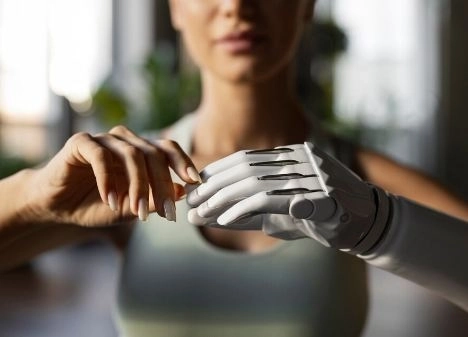
In our daily lives, our hands and fingers are the most relied-upon parts of our bodies, from gripping small objects to performing everyday tasks. However, after injuries, strokes, or issues with nerves and muscles, the hand may lose some of its strength and natural movement, affecting our independence and quality of life. This is where the robotic hand rehabilitation device comes into play—a modern technology designed specifically to restore movement, strengthen muscles, and stimulate neural coordination between the brain and the hand.With this device, patients can gradually regain hand and finger flexibility, perform daily activities with confidence, and recover in a safe and effective way. In this article by Daliy Medical, we will explore the types of robotic hand devices, how to use them, their benefits, potential drawbacks, and the best tips for achieving faster results. Whether you're looking for post-stroke therapy or recovery from a hand injury, you'll find all the information you need here in a clear and comprehensive manner.
1️⃣ What is the Robotic Hand Rehabilitation Device?
Answer:
An innovative medical device designed to move the hand and fingers precisely and repetitively after injuries or nerve and muscle issues, such as strokes or muscle weakness after accidents.
Benefits of Using It:
Restores natural movement of the hand and fingers.
Strengthens hand muscles and improves the ability to grip objects.
Enhances neural coordination between the brain and the hand to facilitate daily tasks.
2️⃣ Is the Robotic Hand Device Safe?
Answer:
Yes, the device is completely safe when used under the supervision of a physical therapist or treating doctor.
However, caution should be exercised when:
Using high resistance, which may cause muscle strain.
Overusing it for long sessions.
Using it on fresh injuries or unhealed post-surgery wounds or fractures.
3️⃣ How Often Should the Device Be Used?
Answer:
The frequency of sessions depends on the condition of the hand and muscle strength.
It is generally recommended 3-5 times a week initially, with each session lasting 10 to 30 minutes.
The session duration or frequency can be gradually increased as the hand's strength and movement improve.
4️⃣ Can the Robotic Hand Device Be Used at Home?
Answer:
Yes, some flexible devices or robotic gloves are suitable for home use, following a treatment program prescribed by the therapist.
Larger devices, like Exoskeletons or Upper-limb systems, are usually used in hospitals or rehabilitation centers.
5️⃣ Is Using the Device Painful?
Answer:
Typically, the device causes mild stretching or fatigue in the hand and fingers, which is normal during rehabilitation sessions.
Sharp pain, swelling, or persistent numbness are abnormal signs, and the session should be stopped immediately, followed by consulting the therapist.
7️⃣ Does the Robotic Hand Device Replace Manual Physical Therapy?
Answer:
No, the device does not replace manual therapy but complements it effectively.
Functions during exercise:
Increases the frequency of precise movements for the fingers and hand.
Supports muscles and joints during exercise.
Speeds up recovery when combined with traditional hand therapy exercises.
8️⃣ Can the Device Be Used for All Hand Injuries?
Answer:
Most hand and finger injuries can benefit from the device, such as:
Stroke or brain attacks.
Nerve or muscle injuries.
Joint stiffness or muscle weakness after injuries.
However, it should not be used in cases of:
Fresh fractures.
Severe infections or skin ulcers.
Severe circulatory issues, unless advised by a doctor.
9️⃣ Are There Different Types of Robotic Hand Devices?
Answer:
Yes, each type is designed for specific uses based on the hand's strength and the patient's condition:
Robotic Gloves: Suitable for home use and interactive sessions.
Exoskeletons: Precise and strong exercises for muscles and joints.
VR + Robotics: Brain stimulation and participation in educational games to increase movement and coordination.
Upper-limb Systems: Full rehabilitation for the arm and hand.
Soft Robotic Systems: Long and light exercises, safe for continuous use.
???? How Do I Monitor Hand Progress During Rehabilitation?
Answer:
Measure the finger movements (extension and flexion).
Assess grip strength and the hand's ability to hold objects.
Track performance in daily activities like writing, eating, or dressing.
Record progress weekly to adjust resistance levels or exercise programs based on muscle improvement.
11️⃣ Can the Device Be Used Immediately After a Stroke?
Answer:
It is recommended to wait until the doctor or physical therapist determines the hand's stability and the healing of muscles and nerves.
In some cases, light and passive exercises can be started to gradually stimulate movement without straining the hand.
12️⃣ Is the Device Suitable for Children?
Answer:
Yes, some devices, like flexible gloves, are suitable for children after consulting with a doctor.
The device’s size and resistance are adjusted according to the child's hand size and muscle strength to ensure safety and effective exercise.
13️⃣ Can the Device Be Used After Surgery?
Answer:
It depends on the type of surgery and recovery time.
Usually, after stitches are removed and initial tissue healing occurs, light sessions can begin under medical supervision.
14️⃣ How Often Should Sessions Be Practiced?
Answer:
It depends on hand strength and muscle condition.
Typically, each session lasts 10-30 minutes, 1-2 times per day, as per the therapist's recommendation.
Sessions can be broken into shorter intervals to avoid hand fatigue.
15️⃣ Does the Device Help Prevent Joint Stiffness?
Answer:
Yes, regular use helps maintain joint flexibility and reduces stiffness.
It is important to combine it with natural hand exercises for optimal results.
16️⃣ Do I Need Assistance While Using the Device?
Answer:
Initially, it's preferred to have a specialist or trained person to monitor hand positioning and device adjustments.
With continuous practice, some devices can be used independently at home.
17️⃣ Can the Device Be Used During Daily Activities?
Answer:
Typically, the device is used only for therapy sessions, not during daily tasks.
However, some flexible devices can be worn for short periods, avoiding strain or heavy movements.
18️⃣ How Should I Deal With Fatigue or Pain After a Session?
Answer:
Mild fatigue or discomfort is normal after exercises.
Warm or cold compresses can be used, as recommended by the therapist.
Stop immediately if there is severe pain, swelling, or numbness.
19️⃣ Does the Device Fully Restore Hand Strength?
Answer:
It helps restore movement and muscle strength gradually, but it is part of a comprehensive program that includes:
Manual physical therapy.
Daily hand strengthening exercises.
Daily activities to stimulate muscles.
20️⃣ Is There a Difference Between Home and Hospital Devices?
Answer:
Hospital devices are usually more powerful, offering more precise control, but they are larger and more expensive.
Home devices are lighter and more flexible, suitable for daily exercises, but less powerful.
Choosing the right device depends on the hand's condition, the severity of the injury, and the patient’s budget.
The robotic hand rehabilitation device is a cutting-edge technology that helps restore hand and finger mobility after injuries, strokes, or muscle and nerve issues. It's designed to gradually improve muscle control, promote coordination between the brain and hand, and strengthen hand muscles. Here's an overview in English:
It is a medical device designed to move the hand and fingers accurately and repetitively after injuries or nerve and muscle issues such as strokes or muscle weakness following accidents.
Benefits of Using It:
Restores natural hand and finger movement.
Strengthens hand muscles and improves grip ability.
Enhances the neural coordination between the brain and hand, facilitating daily tasks.
Yes, the device is completely safe when used under the supervision of a physical therapist or treating physician. However, caution should be exercised when:
Using high resistance, which may cause muscle strain.
Overusing it in daily sessions for long durations.
Using it on newly injured or unhealed body parts after surgery or fractures.
The frequency of sessions depends on the hand's condition and muscle strength. Typically, it's recommended to use it 3-5 times a week, with each session lasting 10 to 30 minutes. The session length and repetitions can increase gradually as the hand's strength and movement improve.
Yes, some flexible devices or robotic gloves are suitable for home use, following the customized treatment program prescribed by the specialist. Larger devices, such as Exoskeletons or Upper-limb systems, are mostly used in hospitals or rehabilitation centers.
The device generally causes a mild feeling of stretch or fatigue in the hand and fingers, which is normal during rehabilitation sessions. However, sharp pain, swelling, or persistent numbness are abnormal signs and should be addressed immediately by a specialist.
No, the device complements manual therapy. It increases the frequency of precise finger and hand movements, supports muscles and joints during exercise, and accelerates recovery when combined with traditional hand therapy.
Most hand and finger injuries can benefit from the device, such as:
Stroke or cerebral infarctions.
Nerve or muscle injuries.
Joint stiffness or muscle weakness post-injury.
However, it is advised not to use it for:
Recent fractures.
Acute infections or skin ulcers.
Severe circulation issues without consulting a doctor.
Yes, each type serves a specific purpose depending on the hand's condition and the patient's situation:
Robotic Gloves: Suitable for home use and interactive sessions.
Exoskeletons: Provide precise training for small joints and grips, used mostly in hospitals.
VR + Robotics: Combines robotic therapy with virtual reality to enhance brain interaction and movement coordination.
Upper-limb Robotic Systems: For comprehensive arm rehabilitation, including hand.
Soft Robotic Systems: Gentle, air-driven devices suitable for long-term use in both hospitals and at home.
Robotic Gloves: Wear the gloves, adjust the size and program (passive/active/interactive), and start with short sessions.
Exoskeletons: Secure the device on the hand and wrist, adjust the motors, and select the type of exercise.
VR + Robotics: Wear the device, turn on the program, and follow on-screen instructions.
Upper-Limb Systems: Attach the device on the arm and wrist, select individual or full-arm exercises.
Soft Robotic Systems: Wear the device, adjust air pressure, and follow the training program.
Muscle and Joint Strain:
Avoid high resistance and long sessions without breaks.
Start with light exercises and gradually increase resistance.
Skin Irritation:
Choose soft, breathable materials.
Regularly clean the device.
Nerve Strain:
Start with low resistance and gradually increase.
Stop immediately if you feel pain or numbness.
Psychological Dependency:
Combine robotic therapy with manual exercises to avoid muscle weakness or limited self-learning.
Special Medical Conditions:
Consult a doctor before use if you have conditions like diabetes, poor circulation, or recent fractures.