
Hernias are a common health issue that can cause pain and discomfort during movement, affecting men, women, and in some cases, even children. A quick and safe solution to relieve pain and support the hernia area is a hernia belt or a double hernia pad.These devices not only help reduce pain, but they also protect the surrounding muscles and temporarily prevent the hernia from worsening until medical intervention or surgery is needed.In this Daleeli Medical article, we will cover everything important about hernia belts and double hernia pads: types, proper usage, benefits, potential risks, essential tips, and answers to all the frequently asked questions you might have.
❌ No. A hernia belt is considered a temporary support to relieve pain and stabilize the hernia area. It does not replace surgery, especially if the hernia is large or worsening.
It should be worn according to a doctor’s advice or daily needs.
Recommended during daily activities or light to moderate exercise.
Should preferably be removed during sleep or long rest periods to avoid excessive pressure on the skin and muscles.
✔ Yes, with care:
Choose the correct size for the child’s age.
Supervise to ensure it does not restrict breathing or movement.
Regularly monitor the child to prevent complications.
✔ Yes, during daily activities or light exercise for additional support.
❌ Not recommended for intense sports or heavy lifting without proper adjustment.
Continuous wear without breaks may cause:
Pain or reduced circulation around the hernia.
Skin irritation or redness.
Weakening of surrounding muscles if relied on without supportive exercises.
The belt should cover the hernia fully and apply gentle pressure.
Not too tight to restrict breathing, and not too loose to lose effectiveness.
Correct sizing ensures comfort and proper support.
✔ Yes, most belts are washable:
Use warm water and mild soap.
Dry away from direct sunlight to avoid material damage.
Do not share the belt to prevent infection or skin allergies.
✔ Yes. The belt or double pad supports the hernia area post-surgery by:
Reducing pressure on the wound
Supporting muscles during recovery
Relieving pain and preventing temporary worsening
✔ Yes. Use an adjustable double belt to cover all hernia areas, protecting against pain and reducing the risk of worsening.
???? Consult a doctor if you notice:
Severe pain or sudden swelling
Skin discoloration (bluish or very red)
Increased protrusion or worsening of the hernia
Numbness or muscle weakness caused by the belt
❌ No. Continuous wear may cause:
Weakening of muscles around the hernia
Skin irritation or redness
Pain or excessive abdominal pressure
✔ It is recommended to remove it during sleep or short rest periods to protect muscles and skin.
✔ The belt helps temporarily reduce hernia progression by supporting muscles.
❌ It does not prevent the hernia permanently, especially if it is large or requires surgery.
✔ Yes, designs differ to fit body shapes:
Female versions are often curved to better cover the abdomen.
Male versions are designed to stabilize the inguinal area directly.
❌ Generally, consult a doctor before using any belt during pregnancy, as abdominal pressure may affect the uterus or fetus.
✔ Yes, but thin or concealable belts are recommended to remain comfortable and effective.
Replace the belt if you notice:
Damage to the belt or pad
Loss of elasticity or pressure
Continuous skin irritation
✔ Regular replacement maintains effectiveness and safety.
✔ Yes, it helps support the hernia and reduce pain during travel.
Take short breaks to move and improve circulation.
❌ Not recommended for infants unless medically evaluated and under direct supervision.
✔ Yes. Some belts or double pads help:
Protect the wound
Support muscles during recovery
Relieve pain
❌ Always follow the doctor’s instructions regarding duration and method of use post-surgery.
❌ No. The belt reduces discomfort but does not remove pain entirely.
✔ Best results are achieved with core strengthening exercises and regular medical follow-up.
A hernia occurs when an internal organ pushes through a weak spot in the abdominal wall.
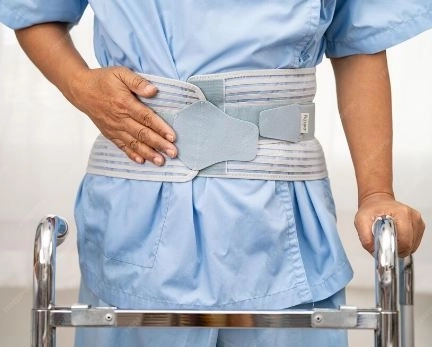
One of the most common ways to manage a hernia before or after surgery, or while waiting for an operation, is to use a hernia belt or double hernia pad.
These pads provide comfortable support for the muscles and abdominal wall, relieve hernia symptoms, and allow relatively normal daily activities.
1️⃣ Stabilizes and supports the hernia area
Gently presses on the hernia to prevent tissue protrusion
Reduces discomfort during movement, coughing, or lifting
Useful for inguinal, umbilical hernias, or post-surgery
2️⃣ Reduces pain and discomfort
Light and even pressure decreases friction between tissues
Temporarily prevents hernia enlargement
Makes daily activities more manageable
3️⃣ Post-surgery support
Reduces pressure on the wound for better healing
Reduces the need for strict rest or limited movement
4️⃣ Prevents hernia worsening during daily activities
Distributes pressure during lifting, bending, or walking
Reduces risk of double hernias or complications
5️⃣ Comfortable and easy to use
Designed to be worn under clothing comfortably
Flexible materials allow natural movement
Easy to clean and reusable
6️⃣ Suitable for men, women, and seniors
Adjustable to fit various body sizes
Reduces physical strain for elderly users and provides extra support
7️⃣ Temporary tool before surgery
Protects the area while waiting for operation
Temporarily prevents hernia progression
Description: Designed for inguinal hernias in the upper thigh, with a double pad that applies gentle pressure.
Uses: Stabilizes the hernia, reduces pain, supports post-surgery recovery.
Features: Adjustable, comfortable under clothing, flexible for natural movement.
Description: Designed for umbilical hernias around the navel, with a circular pad.
Uses: Temporary support for children and adults, relieves pain, suitable before surgery or while waiting.
Features: Adjustable to waist circumference, soft material, comfortable for long wear.
Description: Contains two pads to support the hernia from both sides, suitable for large or double hernias.
Uses: Stabilizes the hernia during activity or work, supports recovery after major surgery.
Features: Adjustable pressure, comfortable and flexible design, suitable for all users.
Description: Thin version that can be worn easily under clothing.
Uses: Daily support for mild hernias or post-surgery, during work or travel.
Features: Lightweight, flexible, allows good ventilation, suitable for long-term wear.
Choose the type according to hernia type and size.
Ensure the belt is adjustable and applies gentle pressure without pain.
Do not rely on the belt as a permanent treatment; it is a temporary support or post-surgery aid.
Always consult your doctor before use, especially after surgery.
Select the correct size to fully cover the hernia.
Place the pad directly over the hernia bulge.
Fasten the belt around the waist firmly but allow comfortable breathing.
Move slightly to ensure the pad stays in place.
Wear during the day as needed; remove during sleep.
Tips:
Do not overtighten the belt.
Can be worn discreetly under clothing.
Place the circular pad over the entire navel area.
Secure the belt around the abdomen with gentle, even pressure.
Wear during daily activities.
Tips:
For young children, use a smaller belt under parental supervision.
Do not wear for extended periods without consulting a doctor.
Place one pad on one side of the hernia, the second pad on the opposite side.
Fasten the side straps to cover the entire hernia area.
Adjust tension so it is supportive but comfortable.
Tips:
Ideal for post-major surgery or double hernias.
Use for short periods initially until accustomed to the pressure.
Wear under clothing with the pad covering the hernia.
Adjust the waist strap to secure the pad without restricting movement.
Can be worn during work, walking, or light activity.
Tips:
Allows ventilation and does not irritate the skin.
Suitable for those who want discreet support under clothing.
Always choose the correct size for your hernia type.
Do not overtighten; avoid restricting blood flow or breathing.
The belt is temporary support, not a permanent treatment.
Consult your doctor before use, especially post-surgery.
Monitor for pain, swelling, or skin changes around the hernia. If any occur → see a doctor immediately.
1️⃣ Complete reliance on the belt
Some patients mistakenly believe the belt cures the hernia.
Risks: Hernia worsening, muscle weakening, delayed surgery if needed.
2️⃣ Excessive pressure on the hernia
Tight belts or oversized pads.
Risks: Pain, burning, poor circulation, numbness, skin irritation.
3️⃣ Skin irritation or allergies
Some materials may cause redness or sensitivity.
Tips: Choose soft, breathable belts, clean regularly, wear a thin layer of clothing.
4️⃣ Problems during movement or sports
Using the belt during intense sports or heavy lifting without adjustment.
Risks: Pad slipping, increased pressure on internal organs, pain or discomfort.
5️⃣ Children and elderly misuse
Tight belts may restrict breathing or abdominal movement.
Lack of monitoring may worsen the hernia in children.
6️⃣ Psychological reliance on the belt
Some reduce physical activity or core exercises.
Risks: Muscle weakness, increased chance of hernia recurrence or enlargement.
Choose the correct size and type based on hernia location and size.
Avoid overtightening; the belt should be snug but comfortable.
Clean the belt regularly to prevent irritation or skin infections.
Wear the belt for limited periods according to doctor’s instructions.
See a doctor immediately if you notice:
Severe pain or swelling
Skin color changes or numbness
Hernia protrusion increase or worsening
Select according to hernia type: inguinal, umbilical, double, large or small.
Size should be:
Not too tight to avoid excessive pressure.
Not too loose to ensure proper support.
For double hernias: use an adjustable dual belt to cover the entire area.
Place the pad directly on the hernia to stabilize it.
Wrap the belt around the waist or abdomen, snug but comfortable.
Ensure the pad stays in place during movement.
Wear during daily activities; remove during sleep or long rest.
Wash regularly with warm water and mild soap.
Air-dry away from direct sunlight.
Do not share the belt to prevent infection or allergies.
Store in a clean, dry place away from moisture and dust.
Avoid overtightening; excessive pressure causes pain or reduced circulation.
Move naturally; the belt allows activity without excessive effort.
For light exercise, ensure pad stability.
For children and elderly, supervise belt use.
Record any pain, swelling, or skin color changes around the hernia.
If severe pain, blue skin, or increased protrusion occurs → see a doctor immediately.
The belt is temporary support, not a permanent solution.
Can be worn while walking or doing daily tasks to reduce pain.
Avoid long-term use without breaks for skin and muscles.
Post-surgery, helps reduce pressure on the wound and supports faster recovery.