
Vancomycin is considered one of the first-line drugs for treating various serious bacterial infections, especially those caused by antibiotic-resistant bacteria such as MRSA. However, to ensure the effectiveness of this medication and minimize the risk of side effects, such as kidney or hearing toxicity, it is essential to monitor the vancomycin levels in the blood regularly. In this article from Daly Medical, we will explore the importance of vancomycin level testing, how this test is performed, and the key considerations to ensure safe and effective treatment. Follow along to learn how this test can help achieve the optimal dosage balance and maintain your health throughout the treatment period.
Vancomycin is a powerful antibiotic used to treat serious bacterial infections, especially those caused by gram-positive bacteria. It is available in oral tablets or intravenous solutions. Vancomycin is considered effective against antibiotic-resistant bacteria, making it an important option in treating complex infections. It is used to treat a variety of bacterial infections, such as skin, bone, and joint infections, as well as intestinal and colon inflammation.
Vancomycin is used to treat severe bacterial infections, particularly those caused by Staphylococcus and Streptococcus. Key uses include:
Treating intestinal infections: Vancomycin is used orally to treat Clostridium difficile colitis and serious bacterial infections in the intestines.
Treating skin, bone, and joint infections: Vancomycin is administered intravenously to combat skin and bone infections.
Managing gastrointestinal infections: It works by halting the growth of intestinal bacteria.
The purpose of testing the vancomycin level is to monitor the concentration of the drug in the blood to ensure it remains within the correct therapeutic range. This helps ensure the drug is effective against infections while avoiding harmful side effects, such as kidney or hearing toxicity.
Vancomycin level testing is performed in the following situations:
Before the next dose (Trough Level): The vancomycin level is measured before giving the next dose to ensure it is not too low.
After the dose (Peak Level): The level is measured after administering the dose to ensure the concentration is not too high, which could cause toxicity.
No, fasting is generally not required for this test. However, it is important to follow the specific instructions provided by the doctor regarding the timing of the sample collection.
Very Low Level (< 10 µg/mL): If the vancomycin level is too low, the treatment may not be effective against the infection. In this case, the patient may need an increased dose.
Very High Level (> 20 µg/mL): If the level is too high, it could lead to kidney or hearing toxicity. The dosage should be reduced in this case.
If vancomycin levels are too high, the patient may experience:
Hearing problems such as tinnitus or hearing loss (ototoxicity).
Kidney issues like nephrotoxicity, which can lead to impaired kidney function.
Yes, vancomycin can be used in patients with kidney issues, but regular monitoring of vancomycin levels is necessary. This helps adjust the dose based on kidney function to avoid drug accumulation in the body.
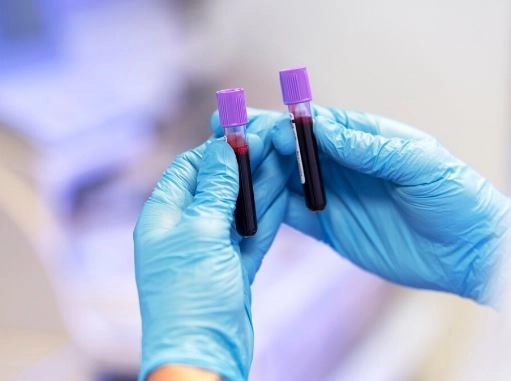
A blood sample is usually drawn from the patient’s arm using a needle. Specialized laboratory equipment, such as a blood cell counter or spectrophotometer, is used to determine the vancomycin level in the blood.
Yes, certain medications can influence vancomycin levels in the blood. For example:
Diuretics can increase the risk of kidney toxicity.
Immunosuppressive drugs or other antibiotics can affect the absorption of vancomycin.
It is important to inform the doctor about all medications being taken to adjust the dose if necessary.
Yes, health conditions such as kidney failure or ear problems can affect how the body responds to vancomycin. The patient should be closely monitored, especially if they have any chronic health conditions.
Yes, it may be necessary to perform this test multiple times, especially if the patient is receiving long-term or high-dose vancomycin therapy. This helps ensure that the vancomycin levels remain stable.
If levels are too low: The doctor may need to increase the dosage to ensure effective treatment.
If levels are too high: The dosage may need to be reduced to avoid side effects like kidney or hearing toxicity.
It is best to monitor vancomycin levels regularly to ensure the treatment is working effectively and safely. This is achieved through blood testing to adjust the dose accurately.
Vancomycin level testing helps ensure that the drug's concentration in the blood is within the therapeutic range to avoid side effects and ensure effective treatment. The test type depends on the timing of the sample collection and the treatment goals. Here are the two main types of tests:
Vancomycin Level Test - Trough Level:
Definition: The vancomycin level in the blood is measured before administering the next dose.
Goal: To ensure the drug level is neither too low nor too high.
Timing: The sample is usually collected just before the next dose is given.
Ideal Values: Between 10 to 20 µg/mL. If it’s less than 10 µg/mL, the dose may need to be increased.
Vancomycin Level Test - Peak Level:
Definition: The vancomycin level in the blood is measured after administering the dose.
Goal: To determine the highest drug concentration in the blood immediately after administration.
Timing: Typically 30 to 60 minutes after the dose is given.
Ideal Values: Between 30 to 40 µg/mL. If it exceeds 40 µg/mL, it may lead to kidney or hearing toxicity.
The vancomycin level test is performed to ensure effective treatment while minimizing side effects. Key reasons include:
Monitoring patients receiving vancomycin therapy: Used to treat severe infections like MRSA.
Adjusting the dose precisely to ensure effectiveness without causing toxicity.
ICU patients: To ensure the ideal dose in critical cases, such as infective endocarditis or osteomyelitis.
Patients with kidney issues: Testing to avoid drug accumulation in patients with impaired kidney function.
Patients receiving high doses or long-term therapy: Monitoring is essential for patients undergoing prolonged therapy or those on higher doses, such as for infective endocarditis.
Monitoring complex drug interactions: To ensure vancomycin's efficacy and avoid negative interactions with other medications.
Managing resistant infections: Ensuring vancomycin levels are adequate to combat resistant bacteria.
Monitoring side effects: To determine if the dosage is too high and adjust it to reduce risks.
The test is performed to measure the concentration of vancomycin in the blood, ensuring the right dose and effective treatment. Here are the conditions to consider:
Test preparation:
No fasting required: Typically, fasting is not required, but it’s advisable to follow the doctor’s instructions regarding the timing of the sample collection.
Timing of the sample:
Trough level sample: Taken before administering the next dose when the drug level is at its lowest.
Peak level sample: In some cases, taken shortly after the dose to determine the highest level of vancomycin in the blood.
Informing the doctor about other medications:
The doctor must be aware of any other medications the patient is taking, as they may affect vancomycin levels.
Monitoring health status:
Patients with kidney or liver issues should be monitored more carefully, as these conditions affect how the body processes vancomycin.
Ensuring correct dosing:
Verify that the prescribed dose is documented in the medical records for accurate interpretation of the results.
Monitoring kidney function:
Vancomycin is excreted through the kidneys, so patients with kidney problems should have their dose adjusted accordingly.
Reporting adverse reactions:
If any side effects occur, such as a rash, dizziness, or hearing or kidney problems, they should be reported to the doctor, as these may indicate an imbalance in the drug's level.
This testing ensures that vancomycin therapy is safe, effective, and adjusted according to the patient's needs.
Vancomycin level testing is performed to ensure that the concentration of the drug in the blood remains within the desired therapeutic range. This helps prevent complications that may arise from inappropriate dosing.
Adjusting the therapeutic dose:
The test ensures that vancomycin levels in the blood are neither too high nor too low, guaranteeing both the effectiveness and safety of the drug.
Preventing kidney toxicity:
Vancomycin can cause toxic effects on the kidneys if its levels in the blood are excessively high. The test helps avoid these risks.
Monitoring ICU patients:
Patients suffering from severe infections are monitored using vancomycin to ensure the optimal dose is being administered for infection control.
Evaluating the effectiveness of treatment:
If an infection does not improve or if undesirable side effects appear, the test helps determine whether the dosage needs adjustment.
Patients with kidney disease or other health issues:
Since vancomycin is primarily excreted through the kidneys, dose adjustment is required for patients with impaired kidney function to avoid drug accumulation.
Detecting side effects and optimizing treatment:
The test helps identify unexpected side effects like hearing issues or kidney dysfunction, prompting necessary adjustments to treatment.
The goal of vancomycin level testing is to determine the drug concentration in the blood to ensure that the patient receives the appropriate dose for effective infection treatment while avoiding side effects. The results are interpreted based on the concentration of the drug in the blood, which can fall into ideal, low, or excessively high categories.
Vancomycin requires careful monitoring of blood concentrations to ensure treatment effectiveness and prevent toxicity. Here’s how to interpret the results:
A. Therapeutic Range:
Goal: Maintain vancomycin levels in the blood within the therapeutic range to ensure treatment effectiveness and avoid toxicity.
Trough Level (Before the next dose): 10 - 20 µg/mL
Peak Level (After the dose): 30 - 40 µg/mL
Interpretation: If the result falls within this range, the treatment is effective, and the dose is helping to treat the infection without causing toxic effects.
B. Very Low Levels (Subtherapeutic Level):
Low Reading: If vancomycin levels are below 10 µg/mL before the dose or below 30 µg/mL after the dose, it indicates the dose is insufficient.
Interpretation: If the result is low, it means the drug is not effective enough to combat the infection. An increased dose or adjustment in dosing intervals may be necessary to reach the required blood concentration.
C. Very High Levels (Toxic Level):
High Reading: If vancomycin levels are above 20 µg/mL before the dose or above 40 µg/mL after the dose, it indicates a risk of toxicity.
Interpretation: If the result is excessively high, the patient may experience toxic effects such as nephrotoxicity (kidney toxicity) or ototoxicity (hearing toxicity). In such cases, the dose should be reduced, or treatment should be adjusted to prevent severe health complications.
A. Patients with Kidney Impairment:
Since vancomycin is primarily excreted by the kidneys, in patients with kidney problems, the drug may accumulate in the blood. Regular monitoring of vancomycin levels is required to adjust the dosage and prevent kidney toxicity.
B. Patients with Ear Problems:
Ototoxicity (hearing toxicity) can occur when vancomycin levels are excessively high. Patients receiving high doses or long-term treatment should be monitored to avoid hearing damage.
C. Patients on Other Medications:
Certain drugs, such as diuretics or antifungals, can influence vancomycin blood levels. Regular testing is essential to maintain drug levels in the blood and avoid negative interactions.
Trough Level (Before the next dose):
Minimum Effective Level: 10 µg/mL
Maximum Recommended Level: 20 µg/mL
Peak Level (After the dose):
Minimum Effective Level: 30 µg/mL
Maximum Recommended Level: 40 µg/mL
Level within the Therapeutic Range: If the test results fall within the therapeutic range, the treatment is effective, and there is no need to adjust the dose.
Very Low Level: If the level is too low, the dose may need to be increased, or the timing of doses may need to be adjusted to achieve the desired therapeutic effect.
Very High Level: If the level is too high, the dose should be reduced to prevent risks such as nephrotoxicity or ototoxicity.