

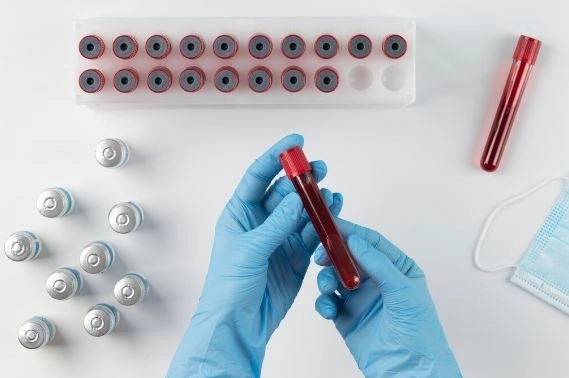
This simple test can be a key tool for understanding how your body uses fat and energy—especially if you have health conditions such as diabetes or follow strict or extreme diets.Proper preparation for this test and a clear understanding of its results can help you maintain better health and avoid potential future complications. In this Dalili Medical article, we’ll cover everything you need to know about preparing for the test, what to expect afterward, how to interpret the results, and when those results may indicate a health risk.
A ketone test is used to measure the level of ketones in the blood or urine. Ketones are substances produced when the body starts using fat instead of carbohydrates as a source of energy. High ketone levels may indicate certain health conditions, such as diabetes or extreme/strict dieting.
Ketones are molecules produced in the liver when the body does not have enough carbohydrates and begins burning fat for energy. This can happen during diets such as the ketogenic diet or in medical conditions like poorly controlled diabetes.
If you have diabetes, ketone testing should be done regularly, especially if you are at risk of high ketone levels. Testing is recommended when:
Blood sugar levels are high (above 250 mg/dL)
You experience symptoms suggestive of diabetic ketoacidosis
Yes. Ketones can be tested at home using urine ketone test strips. This method is simple and quick and is commonly used by people following a keto diet or individuals with diabetes.
Yes. Illness or intense physical exercise can increase ketone levels in the blood or urine. During stress or physical strain, the body may switch to burning fat instead of carbohydrates for energy.
Yes. Regular ketone monitoring is important for people with diabetes, especially in the following situations:
Blood sugar levels above 250 mg/dL
Severe fatigue or nausea
During illness or infection
High ketone levels may indicate diabetic ketoacidosis (DKA), a serious condition that requires urgent medical attention. Home ketone testing makes monitoring easier.
Yes. Some medications can increase or decrease ketone levels, such as:
Insulin: helps lower ketone levels
Diuretics: may increase ketone levels
Some newer diabetes medications
It’s important to inform your doctor about all medications and supplements before testing.
Yes. Severe stress or physical exhaustion can cause a temporary rise in ketone levels because the body starts burning fat as an alternative energy source during psychological or physical stress.
Ketones themselves do not usually cause symptoms, but very high levels can lead to serious health problems, including:
Nausea and vomiting
Extreme fatigue
Excessive thirst
Breathing difficulties
High results should never be ignored.
Yes. If you are being treated for diabetes or have previously had high ketone levels, regular monitoring helps:
Ensure treatment effectiveness
Prevent complications
Maintain safe blood sugar and ketone levels
Inform your doctor about any medications you take
Fasting for 8–12 hours may be required in some cases
Drinking water is allowed
Blood is drawn from a vein in the arm
The procedure takes only a few minutes
You may feel a slight needle prick
The sample is sent to the laboratory
Ketone levels are measured using precise equipment
Results appear within hours to two days
Low levels are normal
High levels may indicate ketosis or ketoacidosis
The doctor explains the results
Additional tests, such as blood glucose, may be requested
An appropriate treatment plan is determined
A blood ketone test helps assess the body’s metabolic state and determines whether fat is being burned instead of glucose. This can be normal in some cases and dangerous in others.
Detecting diabetic ketoacidosis (DKA):
When insulin is insufficient, glucose cannot be used for energy. The body burns fat instead, increasing ketone levels. Severe elevation can cause DKA.
✅ Early detection helps prevent serious complications such as coma.
Type 1 diabetes monitoring:
People with type 1 diabetes are more prone to high ketone levels. Testing helps adjust insulin doses and monitor health.
Ketosis occurs when the body relies on fat for energy, such as during the keto diet or low-carb intake.
✅ Testing ensures ketosis remains within a safe range and does not become harmful.
High ketone levels may indicate metabolic problems, such as:
Impaired fat metabolism
Nutrient absorption disorders
✅ The test helps pinpoint the exact cause.
Severe dieting or long fasting periods reduce blood sugar levels, leading the body to burn fat and raise ketones.
✅ Testing ensures ketone levels do not reach dangerous levels.
Such as:
Sudden loss of consciousness
Extreme unexplained fatigue
✅ Ketone testing helps identify the cause quickly and confirm or rule out DKA.
Some chemotherapy drugs affect metabolism and may increase ketone levels.
✅ Testing helps ensure patient safety and monitor nutritional status.
Alcohol poisoning or exposure to certain toxins can raise ketone levels.
✅ Ketone testing assists in rapid diagnosis and appropriate treatment.
Problems with the thyroid or parathyroid glands can affect metabolism and ketone levels.
✅ Testing helps monitor the impact of these disorders and guide treatment.
Your doctor will decide whether the test is necessary based on symptoms and medical history.
✅ Helps determine:
The cause of elevated ketones
Whether repeated testing is needed
In some cases, fasting for 8–12 hours may be required. Water is allowed.
✅ Fasting helps ensure accurate results.
Some medications and supplements affect ketone levels.
✅ The doctor may:
Temporarily stop a medication
Adjust the dose
It’s best to do the test when you are stable. Fever or infections can temporarily raise ketones.
Keeping blood sugar as stable as possible improves test accuracy.
Heavy exercise before the test can temporarily increase ketone levels.
Arriving on time and following instructions is essential for accurate results.
✅ Any delay or deviation may affect test accuracy.
Drink plenty of water before the test.
Dehydration can alter ketone test results.
✅ Proper hydration helps to:
Improve test accuracy
Make blood sample collection easier
Many people—especially those with diabetes or following a keto diet—get confused between urine ketone testing and blood ketone testing. Each test has its own use and accuracy level. Here’s a simple comparison:
| Criterion | Home Urine Ketone Test | Blood Ketone Test |
|---|---|---|
| Test method | Test strip dipped in urine | Blood sample or finger prick with a special device |
| Location | Easy to do at home | Laboratory, clinic, or medical device |
| Time required | 1–2 minutes | Minutes to hours (depending on method) |
| Accuracy | Approximate result | Very accurate |
| Result type | Positive/negative or general levels | Exact value in mmol/L |
| Quantitative value | No precise number | Provides precise ketone value |
| Main use | General ketone monitoring | Diagnosis and monitoring of serious conditions |
| Result interpretation | May need medical advice | Interpreted directly by a doctor |
| External factors | Affected by hydration and food | Less affected by external factors |
| Ease of use | Very easy and widely available | Requires lab or specialized device |
| Cost | Relatively inexpensive | Higher cost |
| Best use | Daily monitoring (diabetes, keto diet) | Emergencies, suspected ketoacidosis |
| Who performs it | The individual | Healthcare professional or medical device |
Urine ketone test:
Suitable for daily monitoring
Easy and low-cost
Less accurate
Blood ketone test:
More accurate and faster at detecting danger
Essential in emergencies
Very important for people with type 1 diabetes
Low to moderate ketone levels are often normal and do not always indicate a health problem. Common causes include:
Adequate carbohydrate intake allows the body to use glucose as its main energy source.
✅ Result: Low or moderate ketone levels—completely normal.
Partial fat burning occurs.
✅ Result: Slight rise in ketones, not high.
Burns both glucose and fat.
✅ Result: Mild to moderate ketone levels.
Such as a cold or psychological/physical stress.
✅ Result: Temporary, slight increase in ketones.
The body is transitioning to fat burning.
✅ Result: Moderate ketone levels until adaptation occurs.
Some diabetes or cholesterol medications, and certain supplements.
⚠️ Always inform your doctor before interpreting results.
Fasting for a few hours or skipping meals.
✅ Result: Partial fat burning → moderate ketones.
Menstrual cycle, pregnancy, or temporary hormonal changes.
✅ Result: Mild changes in energy metabolism and ketone levels.
A state between normal metabolism and full ketosis, without serious symptoms.
✅ Result: Slightly elevated but not concerning ketone levels.
Balanced diet
Moderate exercise
Early keto diet
Short-term fasting
Ketones rise along with high blood sugar
Symptoms such as vomiting, dizziness, or extreme fatigue
➡️ Seek medical advice immediately.
Blood ketone levels are measured in millimoles per liter (mmol/L).
| Ketone Level (mmol/L) | Interpretation |
|---|---|
| Less than 0.6 | Normal / Negative |
| 0.6 – 1.5 | Low to moderate |
| 1.6 – 3.0 | High (repeat test in 2–4 hours) |
| Above 3.0 | Severe elevation ⚠️ Seek medical attention immediately |
High blood ketones may indicate a serious health issue, especially if accompanied by symptoms or high blood glucose.
Occurs with uncontrolled diabetes and insulin deficiency.
A medical emergency requiring urgent treatment.
Low glucose availability leads to fat breakdown and ketone production.
Common in diabetes when treatment is irregular.
Caused by excessive alcohol intake with poor nutrition.
A serious condition requiring immediate care.
Not all high ketone levels are related to diabetes. Other causes include:
Low-carbohydrate or ketogenic diets
Eating disorders
Persistent vomiting
Alcohol dependence
Doctors often compare ketone levels with blood glucose for accurate diagnosis.
Normal blood glucose (non-diabetic):
Fasting: 70–100 mg/dL
2 hours after meals: ≤140 mg/dL
⚠️ High ketones + high blood sugar = higher risk and requires urgent evaluation.
1️⃣ Uncontrolled diabetes (insulin deficiency or resistance)
2️⃣ Fasting or low-carbohydrate diets
3️⃣ Intense physical exercise (temporary increase)
4️⃣ Severe stress or illness (fever, acute disease)
5️⃣ Alcoholic ketoacidosis
6️⃣ Severe trauma or injuries
7️⃣ Rare metabolic disorders
8️⃣ Hyperparathyroidism (increased metabolic rate)